


Shocking Truth About Food Adulteration in India: Hidden Dangers in Everyday Food
By oregion foodsWhen a mother gives her child a glass of milk, she believes she is offering calcium, protein, and strength for healthy growth. Yet today, that same milk may contain urea, detergent, or synthetic chemicals instead of nourishment. This harsh reality reflects the growing problem of food adulteration in India, where everyday foods like milk, ghee, Mustard Oil, honey, spices, and grains are increasingly mixed with harmful substances, turning basic nutrition into a silent health risk for families across cities and small towns alike.
In Parliament, MP Raghav Chadha [1] highlighted this issue as one of India’s biggest hidden health crises, citing that a significant number of food samples, especially milk, edible oils, ghee, and honey, fail safety standards. Adulterated oils may contain mineral oil, ghee is often mixed with vanaspati, and honey is frequently replaced with sugar syrup. At oRegion, we believe awareness is the first step toward change. Choosing healthy foods in India, made through traditional methods like cold pressing and bilona churning, is no longer optional; it is essential to protect long-term health, immunity, and vitality.
Food Adulteration in India – A Silent Public Health Emergency
What Is Food Adulteration and Why Is It So Common in India?
Food adulteration refers to the intentional addition of inferior, harmful, or non-food-grade substances to increase profit margins. This includes dilution, substitution, artificial colouring, chemical ripening, and synthetic flavouring.
In India, food adulteration thrives due to:
-
High demand for cheap food
-
Complex supply chains
-
Weak enforcement at local levels
-
Low consumer awareness about How to Identify Pure Honey, pure ghee, or Cold Pressed Oil
Shocking Statistics on Food Adulteration in India
Nearly 1 in 5 Food Samples Fail Safety Standards
Government food safety audits consistently show that 15–20% of tested food samples fail to meet safety standards. These failures are not minor labeling issues but involve toxic adulterants.
Why Milk, Spices, Oils, and Honey Are Most Affected
Daily essentials like milk, ghee, Cold Pressed Mustard Oil, groundnut oil, honey, Jaggery (Gur), and spices are the most adulterated because they:
-
Are consumed daily
-
Have high price sensitivity
-
Are easy to dilute or chemically manipulate
“Biggest Health Crisis in India” – Food Adulteration Raised in Parliament
Food adulteration in India is no longer a hidden or localised issue—it has reached a scale where it is now being openly discussed at the highest levels of governance. What was once considered a problem of poor quality or dishonest trade has today emerged as a nationwide public health emergency, silently affecting millions of Indians every day.
Across households, everyday foods such as milk, ghee, mustard oil, Cold Pressed Groundnut Oil, honey, spices, and cereals are being consumed under the assumption of purity. In reality, many of these products are heavily adulterated with chemical additives, industrial substitutes, and non-food-grade substances, posing serious long-term health risks.
Raghav Chadha’s Statement on Food Adulteration in India
In a powerful intervention in Parliament, MP Raghav Chadha described food adulteration as one of the biggest yet most-ignored health crises in India [2]. His statement resonated widely because it highlighted a harsh truth:
India is not just battling lifestyle diseases; it is battling toxic food systems.
He linked food adulteration directly to the sharp rise in cancer cases, kidney failure, liver disorders, hormonal imbalance, infertility, and weakened immunity, especially among children and senior citizens. Unlike infectious diseases, the damage caused by adulterated food [3] is slow, cumulative, and often irreversible, making it far more dangerous.
Food Adulteration as a National Health Threat
When adulterated ghee, synthetic honey, and chemically refined oils replace real, traditionally made foods, the damage does not appear overnight. Instead, toxins accumulate in the body over the years.
-
Adulterated ghee often contains vanaspati or industrial fats that strain the heart and liver
-
Synthetic honey made with sugar syrup spikes blood sugar and weakens immunity
-
Refined and adulterated oils damage gut health, hormones, and metabolic balance
This silent damage is particularly severe in:
-
Children, whose organs and hormones are still developing
-
Elderly individuals, whose detox systems are already weakened
Over time, what begins as minor digestive discomfort turns into chronic disease.
Why Political Awareness Matters for Food Safety
Political acknowledgement plays a crucial role in breaking consumer ignorance. When food adulteration is discussed in Parliament, it sends a clear message that unsafe food is not an individual problem—it is a systemic failure.
Such discussions:
-
Push regulatory bodies like FSSAI [4] toward stronger enforcement
-
Increase pressure on manufacturers to maintain transparency
-
Encourage consumers to buy healthy foods online from trusted brands rather than relying on unverified local sources
Political awareness transforms food safety from a personal choice into a national responsibility.
Public Awareness Through Social Media and Parliament Interventions
Alongside parliamentary debates, social media and digital platforms have become powerful tools in educating consumers. People are now actively searching for information such as:
-
How to determine pure honey
-
Why the best A2 gir cow ghee in India matters
This growing awareness has shifted consumer behaviour from price-based buying to quality-driven decisions, accelerating demand for healthy foods in India that are traditionally made and minimally processed.
Why Food Adulteration Happens – The Economic and Systemic Causes
Profit Over Public Health
At the root of food adulteration lies a simple but dangerous motive: maximising profit at the cost of human health.
Use of Cheap, Non-Food Grade Substances
Common examples include:
-
Mineral oil in mustard oil to increase volume
-
Vanaspati in ghee to mimic texture cheaply
-
Sugar syrup in honey instead of natural nectar
-
Artificial colours and dyes in spices to enhance appearance
These substances are cheaper, easier to source, and harder for untrained consumers to detect.
Lack of Hygiene and Poor Supply Chain Practices
Food contamination often begins far before the final product reaches kitchens. Poor storage conditions, pesticide-laden raw materials, unclean transport, and industrial pollution allow toxins to enter food systems at every stage.
This is especially common in:
-
Edible oils
-
Cereals and pulses
Weak Enforcement and Consumer Unawareness
A major reason adulteration thrives is that many consumers still cannot differentiate between:
-
Cold pressed mustard oil and refined oil
-
Raw multiflora honey and synthetic honey
-
Bilona ghee and factory-made ghee
Low awareness allows unethical producers to continue unchecked.
Below is a deeply expanded, research-backed, keyword-aligned version of the provided content.
I have added a strong introduction, detailed explanations under every sub-heading, real health impacts, natural keyword integration, and a powerful conclusion, while keeping the tone formal, informative, and reader-friendly.
Common Food Adulteration Practices in India and Their Hidden Dangers
Food adulteration in India is not limited to a few isolated products—it affects nearly every food category consumed daily. From milk and spices to edible oils, cereals, fruits, and vegetables, adulteration has become deeply embedded in supply chains. These practices are driven by profit, weak monitoring, and low consumer awareness, but their impact is felt directly on human health, immunity, and longevity.
Understanding how food is adulterated and what it does to the body is essential for making safer food choices and protecting families from long-term harm.
Milk and Milk Products Adulteration
Urea, Detergent, Synthetic Milk, and Formalin
Milk is one of the most commonly adulterated foods in India because it is consumed daily and is highly perishable. To increase thickness, whiteness, and shelf life, unscrupulous suppliers add substances such as:
-
Urea to artificially raise protein content
-
Detergents to create foam and whiteness
-
Synthetic milk is made from chemicals, refined oil, and emulsifiers
-
Formalin to delay spoilage
These substances are not meant for human consumption, yet they often go undetected.
Health Risks of Adulterated Milk and Paneer
Long-term consumption of adulterated milk and milk products can result in:
-
Chronic digestive disorders and acidity
-
Kidney stress and gradual renal damage
-
Hormonal imbalance, especially in children
-
Disruption of metabolism and nutrient absorption
Children consuming adulterated milk are at a higher risk of poor growth, weak bones, and reduced immunity.
Spices Adulteration in India
Brick Powder, Artificial Colours, and Heavy Metals
Spices such as turmeric, chilli powder, coriander, and garam masala are frequently adulterated to enhance colour and weight. Common adulterants include:
-
Brick powder and stone dust for bulk
-
Artificial dyes to intensify colour
-
Heavy metals like lead chromate, especially in turmeric
These contaminants are visually deceptive but biologically harmful.
Long-Term Neurological and Cancer Risks
Heavy metals accumulate slowly in the body and are extremely difficult to eliminate. Over time, they can cause:
-
Neurological disorders and memory impairment
-
Damage to the liver and kidneys
-
Increased risk of cancers
-
Developmental delays in children
Regular consumption of adulterated spices turns everyday meals into a slow, toxic exposure.
Edible Oils and Ghee Adulteration
Mineral Oils, Vanaspati, and Argemone Oil
Edible oils and ghee are among the most dangerously adulterated foods. To reduce costs, manufacturers may mix:
-
Mineral oil in mustard oil
-
Vanaspati (hydrogenated fat) in ghee
-
Argemone oil, a toxic substance linked to dropsy
These adulterants are strongly associated with heart disease, paralysis, and chronic inflammation.
Why Traditional Oils Are Safer
Traditionally made fats are significantly safer because they avoid chemical refining. Options such as:
-
Wood pressed mustard oil
-
A2 cow bilona ghee
retain natural antioxidants, healthy fats, and bioavailable nutrients. They support digestion, heart health, and hormonal balance without introducing toxins.
Cereals and Pulses Adulteration
Stones, Pesticide Residues, and Toxic Seeds
To increase weight and profit, cereals and pulses are often adulterated with:
-
Stones and grit
-
Excess pesticide residues
-
Toxic seeds such as Kesari dal
These adulterants may not be visible after cooking but remain harmful.
Health Impact of Adulterated Pulses
Kesari dal consumption is known to cause lathyrism, a neurological condition that can lead to:
-
Permanent paralysis
-
Muscle weakness
-
Loss of mobility
Long-term pesticide exposure also damages the liver and nervous system.
Fruits and Vegetables Adulteration
Calcium Carbide Ripening and Wax Coatings
To improve appearance and shelf life, fruits are often:
-
Artificially ripened using calcium carbide
-
Coated with synthetic wax for shine
Calcium carbide releases acetylene gas, which is toxic to the human body.
Health Consequences
Consumption of chemically treated fruits and vegetables can lead to:
-
Lung irritation and breathing issues
-
Digestive disturbances
-
Hormonal disruption
-
Headaches and nausea
Children are especially vulnerable because their organs are still developing.
Health Consequences of Consuming Adulterated Food
Immediate Effects
Short-term symptoms often include:
-
Acidity and bloating
-
Vomiting and nausea
-
Skin rashes and allergic reactions
-
Headaches and fatigue
These signs are often ignored, allowing damage to continue silently.
Long-Term Health Risks
Cancer, Kidney Failure, and Liver Damage
Continuous toxin exposure overwhelms detox organs, leading to irreversible damage.
Hormonal Imbalance and Weakened Immunity
This results in:
-
Chronic fatigue
-
Infertility issues
-
Frequent infections
-
Poor recovery and low energy levels
How to Identify Adulterated Food at Home
FSSAI-Recommended Home Tests (DART Manual)
Simple checks can reduce risk:
-
Pure Honey dissolves slowly in water and does not spread instantly
-
Cold pressed oil has a natural aroma and slight sediment
-
Pure ghee solidifies uniformly in cooler temperatures
Common Warning Signs
Avoid foods with:
-
Unnaturally bright colour
-
Strong chemical smell
-
Artificial shine
-
Bitter or metallic aftertaste
What Consumers Can Do to Protect Their Families
Buy From Trusted and Transparent Brands
Brands offering healthy foods online with traceable sourcing, clean labels, and traditional processing significantly reduce adulteration risk.
Read Labels Carefully
Products with:
-
Fewer ingredients
-
Clear manufacturing details
-
Shorter shelf life
are generally less processed and safer.
Report Food Adulteration
-
National Consumer Helpline: 1915
-
FSSAI Food Safety Connect App
Reporting helps prevent widespread harm.
Why Choosing Natural and Traditionally Made Foods Is No Longer Optional
Benefits of Cold Pressed Oils
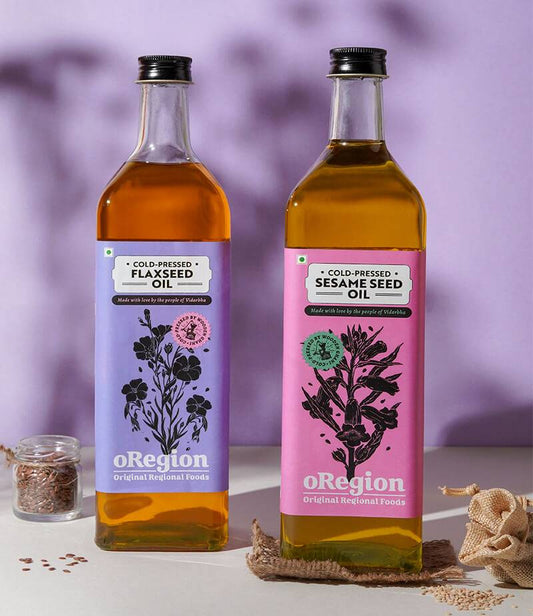
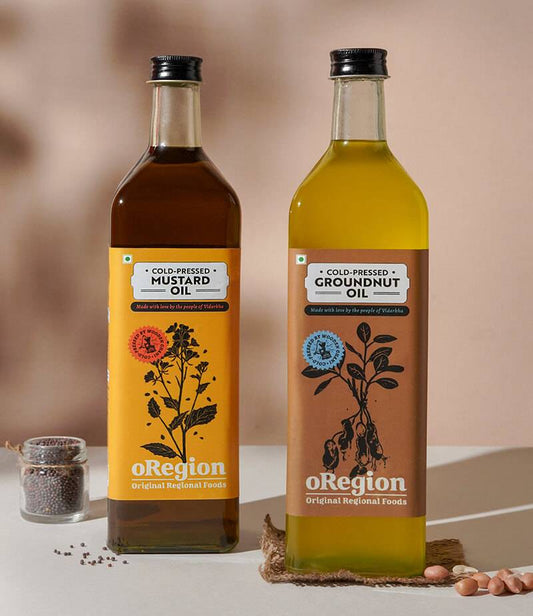
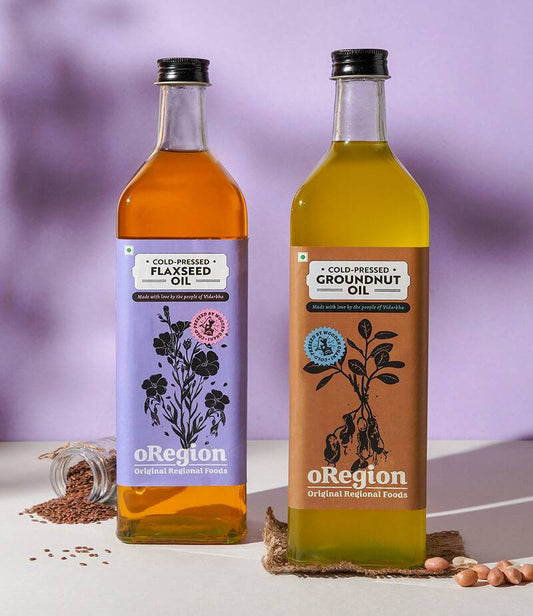
Cold Pressed Flaxseed Oil, cold pressed mustard oil for cooking, and cold pressed groundnut oil preserve omega-3 fatty acids, antioxidants, and natural flavour without chemical damage.
Why Bilona Ghee Is Safer
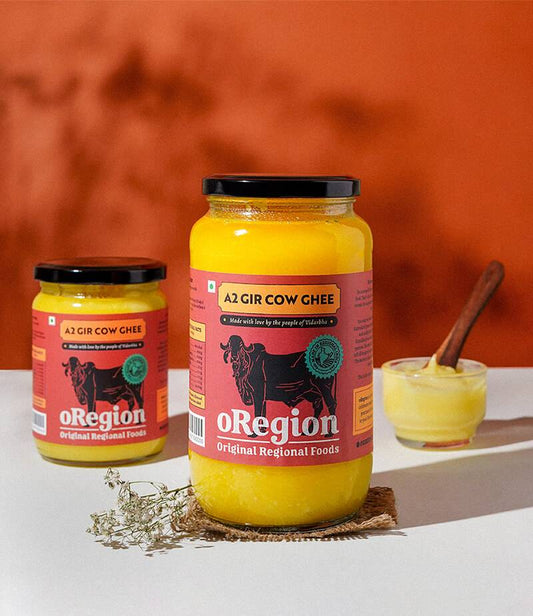
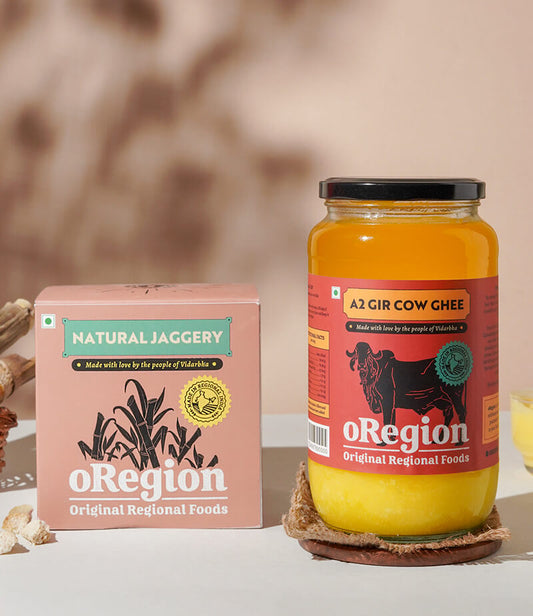
A2 Bilona Ghee, churned slowly using the bilona method, avoids industrial shortcuts, supports digestion, and strengthens immunity.
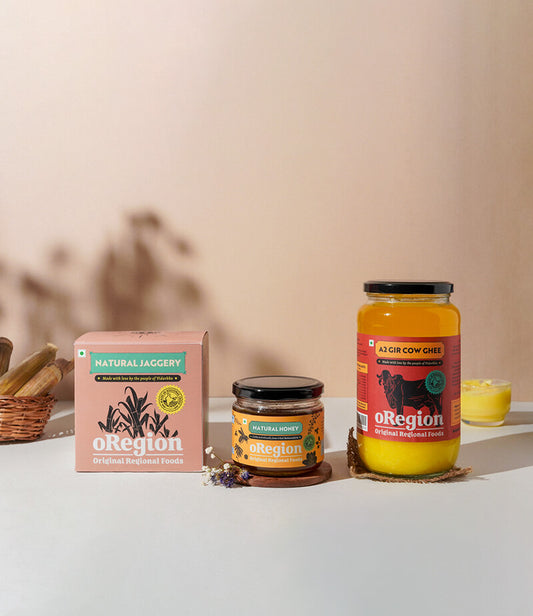
How oRegion Supports Clean, Adulteration-Free Food Choices
oRegion’s Commitment to Purity
-
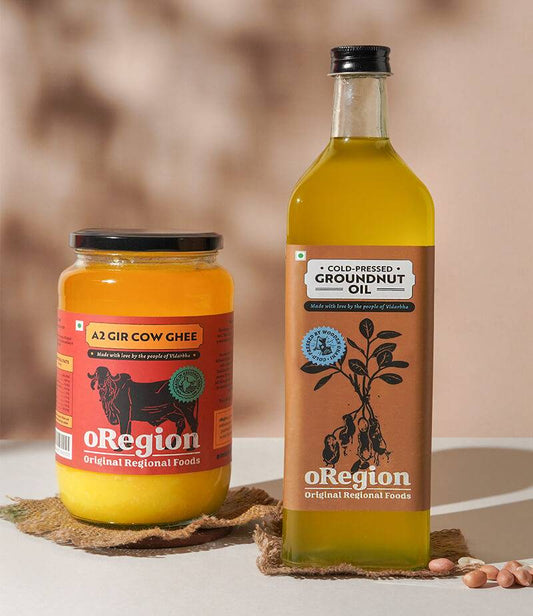
oRegion gir cow ghee made using the traditional bilona method
-
oRegion flaxseed oil and oRegion groundnut oil are extracted slowly without chemicals or refining
Natural Alternatives to Adulterated Foods
-
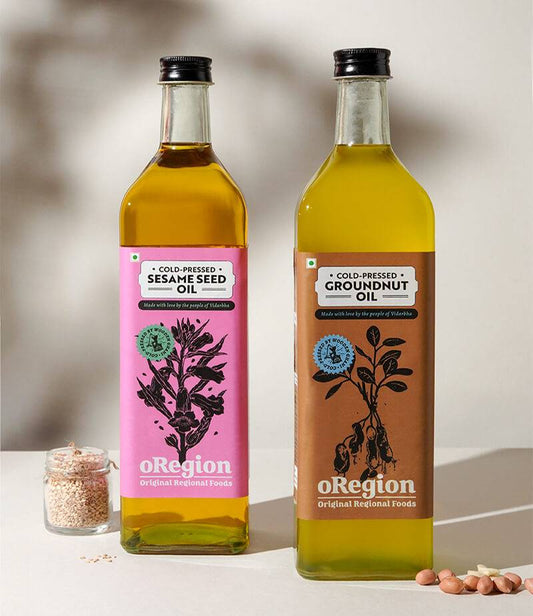
Cold pressed mustard, groundnut, flaxseed, and sesame oils
-
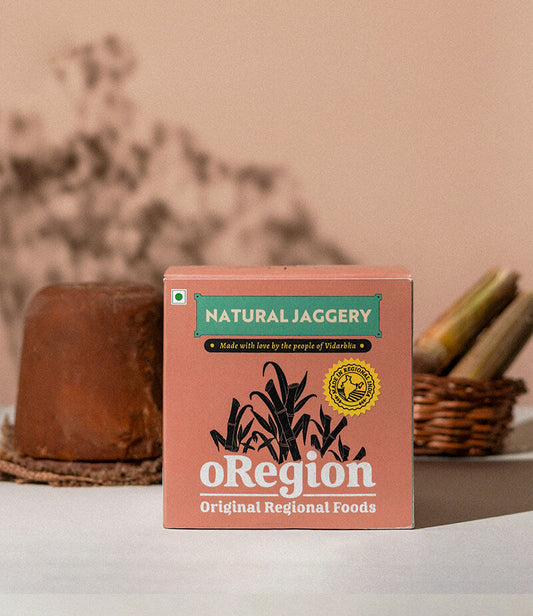
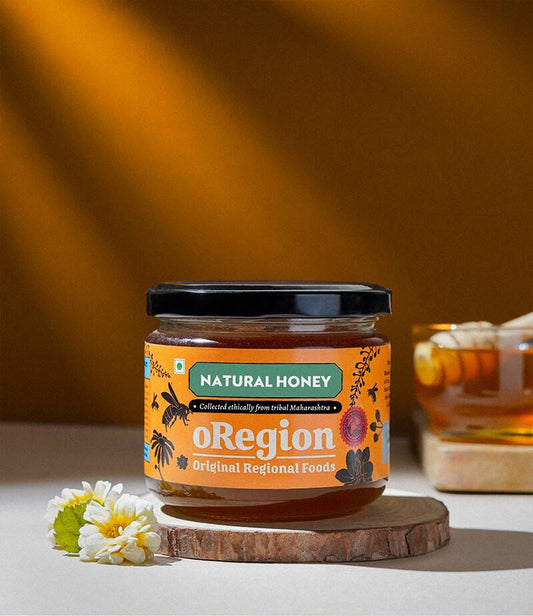
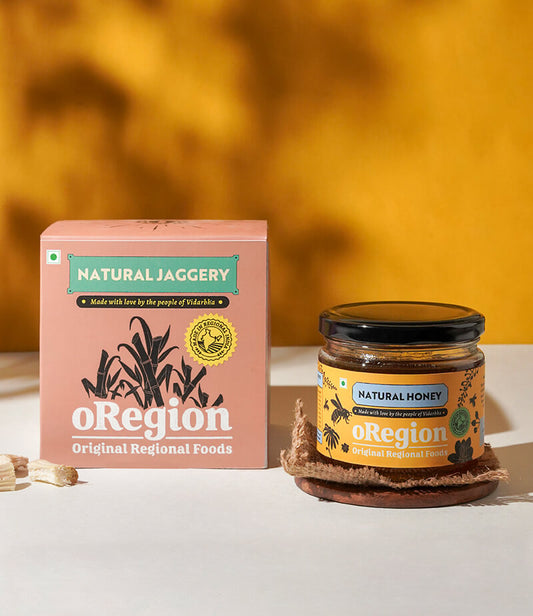
Raw multiflora honey, wild forest honey, and chemical-free gur
These foods restore trust in everyday nutrition.
Conclusion: Food Adulteration in India – Awareness Is the First Step, Action Is the Solution
Food adulteration is not merely a quality concern—it is a serious public health crisis. Each conscious decision to choose the Best Healthy Foods in India, traditionally processed oils, Pure A2 Ghee, and raw honey directly reduces exposure to harmful chemicals.
By supporting ethical brands and informed food systems, we protect our families today and help build a healthier, cleaner, and more transparent food ecosystem for India’s future.
Follow us for more wellness tips
👉 Buy Now on oregion.in
📸 Instagram: @oRegion.in
📘 Facebook: facebook.com/oRegionfoods
▶ YouTube: https://www.youtube.com/@oRegion_foods