


India's oil consumption doubled As per NITI Aayog Data : Are We Eating Too Much Fat?
By oregion foodsIndia’s food habits are changing faster than ever. According to NITI Aayog data [1], India’s per capita edible oil consumption has nearly doubled, rising from around 8–9 kg per person per year in the early 2000s to almost 19–20 kg today. At first glance, this looks like prosperity, better access to food, higher calorie intake, and modern lifestyles. But when we look deeper, the real concern is not just how much oil we are consuming, but what kind of oil we are consuming.
At oRegion, we believe India does not need more oil. India needs better oil that nourishes the body instead of silently damaging it.
Understanding India’s Rising Edible Oil Consumption Through NITI Aayog Data
What Does NITI Aayog Say About Per Capita Oil Consumption in India?
NITI Aayog highlights a clear dietary transition. Traditional Indian diets once relied on small amounts of natural fats such as Sarso Tel, Til Ka Tel, Groundnut Oil, and Alsi Ka Tel. Today, these are increasingly replaced by cheap refined oils, pushing daily fat intake beyond healthy limits.
Edible Oil Consumption Growth From 2001 to 2026 Explained
Between 2001 and 2026, India’s edible oil consumption curve has followed a steep upward trend. Rising incomes, urbanisation, and food delivery culture have increased dependence on refined oils like palm oil, soybean oil, rice bran oil, etc.
Why India’s Oil Intake Has Nearly Doubled in Two Decades
The reasons are simple:
-
Easy availability of low-cost refined oils
-
Explosion of fried, packaged, and outside food
-
Loss of traditional cooking wisdom
-
Marketing-driven perception that “all oils are the same.”
How Much Edible Oil Is Considered Healthy According to ICMR?
India’s rising lifestyle diseases have forced nutrition bodies to revisit fat consumption limits. The Indian Council of Medical Research (ICMR) [2] has consistently emphasised that fats are essential but only in controlled quantities and appropriate quality. Oils should support metabolism, not overload it.
Recommended Annual Edible Oil Intake for Indians
According to ICMR and National Institute of Nutrition (NIN) [3] guidelines, an average adult requires 20–30 grams of edible oil per day, depending on age, activity level, and metabolic health. This equals approximately 7–11 kilograms per year.
This recommendation already accounts for hidden fats naturally present in cereals, pulses, dairy, and nuts. Any intake beyond this range places unnecessary strain on digestion, liver function, and lipid metabolism.
Comparison Between Current Consumption and Health Guidelines
Current national data shows India’s per capita edible oil consumption has reached nearly 19–20 kg per year, which is almost double the safe upper limit. This gap is not theoretical it directly reflects in:
-
Rising central obesity
-
Increase in non-alcoholic fatty liver disease
-
Early-onset heart disease
-
Growing insulin resistance and diabetes
Excess oil is calorie-dense, providing 9 calories per gram, and when consumed daily in excess, it silently pushes total energy intake beyond what the body can burn.
Is Excess Oil Consumption More Dangerous Than Sugar Intake?
In many cases, yes. Sugar is visible and often consciously limited. Oil, however, is invisible, blended into gravies, snacks, restaurant foods, and packaged products.
Refined oils enter the diet repeatedly through:
-
Fried snacks
-
Processed foods
-
Reused restaurant oils
This chronic exposure creates long-term metabolic stress without triggering immediate satiety or warning signs.
Health Risks Linked to Excessive Oil Consumption in India
Impact of High Oil Intake on Obesity and Weight Gain
High oil intake increases energy density without increasing fullness. Unlike fibre or protein, fat does not slow eating speed or suppress appetite effectively. The result is passive overconsumption, leading to gradual but persistent weight gain, especially abdominal fat.
Role of Refined Oils in Heart Disease and Cholesterol
Refined oils undergo high heat, chemical solvents, bleaching, and deodorisation. This process:
-
Destroys natural antioxidants
-
Creates oxidised fatty acids
-
Promotes LDL cholesterol oxidation
Oxidised LDL is a primary contributor to arterial plaque formation, increasing the risk of heart attacks and strokes.
Connection Between Excess Oil and Type-II Diabetes
Excess fat intake, especially when omega-3 content is low, interferes with insulin signalling. This worsens insulin resistance, forcing the pancreas to work harder and accelerating the progression toward Type-II diabetes.
Why Processed and Fried Foods Increase Fat Load
Repeated heating of oil generates toxic lipid peroxides and aldehydes. These compounds:
-
Stress liver detox pathways
-
Increase systemic inflammation
-
Damage gut lining
The danger lies not only in quantity, but in thermal abuse of oil.
Dietary Shifts Driving Higher Oil Consumption
Urbanisation and Changing Cooking Habits
Urban households increasingly depend on:
-
Ready-to-cook meals
-
Food delivery platforms
-
Convenience foods
These foods rely heavily on refined oils for shelf life and taste enhancement.
Rise of Packaged, Fried, and Outside Food Culture
From street food to packaged snacks, most are cooked in low-cost refined oils reused multiple times, drastically increasing toxic fat intake.
Affordable Refined Oils vs Traditional Oils
Refined oils appear cheaper per litre, but the hidden health cost medical bills, reduced productivity, chronic illness is far higher.
Loss of Balance Between Quantity and Quality of Oil
Decline of Traditional Indian Cooking Practices
Traditional Indian kitchens used small quantities of nutrient-dense oils. That wisdom has been replaced by volume-driven cooking.
Quantity vs Quality – The Real Problem With Edible Oils
Why Eating Less Oil Is Not the Only Solution
Reducing the amount of oil alone does not solve the problem if the oil consumed lacks nutrition. Poor-quality oil forces the body to consume more to achieve satiety and flavour.
How Oil Quality Impacts Metabolism and Hormonal Health
Cold pressed oils retain:
-
Natural fatty acid ratios
-
Fat-soluble vitamins
-
Bioactive compounds
These support hormonal balance, especially thyroid and reproductive hormones.
Difference Between Refined Oils and Cold Pressed Oils
Refined oils are chemically stripped. Cold Pressed Oils preserve their natural structure, making them easier to digest and metabolise.
What Is Cold Pressed Oil and Why It Matters Today?
Cold Pressed Oil Meaning and Traditional Extraction Method
Cold pressed oil is extracted without external heat or chemicals, using mechanical pressure at low temperatures, preserving nutrition.
Cold Pressed Oil vs Refined Oil – Nutritional Comparison
Cold pressed oils naturally retain:
-
Antioxidants
-
Omega-3 and omega-6 balance
-
Original aroma and flavour
Cold Pressed Oil vs Wood Pressed Oil Explained

Cold pressed oil and wood pressed oil are often used interchangeably, but there is a subtle yet important distinction between the two.
Cold pressed oil refers to any oil extracted at low temperatures (typically below 40–45°C) using mechanical pressure, without chemical solvents or refining. This ensures minimal damage to fatty acids, vitamins, and antioxidants.
Wood Pressed Oil, also known as Chekku, Ghani, or Kolhu oil, is a traditional form of cold pressing. It uses a wooden churn rotated slowly often powered by animals or low-speed motors. The friction generated is extremely low, resulting in even gentler extraction compared to modern cold press machines.
While both methods avoid chemicals and high heat, wood pressing is slower, produces smaller batches, and retains maximum nutritional integrity. This is why wood pressed oils are often considered the purest form of edible oil, though they are naturally more expensive and have shorter shelf lives.
Read More: Cold pressed vs Wood pressed oil
Wood Pressed (Chekku/Ghani) Oil – Traditional Extraction Explained
In the wood pressed method, oilseeds are crushed gradually inside a wooden mortar using a pestle. This slow process allows oil to separate naturally without heating the seeds excessively.
Key characteristics of wood pressed oils include:
-
Minimal temperature rise during extraction
-
No metal contact that could accelerate oxidation
-
Preservation of natural aroma, flavor, and color
-
Higher retention of micronutrients
Traditional Indian systems valued this method because it aligned with human digestion and seasonal eating patterns, producing oils that nourished rather than overloaded the body.
Why Cold Pressed Oils Retain Natural Fatty Acids
Fatty acids especially polyunsaturated fats (PUFAs) are highly sensitive to heat, pressure, and chemical exposure. When oils are refined, these delicate structures are damaged or rearranged, reducing their biological usefulness.
Cold pressing preserves:
-
Original fatty acid configuration, ensuring proper metabolism
-
Balanced MUFA–PUFA ratios, suitable for daily consumption
-
Absence of trans fats, which form during high-heat processing
Because cold pressed oils are extracted gently, the fats remain in a form the body recognizes and uses efficiently. This is one reason why people often feel better satiety and digestion when switching from refined oils to cold pressed alternatives.
Role of Natural Antioxidants in Cold Pressed Oils
Natural antioxidants are the oil’s internal defense system. Compounds like vitamin E, sesamol, lignans, and polyphenols protect fats from oxidation during storage and cooking.
Cold pressed oils retain these antioxidants because:
-
No bleaching or deodorization removes them
-
No chemical solvents strip protective compounds
-
Low heat prevents antioxidant degradation
These antioxidants help:
-
Reduce oxidative stress in the body
-
Protect blood vessels and cell membranes
-
Lower inflammatory burden from dietary fats
Refined oils, on the other hand, lose most of these protective compounds, making the fat more vulnerable to oxidation both in the bottle and inside the human body.
Government Policy Response to India’s Oil Consumption Crisis
National Mission on Edible Oils – Key Objectives
The mission aims to:
-
Improve oilseed self-reliance
-
Reduce refined oil imports
-
Promote healthier consumption patterns
Reducing Import Dependence and Improving Oil Quality
India imports over 60% of its edible oils, mainly refined palm and soybean oils, impacting both health and economy.
Public Awareness Campaigns on Healthy Oil Consumption
India’s edible oil challenge is not limited to availability it is largely a knowledge gap. Public awareness campaigns play a critical role in correcting long-standing misconceptions such as “all oils are the same” or “more oil means better taste and nutrition.” Government agencies, nutrition institutions, and health bodies are increasingly recognising that oil literacy must become part of broader dietary education.
Effective awareness initiatives focus on:
-
Teaching recommended daily oil limits
-
Explaining the difference between refined and cold pressed oils
-
Highlighting the dangers of reused and overheated oils
-
Encouraging households to read labels and understand extraction methods
When consumers understand why oil quality matters, consumption patterns shift naturally without fear or restriction.
Atmanirbharta and Domestic Oilseed Production
India’s dependence on imported edible oils has both economic and health consequences. Over 60% of edible oils consumed in India are imported, largely refined palm, soybean, and sunflower oils. These oils dominate because of price, not nutrition.
The push toward Atmanirbharta (self-reliance) in oilseed production aims to:
-
Strengthen domestic cultivation of mustard, groundnut, sesame, and flax
-
Support small and marginal farmers
-
Reduce reliance on ultra-processed imports
-
Improve freshness and traceability of oils
A self-reliant oil economy is not just a trade goal it is a public health intervention.
Encouraging Traditional and Regional Oils
India historically consumed region-specific oils based on climate, crop availability, and cooking methods:
-
Mustard oil in North and East India
-
Groundnut oil in Western and Central regions
-
Sesame (Til) oil in the South
-
Flaxseed (Alsi) oil in colder and grain-based diets
These oils evolved with Indian physiology and cooking practices. Reintroducing them restores dietary balance, supports biodiversity, and reduces dependence on monoculture oil systems.
Why Cold Pressed Oils Align With India’s Public Health Goals

Lower Processing, Higher Nutrition
Cold pressed oils undergo minimal mechanical extraction, without chemical solvents or high heat. This preserves:
-
Natural antioxidants
-
Fat-soluble vitamins
-
Original fatty acid structure
Lower processing means lower metabolic stress on the body.
Balanced Fat Profile for Indian Diets
Traditional cold pressed oils naturally offer a balanced ratio of omega-6 and omega-3 fats, unlike refined seed oils that skew heavily toward omega-6, promoting inflammation.
Support for Local Farmers and Oilseed Economy
Cold pressed oil production encourages:
-
Local oilseed cultivation
-
Small-scale processing units
-
Fair farmer pricing
This links nutrition, rural economy, and sustainability.
Sustainable Oil Consumption for Long-Term Health
When oils are nutrient-dense, less oil is needed. This naturally lowers total intake, aligning sustainability with health.
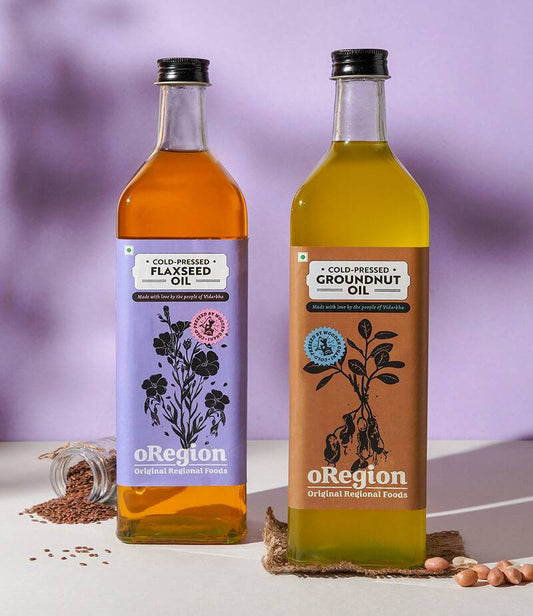
Cold Pressed Flaxseed Oil – India’s Natural Vegan Omega-3 Source
What Is Flaxseed Oil (Alsi Ka Tel / Tisi Oil)?
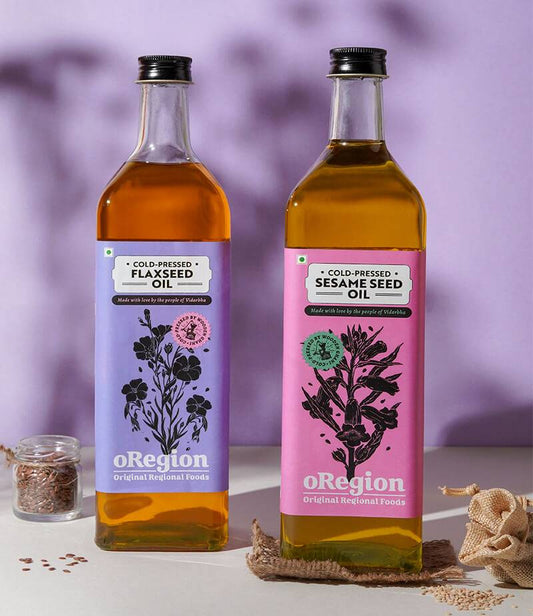
Flaxseed oil known as Alsi Tel, Tisi Oil, or Linseed Oil, is extracted from the flax crop, traditionally grown in India. It is the richest plant-based source of omega-3 fatty acids (ALA) available in Indian diets, making it especially important for vegetarians and vegans.
Flaxseed and Omega-3 Fatty Acids Explained
Alpha-linolenic acid (ALA) supports:
-
Heart rhythm regulation
-
Brain cell membrane health
-
Hormonal signalling
-
Inflammation control
Regular intake helps correct the modern omega-6 excess seen in refined oil diets.
Cold Pressed Flaxseed Oil vs Refined Linseed Oil
Although flaxseed oil and linseed oil originate from the same flax crop, their nutritional value depends entirely on the extraction method. Cold pressed flaxseed oil is produced using gentle mechanical pressure at low temperatures, whereas refined linseed oil undergoes aggressive industrial processing.
Refining typically:
-
Destroys heat-sensitive omega-3 fatty acids (ALA)
-
Removes natural antioxidants like lignans
-
Involves chemical solvents and high heat
-
Alters the oil’s molecular structure
As a result, refined linseed oil is often downgraded to industrial or lubricant-grade applications, while cold pressed flaxseed oil remains fit for human nutrition. This distinction is critical for consumers seeking health benefits rather than just calories.
Virgin Flaxseed Oil and Its Nutritional Superiority
Virgin flaxseed oil is extracted from fresh flaxseeds without filtration, deodorisation, or chemical treatment. This ensures:
-
Higher omega-3 bioavailability
-
Intact antioxidant profile
-
Natural aroma and taste
Because it remains closest to its natural form, virgin flaxseed oil is widely used in preventive nutrition and therapeutic diets, especially for heart, metabolic, and inflammatory conditions.
Oil From Flax – Why Extraction Method Matters
Omega-3 fatty acids are extremely sensitive to heat, light, and oxygen. Even mild overheating can cause oxidation, rendering the oil ineffective or harmful. Cold pressing protects these delicate fats, ensuring that the oil retains its biological activity, which is essential for real health impact.
Flaxseed Oil Benefits for Overall Health
Flaxseed Oil is not a general cooking oil it is a functional nutrition oil designed to address modern dietary deficiencies, especially omega-3 imbalance.
Flaxseed Oil Benefits for Heart and Cholesterol
ALA omega-3 helps:
-
Reduce triglyceride levels
-
Improve arterial elasticity
-
Support healthy HDL-to-LDL balance
Regular intake supports cardiovascular resilience, particularly in sedentary lifestyles.
Flaxseed Omega-3 for Inflammation and Immunity
Chronic inflammation is the root of many lifestyle diseases. Omega-3 fats help:
-
Regulate inflammatory pathways
-
Support joint mobility
-
Strengthen immune response
This makes flaxseed oil valuable for long-term wellness.
Flaxseed Benefits for Women’s Hormonal Health
Flaxseed oil supports:
-
Estrogen metabolism
-
Menstrual comfort
-
Metabolic stability
Flaxseed Oil Benefits for Female Wellness
Flaxseed and Digestive Health Support
The oil also supports gut lubrication and nutrient absorption, indirectly improving digestion.
Cold Pressed Flaxseed Oil Uses in Daily Life
How to Use Flaxseed Oil Safely in Indian Diets
Flaxseed oil should never be heated, as heat destroys omega-3 fats. It is meant exclusively for raw or post-cooking use.
Flaxseed Oil Usage for Salads and Raw Consumption
It can be added to:
-
Salads
-
Curd
-
Chutneys
-
Steamed vegetables (after cooling)
Olive Oil Replacement for Cold Dishes
For Indian households, flaxseed oil works as a cost-effective olive oil alternative for cold applications.
Vegan Omega-3 Alternative to Fish Oil
Flaxseed Oil for Hair and Skin Care
Topical use supports scalp nourishment, hair strength, and skin elasticity.

Flaxseed Oil Price, Cost, and Quality Factors
Cost of Flaxseed Oil in India Explained
Cold Pressed Flaxseed Oil is priced higher because of:
-
High seed requirement
-
Low oil yield per batch
-
Short shelf life
-
Small-batch, fresh processing
Flax Oil Price vs Nutritional Value
The price reflects therapeutic potency, not premium branding. A small daily quantity delivers significant nutritional value.
Why Cold Pressed Flaxseed Oil Costs More
Preserving omega-3 requires slower extraction, strict temperature control, and limited storage time factors absent in mass-produced oils.
How to Identify the Best Cold Pressed Flaxseed Oil
oRegion Flaxseed Oil – Quality and Purity Standards
oRegion follows strict sourcing, cold extraction, and freshness protocols to ensure nutritional integrity.
Cold Pressed Mustard Oil – Traditional Sarso Tel for Indian Cooking

What Is Kachi Ghani Mustard Oil?
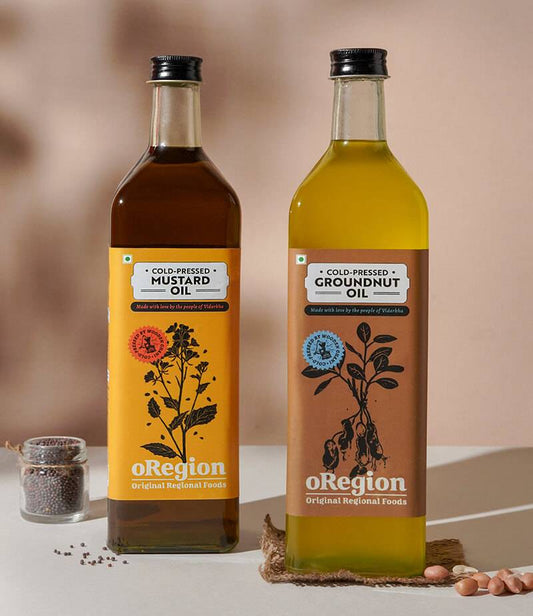
“Kachi Ghani” refers to Cold Pressed Mustard Oil extracted at low temperatures, retaining:
-
Natural pungency
-
Allyl isothiocyanates
-
Antioxidants
Its high smoke point and stability make it ideal for Indian tadka, sautéing, and shallow frying.
Cold Pressed Groundnut Oil – A Stable and Balanced Cooking Oil

Cold pressed groundnut oil, also known as peanut oil, has been a staple cooking mediu in Indian households for generations, especially in western and southern regions. Traditionally extracted using wooden or slow mechanical presses, this oil retains its natural fatty acid structure, antioxidants, and micronutrients.
What makes Cold Pressed Groundnut Oil particularly valuable is its exceptional oxidative stability. Unlike highly processed oils that degrade quickly under heat, groundnut oil maintains structural integrity during everyday Indian cooking, such as sautéing, shallow frying, and tempering. Its mild flavor allows the natural taste of food to remain intact, making it ideal for daily meals.
From a nutritional standpoint, groundnut oil offers a balanced fat composition that aligns well with Indian dietary patterns, providing sustained energy without burdening digestion.
Groundnut Oil Benefits for Everyday Cooking
Cold pressed groundnut oil is especially suitable for regular use due to the following benefits:
-
High monounsaturated fat (MUFA) content, which supports heart health and metabolic balance
-
Naturally low in saturated fat, reducing strain on cholesterol metabolism
-
Good heat tolerance, making it safe for routine cooking methods
-
Light and easily digestible, supporting gut comfort even with daily consumption
Studies associate MUFA-Rich Oils with improved lipid profiles, reduced LDL oxidation, and better insulin sensitivity when used in moderation. Groundnut oil’s stability also means fewer harmful oxidation byproducts are formed during cooking compared to refined seed oils.
For Indian households where oil is used daily, this stability translates into safer, cleaner fat intake over time.
Cold Pressed Groundnut Oil vs Refined Peanut Oil
The difference between cold pressed and refined groundnut oil lies not just in processing, but in health impact.
Cold Pressed Groundnut Oil:
-
Extracted at low temperatures
-
Retains natural antioxidants and vitamin E
-
Preserves original fatty acid balance
-
Has a natural aroma and flavor
-
Produces fewer oxidation compounds during cooking
Refined Peanut Oil:
-
Exposed to high heat, chemicals, and bleaching agents
-
Loses antioxidants and micronutrients
-
Becomes nutritionally “empty” fat
-
May contain trans-fat traces and processing residues
-
Designed for shelf life, not health
Refining strips groundnut oil of its protective compounds, leaving behind calories without nutrition. Over time, repeated consumption of such oils contributes to oxidative stress and metabolic imbalance.
Wood Pressed Groundnut Oil – Nutritional Advantages
Wood Pressed (Kolhu-extracted) Groundnut Oil represents the most traditional and nutritionally superior form of this oil. The slow extraction process minimizes heat generation, preserving delicate bioactive compounds.
Nutritional advantages include:
-
Higher antioxidant retention, protecting cells from free-radical damage
-
Better fatty acid stability, reducing oil breakdown during cooking
-
Improved bioavailability, allowing the body to utilize fats efficiently
-
Lower tendency to form harmful byproducts when heated
Ayurvedic texts consider groundnut oil balya (strength-giving) and suitable for individuals needing sustained energy, including working adults and physically active individuals.
Why Its Fat Stability Matters for Daily Use
The stable monounsaturated fats in cold pressed groundnut oil make it particularly suitable for daily cooking. MUFAs resist oxidation better than polyunsaturated fats (PUFAs), meaning the oil remains chemically stable even when exposed to moderate heat.
This stability results in:
-
Reduced formation of toxic aldehydes
-
Lower inflammatory load on the body
-
Better long-term cardiovascular safety
For households that cook multiple meals a day, choosing a stable oil is not a minor decision; it is a long-term health investment.
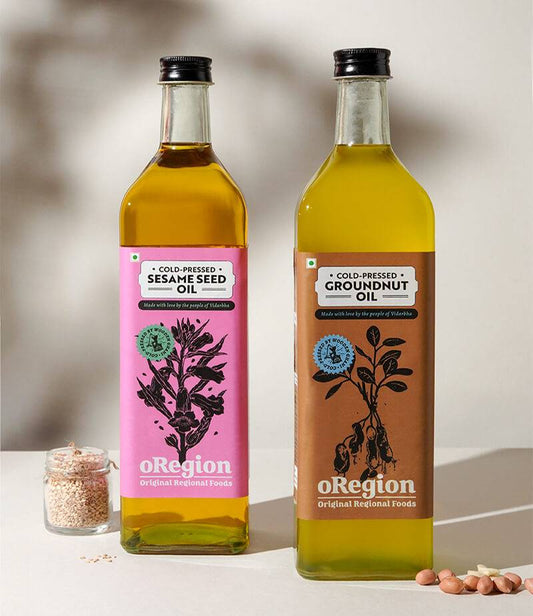
Cold Pressed Sesame Oil (Gingelly Oil) – An Ancient Ayurvedic Fat

Cold Pressed Sesame Oil, traditionally known as Gingelly Oil or Til Ka Tel, is one of the oldest edible oils used in India. It's mentioned in Ayurveda, Siddha medicine, and ancient Indian culinary texts, where it is described as a “sneha dravya” a nourishing fat essential for strength, longevity, and balance of the body.
Unlike modern refined oils, cold pressed sesame oil is extracted at low temperatures using traditional methods, ensuring that its natural antioxidants, minerals, and bioactive compounds remain intact. Ayurveda classifies sesame oil as warming, grounding, and strengthening, making it particularly suitable for Indian climates, digestion patterns, and seasonal cooking.
Sesame oil has historically been used not just as a cooking medium, but also for therapeutic massage, detoxification therapies (Abhyanga), wound healing, and daily nourishment. Its stability and resistance to oxidation make it one of the safest traditional oils for regular consumption.
Cold Pressed Sesame Seed Oil Benefits
Cold pressed sesame oil offers a unique nutritional profile that supports long-term health when consumed in moderation:
-
Rich in natural antioxidants such as sesamol and sesamin, which protect cells from oxidative stress
-
Contains balanced fatty acids, including MUFA and PUFA, supporting heart and metabolic health
-
High in calcium, magnesium, and zinc, essential for bone strength and nerve function
-
Naturally antimicrobial, supporting gut health and immune defense
Modern research shows that sesame oil consumption is associated with improved lipid profiles, better blood vessel flexibility, and reduced oxidative damage compared to refined seed oils. Its antioxidants remain stable even at moderate cooking temperatures, which is why it has traditionally been used for sautéing, tadka, and slow cooking.
In Ayurveda, sesame oil is believed to strengthen joints, nourish tissues (dhatus), and improve digestion, making it especially beneficial for people with dry skin, joint stiffness, or weak digestion.
Til Oil Uses in Cooking and Wellness
In Indian kitchens, til oil has always had a dual role: nutrition and therapy.
Culinary Uses:
-
Ideal for South Indian cooking, including curries, podi mixes, and tempering
-
Suitable for low to medium-heat cooking due to its natural stability
-
Enhances flavor while improving satiety, helping reduce overall oil consumption
Wellness Uses:
-
Used in daily oil massage (Abhyanga) to improve circulation and reduce fatigue
-
Traditionally consumed in winter to support warmth, immunity, and joint health
-
Helps balance Vata dosha, which governs movement, nerves, and dryness in the body
Because sesame oil absorbs deeply into tissues, it provides longer-lasting nourishment than lighter, refined oils.
Sesame Oil for Hair, Skin, and Detox
Sesame oil has been a cornerstone of Indian self-care for centuries due to its deep-penetrating and detoxifying nature.
For Hair:
-
Strengthens hair roots and improves scalp circulation
-
Helps reduce dryness, dandruff, and premature greying
-
Acts as a natural barrier against environmental damage
For Skin:
-
Nourishes dry and sensitive skin
-
Improves skin elasticity and barrier function
-
Traditionally used to protect skin from the sun and pollution
For Detoxification:
In Ayurvedic detox practices, sesame oil is used for:
-
Oil Pulling (Gandusha) to support oral and digestive health
-
Massage before bathing is believed to draw toxins from tissues
-
Supporting lymphatic movement and joint lubrication
Its warming nature helps loosen toxins, while its antioxidant content supports cellular repair and regeneration.
Frequently Asked Questions on Edible Oils and Health
Is India Consuming Too Much Oil According to NITI Aayog?
Yes. Nearly double the recommended limit.
Which Is the Healthiest Oil for Indian Cooking?
A rotation of cold pressed mustard, groundnut, and sesame oils.
Is Cold Pressed Oil Good for Daily Use?
Yes, in smaller quantities.
Can Flaxseed Oil Be Used for Cooking?
No. It is best used raw.
How Much Oil Should an Adult Consume Daily?
20–30 grams.
Final Thoughts – India Needs Better Oil, Not More Oil
India’s rising oil consumption is not merely a dietary trend; it is a clear public health warning. The solution does not lie in eliminating fats, but in choosing the right fats, extracted responsibly and used mindfully.
When oil quality improves, quantity automatically reduces. At oRegion, we believe that returning to traditional cold pressed oils used in moderation can protect future generations from lifestyle diseases, because true health begins with the fat we consume.
Follow us for more wellness tips
👉 Buy Now on oregion.in
📸 Instagram: @oRegion.in
📘 Facebook: facebook.com/oRegionfoods
▶ YouTube: https://www.youtube.com/@oRegion_foods