


How Moisture in Ghee Affects Shelf Life and Why Proper Storage Matters
By oregion foodsIndia is a land where Ghee is more than a cooking ingredient—it is a symbol of nourishment, purity, and tradition. For centuries, Desi Ghee has been an essential part of Indian kitchens, religious rituals, and Ayurvedic practices. From drizzling it over hot rotis to preparing festive sweets like laddoos and halwa, ghee plays a vital role in everyday meals.
Today, as people become more conscious about nutrition and food quality, the demand for A2 Ghee, Bilona Ghee, and Gir Cow Ghee has increased significantly. Many consumers actively search online to Buy Ghee, compare Ghee Price, evaluate A2 Ghee Price, and find the Best Ghee in India.
However, one issue many customers experience is this:
“I purchased A2 Bilona Ghee, but after a month, it does not smell or taste as fresh as when I first opened it.”
The reason behind this problem is often moisture contamination.
Moisture, whether present inside the ghee after preparation or entering the jar during storage, can drastically affect the taste, aroma, and shelf life of ghee.
In this guide, we will explain:
-
What moisture content in ghee means
-
Why it affects shelf life and flavor
-
The difference between internal moisture and external moisture
-
How to store A2 Gir Cow Bilona Ghee properly
-
How to choose the Best A2 Bilona Ghee in India
Understanding What Ghee Is and Why It Naturally Has a Long Shelf Life
Ghee is a traditional clarified butter prepared by heating butter slowly to remove water and milk solids. What remains is almost pure milk fat, typically around 99–99.5% fat.
This high-fat composition gives Pure A2 Ghee a naturally longer shelf life compared to most dairy products.
Traditional Bilona Ghee is prepared through an ancient process:
-
Fresh milk is boiled
-
It is converted into curd
-
The curd is churned using a wooden bilona to extract butter
-
Butter is slowly heated to produce Pure Gir Cow Ghee
This process is commonly used to produce A2 Cow Bilona Ghee from indigenous cows such as the Gir cow.
High-quality Desi Gir Cow Ghee contains:
-
Healthy saturated fats
-
Omega fatty acids
-
Fat-soluble vitamins (A, D, E, and K)
-
Natural antioxidants
Because Pure Gir Cow Ghee contains almost no water, it is naturally resistant to bacterial growth and can stay stable for months.
But this stability depends heavily on moisture content.
Read More: What Happens If You Eat Ghee Daily for 30 Days?
Why Moisture Content Is Critical for the Shelf Life of Ghee
One of the most overlooked quality parameters in A2 Cow Ghee is moisture percentage.
According to food safety standards, the maximum permissible moisture content in ghee is 0.5%.
However, high-quality ghee usually contains far lower moisture levels.
For example, a laboratory test report of Gir Cow Ghee showed moisture content as 0.02%, which is extremely low and well within safe limits.
Lower moisture means:
-
Longer shelf life
-
Better aroma
-
Stable texture
-
Delayed rancidity
But if moisture approaches 0.5% or higher, ghee begins to lose its freshness, taste, and aroma much faster.
This is why some customers feel their A2 Bilona Ghee loses freshness within a month, even though it was premium quality when purchased.
To understand this fully, we must look at two types of moisture in ghee.
Read More: The Hidden Secrets of Using A2 Cow Ghee in Winters
Two Types of Moisture That Affect Ghee Shelf Life
Moisture affecting A2 Gir Cow Ghee generally comes from two sources:
-
Internal moisture present after ghee preparation
-
External moisture entering the ghee during storage
Both types affect flavor, stability, and shelf life.
1. Internal Moisture Present After Ghee Preparation
The first type of moisture exists inside the ghee immediately after it is prepared.
During the ghee-making process, butter is heated to evaporate water. If the heating process is incomplete or rushed, some moisture may remain in the final product.
Even small amounts of leftover moisture can:
-
Reduce shelf life
-
Accelerate rancidity
-
Affect aroma stability
-
Increase the risk of microbial growth
This means that even if you store the ghee perfectly, its shelf life may already be limited because the moisture was present from the beginning.
This is why traditional slow preparation methods, such as the Bilona process, are considered superior. They ensure maximum evaporation of moisture.
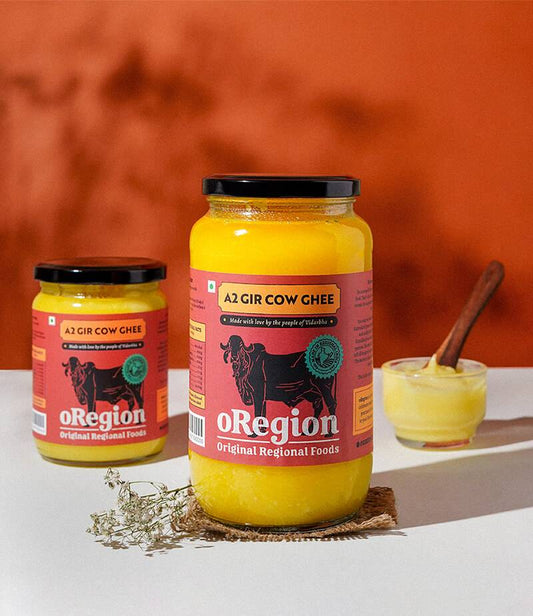
Premium products such as oRegion Ghee follow slow heating techniques to maintain purity and minimize moisture levels.
2. External Moisture Entering the Ghee During Storage
The second type of moisture enters the ghee after production, usually during storage and handling.
External moisture can enter when:
-
A wet spoon is used
-
The jar is exposed to humid air
-
The container is kept near cooking steam
-
The lid is left open for long periods
Even a small amount of external moisture can start chemical reactions inside the ghee.
These reactions lead to:
-
Faster rancidity
-
Loss of flavor
-
Change in aroma
-
Reduced shelf life
This is one of the main reasons why people buying Best A2 Cow Ghee sometimes notice the flavor fading after a few weeks.
How Moisture Causes Rancidity in Ghee
Moisture can trigger a chemical process called hydrolysis.
During hydrolysis:
-
Water molecules break down fat molecules
-
Free fatty acids are released
-
These acids create rancid smell and taste
As a result, the nutty aroma of Bilona Ghee gradually disappears.
Symptoms of rancid ghee include:
-
Sour smell
-
Bitter taste
-
Unpleasant odor
-
Sticky or foamy texture
Even the Best A2 Gir Cow Ghee in India can deteriorate quickly if moisture contamination occurs.
Why A2 Gir Cow Ghee Is Considered Among the Best Ghee in India
Among various types of ghee available today, A2 Gir Cow Bilona Ghee is widely regarded as one of the Best Ghee in India.
This is because of three important factors:
1. Indigenous Gir Cow Milk
Gir cows produce milk containing A2 beta-casein protein, which many people find easier to digest compared to A1 milk.
2. Traditional Bilona Method
The Bilona method enhances flavor and nutritional density.
3. Nutritional Benefits
Some widely recognized benefits of Gir Cow Ghee include:
-
Better digestion
-
Improved immunity
-
Enhanced nutrient absorption
-
Brain health support
-
Sustained energy levels
These qualities contribute to the higher A2 Gir Cow Ghee Price compared to regular ghee.
Best Practices to Store Ghee Properly
Proper storage plays a crucial role in preserving the purity, aroma, and shelf life of Organic A2 Cow Ghee. Although ghee is naturally more stable than butter or many cooking oils, its quality can deteriorate if it is exposed to moisture, air, heat, or contaminants.
Many consumers believe that once they Buy Ghee, especially A2 Bilona Ghee or Gir Cow Ghee, it will remain fresh indefinitely. While ghee does have a long shelf life, improper storage can significantly reduce its freshness and nutritional value.
Scientific studies on dairy fats suggest that moisture and oxygen are the two biggest enemies of ghee stability. When these elements enter the container, they trigger chemical reactions that degrade the flavor and may even cause rancidity over time.
By following a few simple storage practices, consumers can ensure that their Pure A2 Ghee retains its natural aroma, taste, and health benefits for several months.
Use a Completely Dry Spoon
One of the most common mistakes people make while using ghee is inserting a wet spoon or partially moist utensil into the jar.
Even a small amount of water introduced into the container can significantly affect the shelf life of A2 Cow Bilona Ghee. Moisture creates micro-environments where bacteria and mold can grow, even though ghee itself contains almost no water.
In many kitchens, this mistake occurs unintentionally when:
-
A spoon used for serving hot food is dipped into the ghee jar
-
The spoon has been washed but not dried completely
-
Steam from hot food condenses on the spoon before use
When water droplets enter Pure Gir Cow Ghee, they can initiate hydrolysis, a process that breaks down fat molecules and releases free fatty acids. Over time, this reaction causes the ghee to develop a sharp smell or slightly sour taste.
Best practice:
Always use a clean, completely dry spoon when scooping ghee. Many households keep a dedicated spoon specifically for Desi Gir Cow Ghee to prevent contamination.
Store Ghee in Airtight Containers
Another critical factor that affects the shelf life of A2 Gir Cow Ghee is exposure to air and environmental humidity.
Leaving the jar loosely covered or frequently opening the lid can expose the ghee to:
-
Moisture from the air
-
Cooking vapors
-
Dust particles
-
Microorganisms present in the kitchen environment
Over time, this exposure accelerates oxidation, which gradually breaks down the fat molecules in ghee.
To preserve the quality of Pure A2 Ghee, it is recommended to store it in airtight containers made from non-reactive materials.
The most suitable storage containers include:
-
Glass jars with tight lids
-
Stainless steel containers
-
Food-grade ceramic containers
These materials prevent contamination and help maintain the natural stability of Best A2 Cow Ghee.
Avoid storing ghee in thin plastic containers, as they may allow air exchange and sometimes absorb aroma compounds from the ghee.
Keep Ghee Away from Heat and Sunlight
Temperature plays an important role in determining the stability of Bilona Ghee.
Although ghee is used for cooking at high temperatures, prolonged exposure to heat during storage can accelerate the oxidation of fats. This process slowly degrades the aroma compounds responsible for the rich nutty flavor of Gir Ghee.
Direct sunlight can also affect the quality of ghee by:
-
Breaking down sensitive vitamins such as Vitamin A and Vitamin E
-
Causing discoloration of the fat
-
Accelerating oxidative reactions
To maintain the quality of Best A2 Gir Cow Ghee in India, it is best to store ghee in:
-
Kitchen cabinets
-
Pantry shelves
-
Closed cupboards away from sunlight
Avoid placing ghee jars close to:
-
Gas stoves
-
Microwaves
-
Dishwashers
-
Windows receiving direct sunlight
A cool and shaded environment helps preserve the taste and nutritional value of Organic A2 Desi Cow Ghee.
Read More: Nutrition Recommend Ghee for High-Fat, Low-Carb Diets
Avoid Humid Areas
Humidity is another major factor that can reduce the shelf life of Pure Gir Cow Ghee.
In regions where the climate is naturally humid, moisture in the surrounding air can slowly enter the container each time the lid is opened. This is particularly common in coastal regions or during the monsoon season.
High humidity can cause:
-
Gradual moisture absorption in ghee
-
Faster oxidation
-
Increased chances of microbial contamination
For this reason, it is recommended to store Desi Gir Cow Ghee in areas of the kitchen that remain dry and well-ventilated.
If the kitchen environment is extremely humid, additional precautions such as refrigeration may help maintain the freshness of A2 Cow Ghee.
Read More: Bilona Ghee Benefits for Women
Refrigerate in High-Humidity Regions
While ghee traditionally does not require refrigeration, storing it in the refrigerator can be beneficial in certain climates.
In regions with high humidity and warm temperatures, refrigeration slows down several chemical reactions that can lead to spoilage.
Refrigeration helps by:
-
Reducing moisture absorption
-
Slowing oxidation reactions
-
Preventing microbial growth
When refrigerated, A2 Bilona Ghee becomes solid due to its natural fat composition. This is completely normal and does not affect its nutritional value.
Consumers who purchase premium products such as oRegion Gir Cow Ghee or A2 Gir Cow Bilona Ghee may prefer refrigeration to ensure the product maintains its freshness for longer periods.
Read More: How Bilona Ghee Became a Buzzword
How to Identify Spoiled Ghee
Although Best Ghee in India has a long shelf life, it can still deteriorate if exposed to moisture, air, or improper storage conditions.
Understanding the early signs of spoilage can help prevent the consumption of degraded ghee.
Some common indicators that ghee may have gone bad include:
Sour or Rancid Smell
Fresh ghee typically has a pleasant nutty aroma. If the smell becomes sour, sharp, or unpleasant, rancidity may have begun.
Visible Mold
The appearance of white, green, or dark spots indicates microbial contamination caused by moisture.
Bitter Taste
If ghee develops a bitter or harsh flavor, the fat molecules may have degraded.
Change in Color
High-quality Gir Cow Ghee usually has a golden yellow color. Darkening or unusual discoloration may signal oxidation.
Foamy Surface
Foam or bubbles forming on the surface may indicate moisture contamination.
If any of these signs are present, the ghee should not be consumed, as its quality and safety may be compromised.
Read More: Traditional Ghee: Science, Fats & Oxidative Stress
Why Choosing the Right Brand Matters
The shelf life and stability of ghee depend not only on storage but also on how the ghee is produced.
Many low-quality ghee products available in the market are made using industrial shortcuts or blended fats. These products may contain higher moisture levels, which reduces their stability.
Authentic brands maintain strict quality standards, including:
-
Careful sourcing of milk from indigenous cows
-
Traditional preparation techniques
-
Proper removal of moisture during cooking
-
Laboratory testing to ensure purity
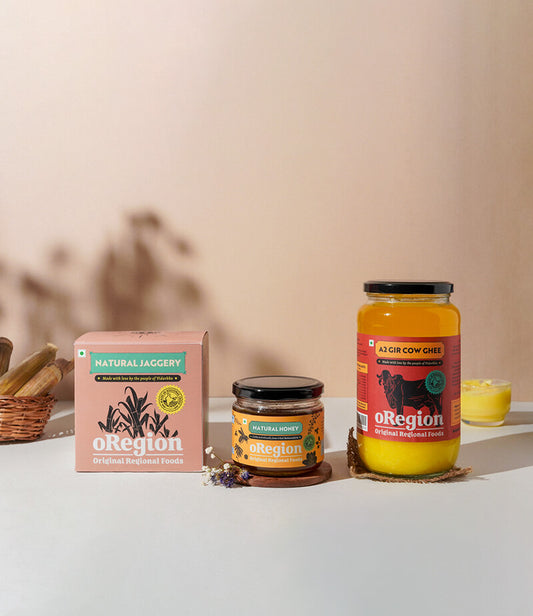
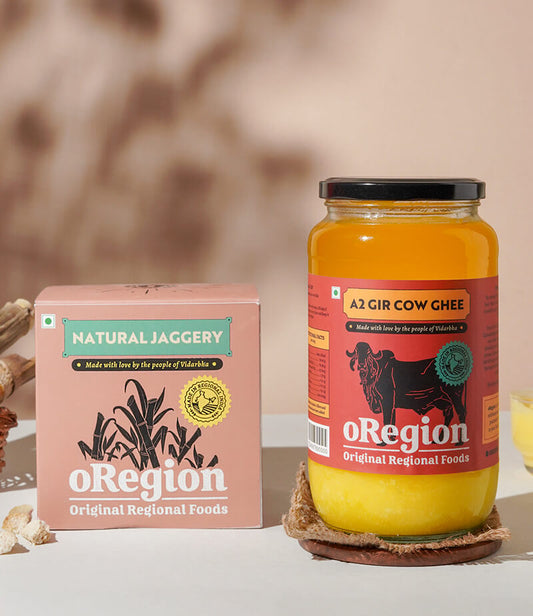
For example, oRegion Ghee is prepared using traditional techniques designed to maintain the purity and stability of A2 Bilona Ghee.
Special varieties such as Betel Leaf Ghee, Betel Leaf oRegion, and oRegion Betel Leaf combine traditional ghee with herbal infusion to create unique flavors inspired by Ayurvedic traditions.
Maintaining low moisture levels during production ensures that oRegion Gir Cow Ghee retains its natural aroma, texture, and nutritional quality for longer periods.
Read More: Doctors Once Warned Against Ghee
Where to Buy Ghee Online Safely
With the rise of e-commerce, many consumers prefer to Buy Ghee Online for convenience and access to premium products.
However, choosing the right brand is essential because the quality of ghee varies widely across the market.
Before purchasing A2 Gir Cow Ghee, consumers should evaluate several factors.
Source of Milk
The milk should come from indigenous breeds such as Gir cows that naturally produce A2 protein milk.
Production Method
Traditional methods such as the Bilona process are generally associated with higher quality and better flavor.
Lab Testing
Reputable brands provide lab reports verifying parameters such as:
-
Moisture content
-
Free fatty acid levels
-
Purity standards
Customer Reviews
Reading verified reviews can help understand product quality and brand reliability.
Packaging Quality
Proper packaging helps protect ghee from moisture and contamination during transportation.
While comparing Ghee Price, A2 Cow Ghee Price, and Gir Cow Ghee Price is important, the focus should always be on purity, authenticity, and production methods.
FAQs About Moisture and Ghee Shelf Life
What is the ideal moisture content in ghee?
High-quality ghee should contain very low moisture levels, ideally far below 0.5%, which is the maximum limit allowed under food safety standards. Lower moisture helps extend shelf life and preserve flavor.
Why does A2 Bilona Ghee lose freshness after a month?
Loss of freshness can occur due to:
-
Moisture remaining after preparation
-
External moisture entering during storage
-
Exposure to heat or air
-
Frequent opening of the container
Proper storage helps maintain freshness for longer.
Does refrigeration increase the shelf life of A2 Cow Ghee?
Yes. Refrigeration slows oxidation and reduces moisture exposure, which can help extend the shelf life of Pure A2 Ghee.
Is Gir Cow Ghee better than regular ghee?
Many consumers prefer A2 Gir Cow Ghee because it is made from milk of indigenous cows and often prepared using traditional Bilona methods.
Why is A2 Gir Cow Ghee Price higher?
The A2 Gir Cow Ghee Price is typically higher because it involves:
-
Milk from indigenous cows
-
Traditional churning methods
-
Small-batch production
-
Longer preparation time
These factors contribute to the premium quality of Best A2 Bilona Ghee in India.
Read More: Fake Ghee vs A2 Bilona Ghee: Know the Truth
Conclusion
For generations, ghee has been one of the most treasured foods in Indian kitchens, valued for its flavor, nourishment, and cultural significance.
However, the long shelf life of ghee depends greatly on moisture control and proper storage practices.
Two types of moisture can affect the quality of ghee:
-
Internal moisture present after preparation, which may shorten shelf life even before the consumer opens the jar.
-
External moisture introduced during storage, often caused by wet utensils, humid air, or improper sealing.
When moisture levels approach 0.5% or higher, the risk of rancidity, flavor loss, and spoilage increases significantly.
By choosing authentic products such as oRegion Ghee, storing them correctly, and protecting them from moisture contamination, consumers can enjoy the true aroma, taste, and health benefits of Best A2 Gir Cow Ghee in India for months.
Follow us for more wellness tips
👉 Buy Now on oregion.in
📸 Instagram: @oRegion.in
📘 Facebook: facebook.com/oRegionfoods
▶ YouTube: https://www.youtube.com/@oRegion_foods