


Doctors Once Warned Against Ghee—Here’s What Science Says Now
By oregion foodsFor decades, ghee sat quietly on the medical “avoid” list. Doctors cautioned against it, nutrition columns warned about clogged arteries, and households slowly replaced desi ghee with refined oils. The logic seemed simple at the time: ghee is rich in saturated fat, saturated fat raises cholesterol, and cholesterol causes heart disease. But nutrition science has never been static. As research tools improved and long-term dietary patterns were examined more carefully, this once-solid belief began to crack.
Fast forward to 2026, and the narrative around A2 ghee, especially A2 Gir Cow Ghee made using the traditional Bilona ghee method, has changed dramatically. Today, leading nutrition experts and preventive health doctors view pure A2 ghee not as a villain, but as a functional fat that can play a meaningful role in a balanced diet when consumed correctly and sourced authentically.
We explore why doctors once warned against ghee, what modern research reveals, how best A2 Bilona ghee in India fits into daily nutrition, and why heritage brands like oRegion Gir Cow Ghee are gaining renewed trust among health-conscious families.
Why Doctors Once Warned Against Ghee
The Diet–Heart Hypothesis Explained
In the mid-20th century, researchers introduced the diet–heart hypothesis, which suggested that saturated fat intake directly increased LDL cholesterol [1] and heart disease risk. Since shudh ghee is naturally high in saturated fat, it was grouped alongside hydrogenated oils and margarine.
However, these early conclusions had major limitations:
-
They relied heavily on observational data
-
They failed to differentiate between natural and industrial fats
-
They ignored centuries of traditional Indian diets that included gir cow ghee daily
As a result, nutrient-dense fats like A2 cow ghee were unfairly demonized.
One Major Scientific Oversight
Not all saturated fats behave the same way metabolically. The fatty acid profile of A2 Gir Cow Bilona Ghee is fundamentally different from refined seed oils. This critical distinction went unnoticed for decades.
What Changed? The Modern Science of Ghee (2026)

Saturated Fat Is Not the Enemy Anymore
Modern nutritional science shows that heart disease correlates more strongly with insulin resistance, chronic inflammation, poor gut health, and ultra-processed foods than with natural saturated fats [2] alone. When evaluated in isolation, ghee does not show the same harmful effects as once assumed.
Short-Chain Fatty Acids (SCFAs) in Ghee
One reason bilona ghee stands apart is its high concentration of butyric acid, a powerful short-chain fatty acid that:
-
Fuels colon cells
-
Strengthens the gut lining
-
Reduces inflammatory markers
-
Supports beneficial gut bacteria
This makes A2 Bilona ghee metabolically different from refined fats used in modern cooking.
Neutral Impact on Heart Health
Recent clinical evaluations show that:
-
Moderate intake of best ghee in India (1–2 teaspoons daily)
-
Does not significantly elevate harmful LDL cholesterol
-
Does not increase cardiovascular risk in healthy individuals
High Smoke Point Means Safer Cooking
With a smoke point of nearly 485°F (252°C), pure gir cow ghee remains stable during Indian cooking, producing fewer oxidative compounds than many refined oils. This makes ghee ideal for sautéing, roasting, and tadka preparation.
Read More: Bilona Ghee Benefits for Women | Gir Cow Ghee
Nutritional Benefits of Pure A2 Gir Cow Ghee
Pure A2 Gir cow ghee is far more than a cooking fat. It is a time-tested nutritional reservoir that has nourished Indian households for centuries. Modern dietary science now confirms what Ayurveda has always known: that desi Gir cow ghee, when sourced correctly and consumed mindfully, supports overall health at a cellular level.
A Natural Vitamin Powerhouse
Pure A2 ghee is rich in naturally occurring fat-soluble vitamins [3] that are often missing from modern diets dominated by refined oils and ultra-processed foods.
-
Vitamin A plays a vital role in immune defense, eye health, and cellular repair. Adequate intake supports healthy skin, improved vision in low light, and a robust immune response.
-
Vitamin D, naturally present in grass-fed A2 gir cow ghee, assists calcium absorption and supports bone density, muscle function, and immune resilience.
-
Vitamin E acts as a powerful antioxidant, protecting cells from oxidative stress caused by pollution, stress, and aging.
-
Vitamin K2, one of the most overlooked nutrients, ensures calcium is directed to bones and teeth rather than arteries.
Vitamin K2 explains why traditional diets rich in shudh ghee showed lower arterial calcification despite moderate fat intake. Unlike refined oils, pure gir cow ghee nourishes without burdening the cardiovascular system when used responsibly.
Read More: What Happens If You Eat Ghee Daily for 30 Days?
Lactose and Casein-Free Nature of A2 Bilona Ghee
One of the most practical benefits of authentic A2 cow bilona ghee is its near-complete absence of lactose and casein. During the traditional Bilona process, milk solids are fully separated, leaving behind pure fat.
This makes A2 ghee:
-
Gentle on sensitive digestive systems
-
Safe for many lactose-intolerant individuals
-
Suitable for elders, children, and those recovering from illness
Unlike butter or cream, bilona ghee does not trigger bloating or heaviness. Its easy digestibility is one reason why ghee for kids and ghee for elders remains a staple in Indian households.
Read More: How Bilona Ghee Became a Buzzword
Anti-Inflammatory Effects of Gir Cow Ghee
The presence of butyric acid, a short-chain fatty acid, is what truly sets gir ghee apart. Butyric acid serves as fuel for intestinal cells and plays a key role in:
-
Healing the gut lining
-
Reducing intestinal inflammation
-
Supporting beneficial gut bacteria
-
Improving nutrient absorption
Chronic inflammation is now linked to lifestyle diseases such as diabetes, obesity, and autoimmune disorders [4] . Regular, moderate use of A2 gir cow ghee helps counter this inflammatory load naturally. This is why ghee for women, ghee for men, and children has long been emphasized in Ayurveda.
Read More: Nutrition Recommend Ghee for High-Fat, Low-Carb Diets
What Is A2 Ghee and Why It Matters
A1 vs A2 Milk — Explained Clearly
Not all milk proteins are the same. The difference lies in beta-casein:
-
A1 milk, mostly from foreign cow breeds, releases BCM-7 (beta-casomorphin-7) during digestion
-
A2 milk, from indigenous cows like Gir, does not produce BCM-7
BCM-7 has been linked to digestive distress, inflammation, and discomfort in sensitive individuals. This is why many people feel bloated or uneasy after consuming modern dairy products.
Benefits of A2 Gir Cow Ghee
Because it is derived from A2 milk, A2 Gir cow ghee offers:
-
Easier digestion
-
Improved nutrient bioavailability
-
Better compatibility with Indian genetics
This explains why best A2 gir cow ghee in India is increasingly chosen over commercial dairy fats.
Read More: The Hidden Secrets of Using A2 Cow Ghee in Winters
Bilona Method — Why Traditional Still Wins
What Is Bilona Ghee?
The Bilona method is a slow, artisanal process that respects the natural structure of milk fats:
-
Fresh A2 gir cow milk is cultured into curd
-
The curd is hand-churned to extract butter
-
Butter is slowly heated to produce bilona ghee
This method avoids high-heat shortcuts used in industrial ghee production.
Why Bilona Ghee Is Superior
Traditional bilona ghee:
-
Preserves heat-sensitive nutrients
-
Retains butyric acid and CLA
-
Maintains Ayurvedic integrity
This explains the premium gir cow ghee price and A2 cow ghee price you are paying for authenticity, nutrition, and ethical production.
Read More: This Magic Drink Boosts Immunity & Sleep Naturally
Modern Medical Recommendations on Ghee (2026)
Modern medicine no longer looks at nutrition through the outdated lens of “fat is bad.” Instead, contemporary dietary science focuses on metabolic response, inflammation markers, gut health, and food quality. In this evolved framework, pure A2 Gir cow ghee holds a respected position when consumed mindfully.
Multiple nutrition reviews now agree that traditional fats like A2 Bilona ghee, when part of a balanced diet, do not inherently increase disease risk. Instead, they contribute to satiety, hormonal balance, and digestive efficiency factors that refined oils often fail to support.
The Golden Rule of Moderation
Modern dietary guidelines emphasize controlled intake rather than elimination. For metabolically healthy adults, the generally accepted recommendation is:
-
1–2 teaspoons of ghee per day
-
Integrated into overall fat consumption
This amount provides essential fatty acids, fat-soluble vitamins, and digestive support without pushing calorie intake into excess. Ghee’s ability to increase satiety may also reduce cravings for ultra-processed foods, helping individuals maintain better portion control.
Unlike refined oils, A2 gir cow ghee is metabolically stable, meaning the body recognizes and processes it efficiently when used in moderation.
Who Should Be Cautious with Ghee Consumption
While ghee is not inherently harmful, individual metabolic differences matter. People with certain health conditions should be more attentive to quantity and frequency:
-
High cholesterol or dyslipidemia – Monitor lipid markers regularly
-
Fatty liver disease – Avoid excess saturated fat intake
-
Genetic predisposition to heart disease – Seek personalized guidance
For such individuals, ghee is not necessarily restricted but should be measured, not assumed safe at high doses. Medical professionals now recommend tracking biomarkers rather than following blanket food bans.
Quality Over Quantity Matters Most
Modern evidence makes one truth very clear: all ghee is not equal. The health effects of ghee depend entirely on how it is produced and sourced.
Brands like oRegion ghee prioritize:
-
Milk from grass-fed Gir cows
-
Hormone-free and antibiotic-free dairy practices
-
Small-batch Bilona processing, avoiding high-heat shortcuts
Industrial ghee made from cream or milk powder lacks the nutritional complexity found in A2 Gir cow bilona ghee, making authenticity non-negotiable for health benefits.
Read More: Why Adulterated Ghee Is Making Headlines
Signs of Overconsuming Ghee
Even the best A2 ghee can cause imbalance if consumed mindlessly. Modern nutrition emphasizes awareness of bodily feedback signals.
Physical Indicators of Excess Intake
-
Sudden or unexplained weight gain
-
Digestive heaviness or sluggishness
-
Reduced energy or lethargy
These signs often appear when calorie intake exceeds metabolic demand, regardless of fat quality.
Metabolic Warning Signs
-
Elevated triglyceride levels
-
Increased LDL cholesterol in sensitive individuals
These indicators suggest the need for portion correction rather than elimination. Mindful intake ensures ghee remains supportive, not burdensome.
The Role of CLA in Ghee
Among the many nutrients present in traditional ghee, Conjugated Linoleic Acid (CLA) holds a special place in modern nutritional science. CLA is one of the key reasons why A2 Gir cow ghee is increasingly recognized as a functional fat rather than just a calorie source.
What Is CLA (Conjugated Linoleic Acid)?
CLA is a naturally occurring fatty acid found almost exclusively in grass-fed dairy products, especially in pure A2 Gir cow ghee prepared using traditional methods. Unlike industrial trans fats or chemically altered oils, CLA occurs in its natural bioavailable form.
What makes CLA unique is the way it interacts with the body’s metabolic pathways. Instead of contributing to inflammation or fat storage, CLA helps regulate how fat is utilized and stored at the cellular level. This is why traditional dairy fats behave very differently in the body compared to refined vegetable oils.
The concentration of CLA is significantly higher in ghee made from grass-fed Gir cows, especially when the ghee is prepared through the Bilona method, as slow heating preserves delicate fatty acids.
Scientifically Recognized Benefits of CLA
Modern research associates CLA with several metabolic and structural benefits:
-
Supports healthy fat metabolism by encouraging the body to burn stored fat more efficiently
-
Helps preserve lean muscle mass, particularly important during aging or weight management
-
Assists in reducing low-grade inflammation, which is now linked to lifestyle diseases
Because refined seed oils contain virtually zero CLA, pure A2 Gir cow ghee offers a nutritional advantage that extends beyond calories. It delivers bioactive compounds that actively support metabolic health rather than disrupt it.
This makes CLA-rich ghee particularly valuable for individuals focusing on weight balance, muscle maintenance, and long-term metabolic resilience.
Healthy Fats to Rotate with Ghee
Modern nutrition recognizes that fat diversity is more beneficial than dependence on a single source. While ghee is highly stable and nourishing, rotating fats ensures broader nutrient coverage and reduces oxidative stress.
Why Fat Rotation Matters
Different fats provide different fatty acid profiles. Overusing a single oil, even a healthy one, can lead to nutrient imbalance. A rotation strategy:
-
Improves micronutrient diversity
-
Reduces lipid oxidation
-
Supports varied metabolic pathways
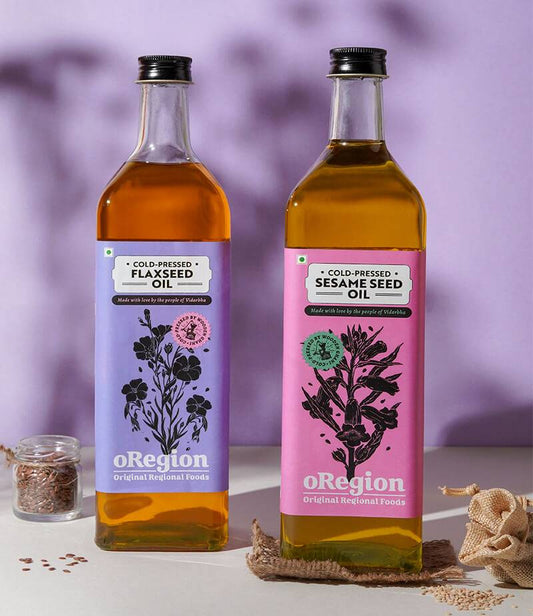
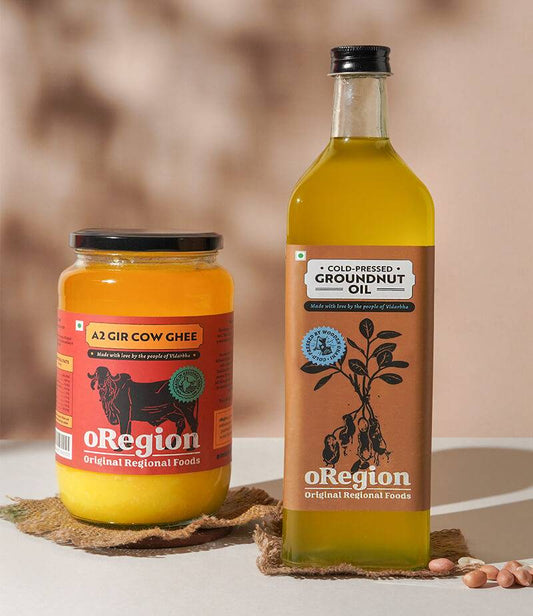
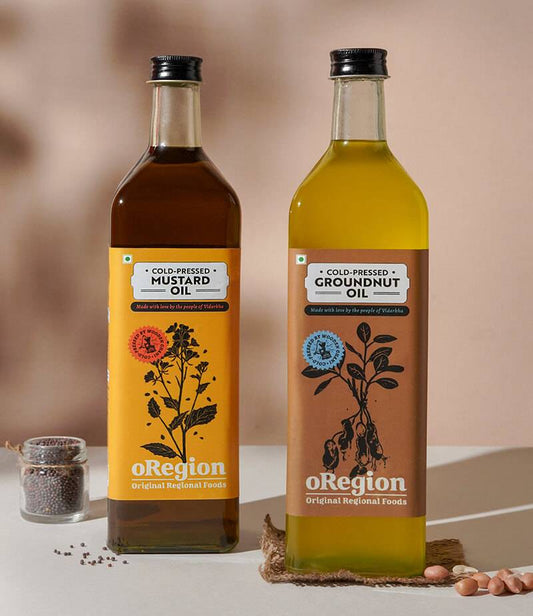
When A2 ghee is used as the primary cooking fat, supporting oils can be added strategically.
How to Choose the Best A2 Ghee in India
With the increasing popularity of A2 products, the market has become crowded with misleading labels. Identifying authentic A2 Gir cow ghee requires careful evaluation beyond marketing claims.
Key Quality Indicators to Look For
-
Verified sourcing from A2 Gir cows, not mixed breeds
-
Traditional Bilona preparation, not cream-based extraction
-
Absence of preservatives, artificial flavors, colors, or fragrances
True A2 bilona ghee typically has:
-
A naturally granular texture at lower temperatures
-
A golden-yellow hue, influenced by beta-carotene in grass-fed milk
-
A mild, pleasant aroma, not overpowering or perfumed
Understanding A2 Ghee Price
The price of Gir cow ghee often raises questions, but higher pricing reflects real production realities:
-
Gir cows produce lower milk yield, but higher-quality A2 milk
-
Ethical farming emphasizes animal welfare over volume
-
The Bilona method is time-intensive and labor-heavy
In most cases, a higher A2 ghee price indicates authenticity, not overpricing.
Buying Ghee Online — What to Look For
Trusted Online Ghee Suppliers
When you buy ghee online, transparency is the most important marker of credibility. Reliable suppliers openly share:
-
Milk sourcing and cow breed details
-
Quality testing or batch verification
-
Ethical dairy and production practices
Opaque websites, vague sourcing claims, or unusually low prices often signal compromised quality.
Why oRegion Gir Cow Ghee Stands Out
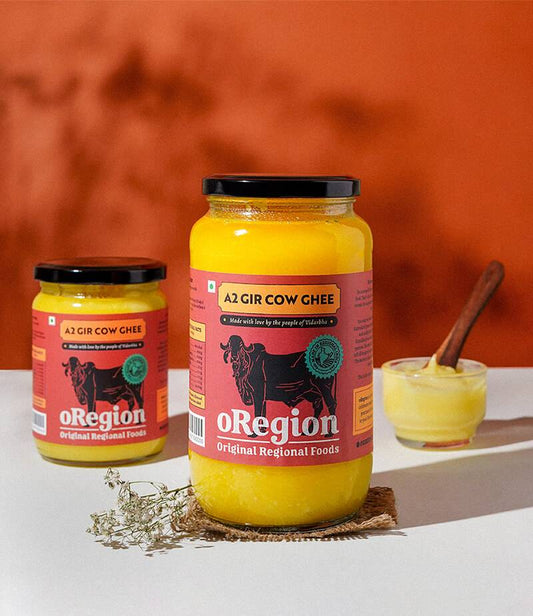
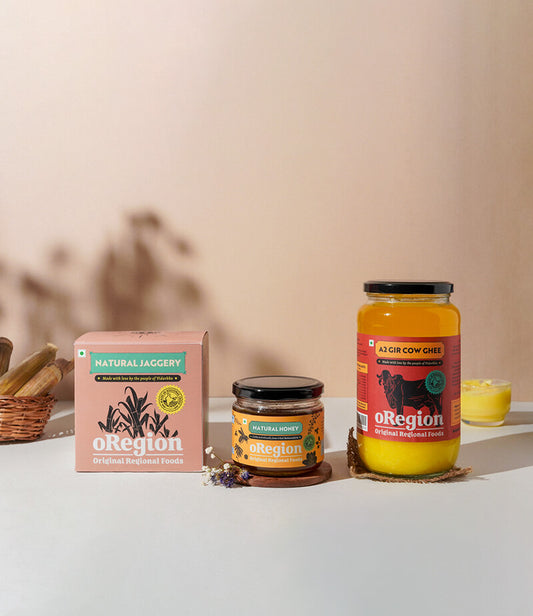
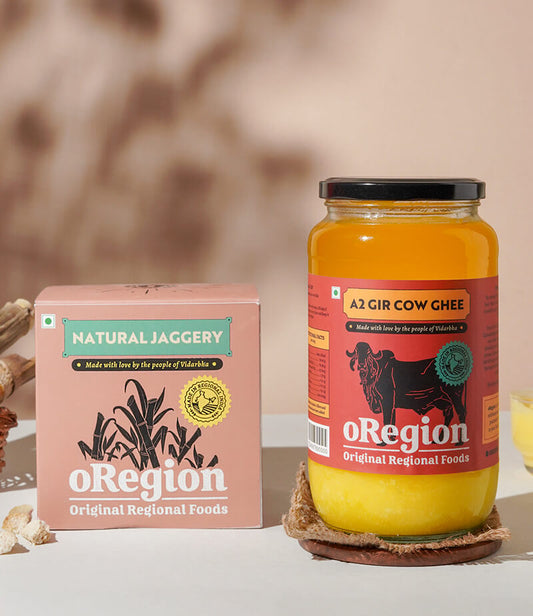
oRegion ghee uses A2 Gir cow milk, adheres strictly to the Bilona method, and avoids industrial shortcuts. Their product philosophy respects both Ayurvedic tradition and modern nutritional science.
Additionally, unique offerings like Betel Leaf oRegion and Betel Leaf ghee enhance functional nutrition, placing oRegion among strong contenders for the Best Ghee Brand in India.
Ghee for Different Life Stages
Ghee for Kids
During growth years, ghee supports brain development, immune function, and the absorption of fat-soluble vitamins essential for cognitive and physical growth.
Ghee for Women
For women, A2 Gir cow ghee supports hormonal balance, bone strength, and metabolic stability, especially during pregnancy, postpartum recovery, and menopause.
Ghee for Men
Men benefit from ghee’s role in sustained energy production, endurance, and muscular recovery through efficient fat utilization.
FAQs About Ghee
Is ghee healthy or unhealthy?
Ghee is healthy when sourced as pure A2 bilona ghee and consumed in moderation.
Which is the best A2 ghee in India?
The best A2 ghee is made from Gir cows using the Bilona method, such as oRegion Gir Cow Ghee.
What is the A2 Gir cow ghee price?
The price is higher due to ethical dairy practices, traditional processing, and purity.
Can I consume ghee daily?
Yes, 1–2 teaspoons daily suits most healthy individuals.
Is ghee better than refined oil?
Yes. Ghee remains stable at high temperatures and contains no industrial additives.
Conclusion — Ghee’s Scientific Redemption
Ghee was misunderstood for decades because early nutritional science lacked the tools to differentiate natural saturated fats from industrially altered oils. Today, modern research clearly shows that pure A2 Gir cow ghee, especially A2 Gir cow bilona ghee, is a stable, nutrient-dense fat that supports digestion, metabolism, and long-term health when used wisely.
The true power of ghee lies not in excess, but in moderation, authenticity, and traditional craftsmanship. For those planning to buy ghee, trusted brands like oRegion successfully bridge ancient wisdom with scientific validation, proving that genuine nutrition is timeless, not trendy.
Follow us for more wellness tips
👉 Buy Now on oregion.in
📸 Instagram: @oRegion.in
📘 Facebook: facebook.com/oRegionfoods
▶ YouTube: https://www.youtube.com/@oRegion_foods