


Why Some Oils Are Hot and Others Are Not: A Detailed Explanation
By oregion foodsWe’ve all been there, standing in the kitchen, heating oil for tadka, and suddenly it starts smoking. The smell changes, the flavor feels off, and you’re left wondering: Did I just ruin the oil… and the food?
This everyday situation highlights a common confusion: not all Cooking Oils behave the same under heat. Some oils can handle high temperatures easily, while others break down quickly and lose their nutritional value.
The truth is, whether an oil is “hot” or “not hot” depends on three key factors: smoke point, fat composition, and processing method. From cold pressed oil to refined oils, every type reacts differently in your kitchen.
In this guide, we simplify everything, from understanding what is Cold Pressed Oil, to choosing the best oil brand in India and using oils like cold pressed flaxseed oil, mustard oil, and groundnut oil correctly. By the end, you’ll have a practical, easy-to-follow system for healthier cooking.
What Does It Mean When an Oil Is “Hot” or “Not Hot”?
The Real Meaning Behind “Hot Oil” in Cooking
When we say an oil is “hot,” we don’t mean spicy or warm. We mean an oil that can handle high cooking temperatures without breaking down.
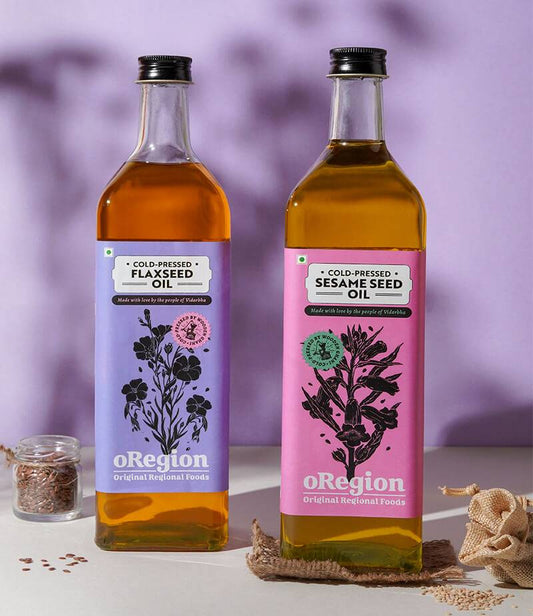
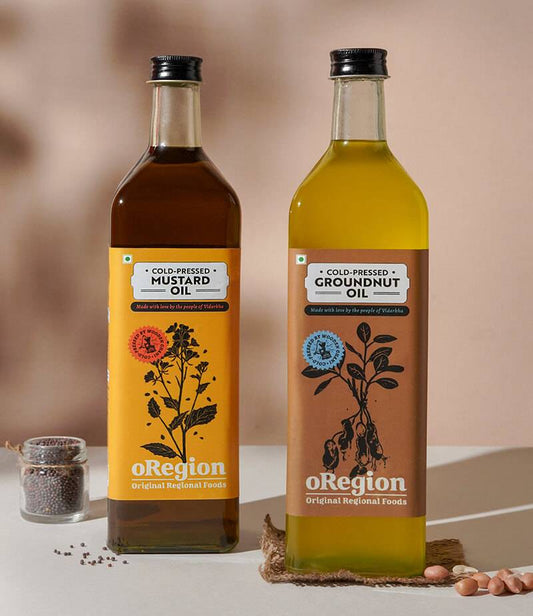
For example, oils like Cold Pressed Mustard Oil or groundnut cold pressed oil can tolerate moderate heat, while delicate oils like flaxseed oil or virgin flaxseed oil should never be heated.
Why Some Oils Burn Quickly While Others Stay Stable
The reason some oils burn quickly while others remain stable lies in one critical factor: the smoke point. This is the temperature at which a cooking oil begins to break down, releasing visible smoke and losing its nutritional value.
When an oil crosses its smoke point, it doesn’t just affect taste; it directly impacts your health. At high temperatures:
-
Essential nutrients get destroyed, including vitamins and antioxidants
-
Flavor turns bitter and unpleasant, affecting the quality of your food
-
Harmful compounds and toxins may form, which can negatively impact long-term health
This is why understanding the behavior of different oils, especially cold pressed oil, mustard oil, and groundnut oil, is essential for every modern kitchen.
The First Sign Your Oil Is Not Suitable for High Heat
Your oil always gives warning signs before it becomes harmful. You just need to notice them.
Here’s what to watch for:
-
Visible smoke rising from the pan
-
A sharp, burnt, or pungent smell
-
A noticeable change in taste and texture
Once your oil reaches this stage, it is no longer healthy. Continuing to cook with overheated oil destroys the very benefits you expect from using high-quality oils like cold pressed mustard oil or groundnut cold pressed oil.
Smoke Point Explained in the Simplest Way
What Is Smoke Point and Why Does It Matter for Health
The smoke point is the temperature at which oil starts to degrade and lose its natural properties. Each oil has a different smoke point depending on how it is processed and its fat composition.
For example:
-
Cold pressed flaxseed oil → Very low smoke point (best for raw use)
-
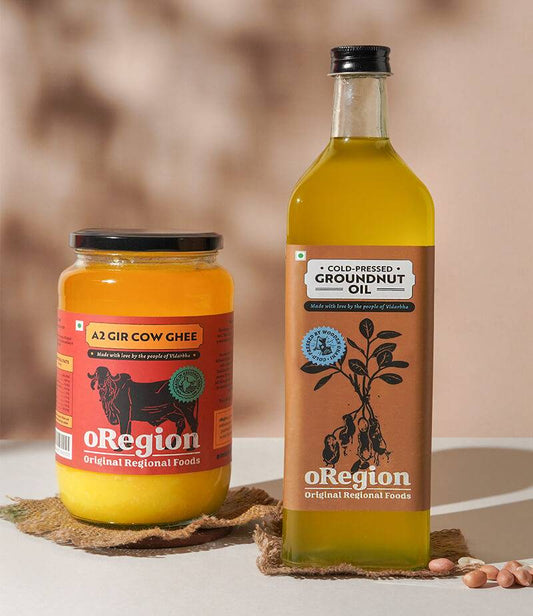
Cold pressed groundnut oil → Medium to high smoke point (ideal for daily cooking)
-
Kachi ghani mustard oil → Moderate smoke point (good for traditional Indian cooking)
Choosing the right oil based on your cooking method ensures that you retain Flaxseed Oil Benefits, maintain nutrition, and avoid harmful compounds.
What Happens Inside the Oil When It Gets Too Hot
When oil overheats beyond its smoke point, a chemical breakdown begins. This is not visible immediately, but it has serious consequences.
Inside the oil:
-
Fat molecules break apart and oxidize
-
Delicate nutrients like omega-3 fatty acids are destroyed
-
Toxic aldehydes and harmful compounds begin to form
This is especially important for oils like Cold Pressed Flaxseed Oil, which is rich in omega 3 rich oil properties but extremely sensitive to heat.
Formation of Free Radicals and Nutrient Loss
One of the biggest risks of overheated oil is the formation of free radicals. These unstable molecules can damage healthy cells in the body and contribute to long-term health issues.
When oils like virgin flaxseed oil or vegan flaxseed oil are exposed to heat:
-
Their powerful antioxidants are lost
-
Their omega-3 supplement benefits are reduced
-
Their protective health properties diminish
This is why proper usage of oils is just as important as choosing the Best Flaxseed Oil Brand in India.
Why Overheated Oil Is Worse Than No Oil
Using burnt or degraded oil is often worse than using less oil. It not only removes health benefits but may also introduce harmful compounds into your food.
Overheated oil can:
-
Reduce flaxseed oil benefits for female health, including hormonal balance
-
Impact heart health by increasing oxidative stress
-
Affect digestion and metabolism
In simple terms, the wrong use of even the Best Cold Pressed Oil Brand in India can turn a healthy ingredient into a harmful one.
The Real Reason Smoke Points Differ Between Oils
Processing Method – Refined vs Cold Pressed Oils
The way oil is extracted plays a major role in how it behaves under heat.
Why Refined Oils Have Higher Smoke Points
Refined oils undergo heavy processing using chemicals and high heat. This removes impurities and increases their smoke point.
As a result:
-
They can withstand high-temperature cooking like deep frying
-
They have a neutral taste and a longer shelf life
-
But they lose most of their natural nutrients
This is why refined oils are commonly used in commercial cooking but are not considered the best healthy oil brand in India for long-term health.
Why Cold Pressed Oils Are Nutrient-Rich but Heat-Sensitive
Cold pressed oil means oil extracted naturally without using heat or chemicals. This preserves its natural goodness.
Benefits include:
-
High levels of antioxidants and vitamins
-
Retention of omega 3 fatty acids, especially in cold pressed flaxseed oil
-
Rich aroma and authentic taste
However, these oils are more sensitive to heat, which is why they must be used carefully.
Fat Composition – The Science Most People Don’t Know
Saturated Fats (Most Heat Stable)
These fats are highly stable and resist heat. However, excessive consumption may not be ideal for daily use.
Monounsaturated Fats (Balanced Stability)
Oils like groundnut oil fall into this category. They offer a good balance between stability and health, making them ideal for daily cooking.
Polyunsaturated Fats (Very Sensitive to Heat)
These include oils like flaxseed oil, which are rich in flaxseed omega-3 fatty acids. While extremely beneficial for health, they are highly unstable at high temperatures and should always be consumed raw.
Why Natural Sediments Make a Difference
What Happens in Unrefined Oils During Heating
Unrefined oils such as wood pressed oil or cold pressed mustard oil may contain natural particles and sediments.
When heated excessively:
-
These particles can burn faster
-
The oil may degrade quicker than refined oils
-
Flavor and aroma can change rapidly
This is why understanding the correct temperature for each oil is essential.
Complete Temperature Guide for Cooking Oils
High Heat Cooking (Deep Frying, Tadka, Stir Fry)
Which Oils Work Best
-
Cold pressed groundnut oil
-
Mustard oil cold pressed
These oils offer better stability compared to delicate oils.
Why Cold Pressed Oils Should Not Be Used for High Heat Cooking
While cold pressed oil is often considered the best healthy oil brand in India for its natural extraction and nutritional richness, not all cold pressed oils are suitable for every cooking method, especially high-heat cooking like deep frying or aggressive tadka.
Highly sensitive oils such as cold-pressed flaxseed oil, virgin flaxseed oil, and omega-3-rich oils contain delicate nutrients that are extremely vulnerable to heat. When exposed to high temperatures:
-
Omega 3 fatty acids break down almost instantly
-
Antioxidants get destroyed, reducing health benefits
-
Oil structure changes, forming harmful compounds
For example, flaxseed and flaxseed oil, also known as alsi ka tel, is one of the richest plant-based sources of vegan omega 3. However, heating it eliminates its core benefits and may even make it harmful.
This is why oils like cold pressed flax oil should never be used for frying, roasting, or high flame cooking. Instead, they should be preserved for raw or low-heat applications to retain their nutritional integrity.
Medium Heat Cooking (Daily Sabzi and Indian Meals)
Oils That Offer Both Health and Stability
For everyday Indian cooking—such as sabzi, dal, and light sautéing—you need oils that offer a balance between stability and nutrition. This is where traditional oils shine.
The most suitable options include:
-
Cold pressed mustard oil (kachi ghani mustard oil)
These oils have a moderate smoke point and are rich in beneficial compounds, making them ideal for daily cooking.
The Best Oils for Everyday Indian Cooking
In Indian households, cooking involves medium heat for longer durations. Oils like cold pressed mustard oil and Best Sesame Oil are perfectly suited because:
-
They retain nutrients even at moderate heat
-
They enhance the natural flavor of food
-
They support digestion and metabolism
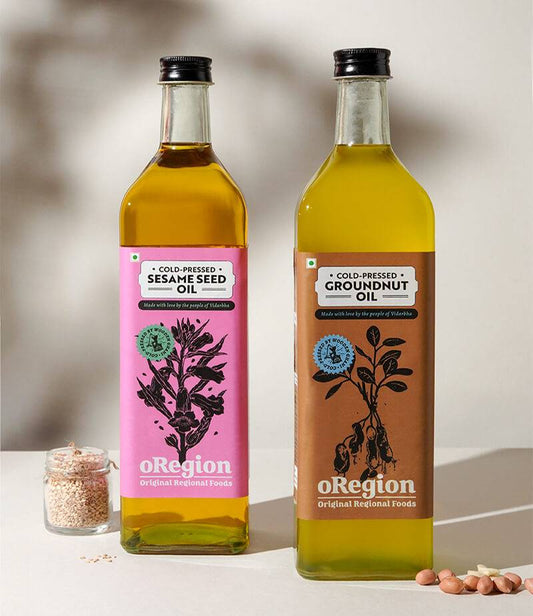
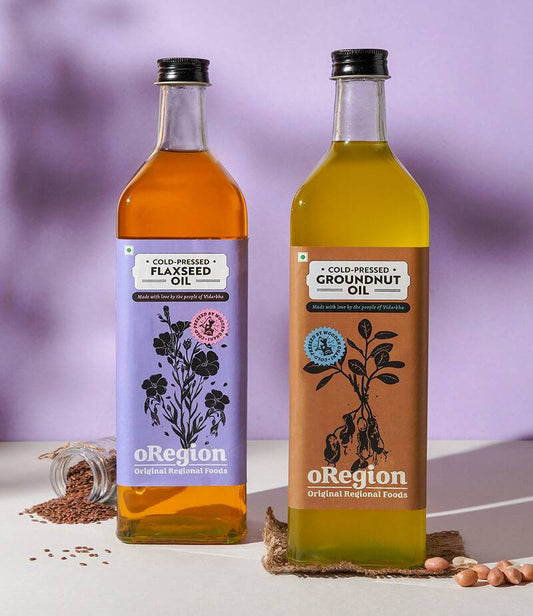
Using high-quality options such as oRegion Cold Pressed Groundnut Oil or oRegion cold pressed mustard oil ensures you get both taste and health benefits in your daily meals.
Additionally, groundnut oil benefits include a good balance of monounsaturated fats, making it one of the best cold pressed oil choices for cooking.
Low Heat or No-Heat Cooking (Health-Focused Use)
Oils That Should Always Be Used Raw
Certain oils are designed not for cooking, but for nutrition enhancement. These oils should always be used in their raw form to preserve their benefits.
The most important examples include:
-
Cold pressed flaxseed oil
-
Vegan flaxseed oil
-
Omega 3 vegan flaxseed oil
These oils are extremely rich in flaxseed omega 3 fatty acids, which are essential for heart health, brain function, and hormonal balance.
The Most Nutrient-Rich Oils for Modern Diets
Modern lifestyles demand nutrition that goes beyond basic calories. Oils like cold pressed flaxseed oil provide:
-
High levels of omega 3 fatty acids
-
Support for heart health and cholesterol balance
-
Benefits for skin, hair, and hormonal health, especially important in flaxseed oil benefits for female health
These oils are best consumed through:
-
Salads and dressings
-
Smoothies and detox drinks
-
Direct consumption (1 teaspoon daily)
This makes flaxseed oil usage an essential part of a balanced, health-conscious diet.
Why a Multi-Oil Strategy Is the Smartest Approach
One of the biggest mistakes people make is trying to use one single cooking oil for everything. In reality, no oil can meet all cooking and nutritional needs.
A smarter approach is to combine oils based on their strengths:
-
Use cold pressed mustard oil or Groundnut Oil for Cooking
-
Use sesame oil for flavor and medium heat balance
-
Use flaxseed oil as a finishing or raw oil for nutrition
This combination ensures you benefit from:
-
Stability during cooking
-
Nutritional richness after cooking
-
A complete intake of essential fatty acids
This is the approach followed by people who prioritize clean eating and natural health.
FAQs – Cooking Oil, Cold Pressed Oil & Flaxseed Oil
Q1. What is cold pressed oil?
Cold pressed oil is extracted without heat, preserving nutrients and flavor.
Q2. Can flaxseed oil be used for cooking?
No, flaxseed oil usage is best for raw consumption.
Q3. Which is the best cold pressed oil brand in India?
Brands like oRegion are known for purity and quality.
Q4. What are flaxseed oil benefits?
It supports heart health, skin, hair, and provides vegan omega 3.
Q5. What is the cost of flaxseed oil?
The flaxseed oil price varies depending on quality and extraction method.
Conclusion – The Smart Way to Use Cooking Oils
Understanding how different oils behave under heat is no longer optional; it is essential for maintaining long-term health and nutrition.
When you choose oils wisely:
-
You preserve essential nutrients like omega-3 fatty acids
-
You enhance the taste and quality of your food
-
You avoid harmful compounds that form due to overheating
The key principle is simple yet powerful:
👉 Use stable oils like groundnut oil and Mustard Oil for Cooking
👉 Use delicate oils like flaxseed oil only in raw form
By adopting this balanced and informed approach, you not only improve your daily meals but also take a major step toward better health.
Choosing a trusted cold-pressed oil brand in India, like oRegion, ensures you use oils that are pure, chemical-free, and nutrient-rich, exactly what your body needs.
In the end, it’s not about using more oil, it’s about using the right oil, in the right way, at the right temperature.
Small, conscious choices in your kitchen today can create powerful health benefits for years to come.
Follow us for more wellness tips
👉 Buy Now on oregion.in
📸 Instagram: @oRegion.in
📘 Facebook: facebook.com/oRegionfoods
▶ YouTube: https://www.youtube.com/@oRegion_foods