



How Much Ghee Is Healthy Per Day? Nutritionist Insights You Should Know
By oregion foodsGhee has been a trusted part of Indian kitchens for centuries, but in today’s health-conscious world, one question keeps coming up: how much ghee is actually healthy per day? It's important to understand not just quality but also quantity.
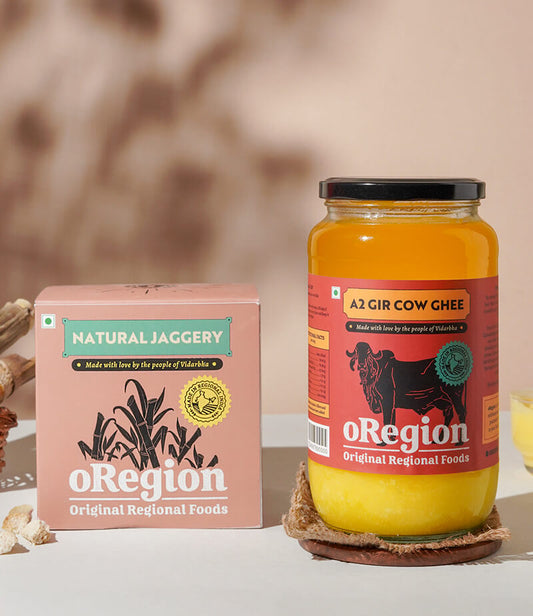
In this detailed guide, we explore nutritionist-backed insights, Ayurvedic wisdom, and modern dietary science to help you find the perfect balance. Whether you are looking for the Best Ghee, checking A2 Gir Cow Ghee Price, or choosing Pure A2 Ghee, this article will help you make smarter and healthier choices.
The Role of Desi Ghee in Traditional Indian Diets
Why Ghee Has Always Been a Staple in Healthy Indian Cooking
For generations, ghee has been more than just a cooking ingredient—it has been a symbol of nourishment, tradition, and wellness in Indian households. From freshly made rotis topped with warm gir ghee to aromatic dals tempered with Bilona Ghee, this golden fat has played a central role in everyday meals. Unlike modern refined oils that undergo heavy processing, traditional ghee retains its natural nutrients and rich flavor.
In earlier times, families would prepare ghee at home using curd-based methods, ensuring purity and freshness. Today, as more people look to Buy Ghee or explore online ghee options, the focus is returning to authenticity and quality. Pure Gir Cow Ghee continues to be preferred for its balanced nutrition, making it one of the best ghee choices for daily consumption in India.
Cultural and Ayurvedic Significance of Desi Ghee
In Ayurveda, ghee is considered a sattvic food, meaning it promotes mental clarity, emotional balance, and physical vitality. It is often used in Ayurvedic therapies, herbal preparations, and detox practices like Panchakarma. High-quality A2 Bilona ghee is especially valued because it is prepared using traditional methods that preserve its healing properties.
Ghee as a Symbol of Nourishment and Vitality in India
In Indian culture, food prepared with ghee is often associated with love, care, and prosperity. Whether it’s Desi Gir Cow Ghee used in festive sweets or Organic A2 Cow ghee, added to daily meals, represents strength and nourishment. Even today, many households consider ghee an essential part of a balanced diet.
How Traditional Diets Used Ghee in Balanced Portions
One important aspect often overlooked is moderation. Traditionally, ghee was never overused. Instead, it was added in small quantities—typically 1–2 teaspoons per meal, to enhance taste and nutrition without increasing calorie load. This balanced approach ensured people enjoyed the benefits of ghee without negative health effects.
Read More: Ghee Affects Shelf Life and Why Proper Storage Matters
How Much Ghee Is Healthy Per Day? Nutritionist Recommendations
Ideal Daily Intake of Ghee for Adults in India
According to most nutritionists, the ideal daily intake of ghee depends on lifestyle and dietary habits. For a typical adult in India, 1–2 teaspoons of ghee per day is considered healthy. Individuals with higher physical activity levels can consume up to 2–3 teaspoons daily.
This recommendation applies regardless of whether you are consuming Best A2 Cow Ghee, Pure Gir Cow Ghee, or any other high-quality ghee.
Ghee Consumption Based on Lifestyle and Activity Level
Your daily ghee intake should align with your activity level. Those with a sedentary lifestyle should limit their intake, while active individuals or athletes can include slightly more ghee in their diet to meet energy requirements.
Portion Control Tips for Daily Ghee Usage
To maintain balance, it is important to control portions. Use ghee as a finishing ingredient rather than a cooking base, measure your intake instead of guessing, and always combine it with nutrient-rich foods like vegetables, grains, and proteins.
How Much Desi Ghee Is Too Much?
Signs You May Be Consuming Excess Ghee
While ghee offers many health benefits, overconsumption can lead to issues such as weight gain, digestive discomfort, and increased cholesterol levels. Even the best ghee in India can cause problems if consumed excessively.
Impact of Overconsumption on Weight and Metabolism
Ghee is calorie-dense, providing approximately 9 calories per gram. Excess intake—even of premium products with a higher A2 cow ghee price—can contribute to fat accumulation and metabolic imbalance if not balanced with physical activity.
Balancing Calorie Intake with Healthy Fats
A balanced diet includes the right proportion of fats, proteins, and carbohydrates. Ghee should complement your meals, not dominate them. Pairing it with fiber-rich foods and proteins can help maintain overall health.
Understanding Moderation in Modern Diets
In today's lifestyle, where physical activity often falls short, moderation assumes greater significance. Whether you buy ghee online or purchase it locally, mindful consumption ensures long-term benefits.
Read More: What Happens If You Eat Ghee Daily for 30 Days?
Desi Ghee in Ayurveda: A Natural Source of Healthy Fats
Supporting Digestion and Nutrient Absorption with Ghee
One of the key benefits of ghee is its ability to support digestion. It stimulates digestive enzymes and helps in the smooth functioning of the gastrointestinal system. This is why A2 Cow Bilona Ghee is often recommended in Ayurvedic diets to improve gut health.
The Science Behind Fat-Soluble Vitamins in Ghee
Ghee is rich in essential fat-soluble vitamins such as A, D, E, and K. These vitamins play a crucial role in maintaining immunity, bone health, skin health, and overall vitality. When sourced from high-quality Gir Cow Ghee, the nutrient profile becomes even more beneficial.
Why Ayurveda Recommends Moderate Daily Ghee Intake
Ayurveda always emphasizes balance. Even when consuming the Best A2 Gir Cow Ghee in India, moderation is key. Excess intake can disturb digestion and metabolism, while the right amount can enhance energy, immunity, and overall well-being.
Understanding Desi Ghee Benefits Without Overconsumption
Nutritional Profile of Ghee: What Makes It a Superfood?
Ghee is often referred to as a superfood due to its dense nutritional profile. It contains healthy fats, antioxidants, and essential nutrients that support overall health. Premium options like oRegion Ghee and Organic A2 Desi Cow Ghee are known for their purity and high nutritional value.
Essential Vitamins and Fatty Acids in Pure Ghee
Ghee contains a powerful combination of nutrients, including omega fatty acids, butyric acid, and fat-soluble vitamins. Butyric acid, in particular, is known for its anti-inflammatory properties and its role in supporting gut health. These nutrients make Pure A2 Ghee an excellent addition to a balanced diet.
How Ghee Supports Gut Health and Metabolism
Regular consumption of A2 Gir Cow Bilona Ghee can improve digestion by nourishing the intestinal lining and supporting beneficial gut bacteria. This helps in better metabolism and nutrient absorption, making it easier for the body to utilize the food we eat.
Comparing Ghee with Other Healthy Fats
When compared to refined oils, ghee stands out as a more natural and minimally processed option. While oils may contain trans fats or chemical residues, gir ghee offers a cleaner and more traditional source of fat, making it one of the best ghee options for health-conscious individuals.
Read More: Doctors Once Warned Against Ghee
Ayurvedic Guidelines for Ghee Consumption
Seasonal and Body-Type Based Ghee Intake
According to Ayurveda, ghee is not just a food; it is a therapeutic ingredient that must be consumed based on Ritu (season) and Prakriti (body constitution). This personalized approach is what makes Ayurvedic nutrition highly effective and sustainable.
In winter (Hemant and Shishir Ritu), the digestive fire (Agni) is naturally stronger. This means the body can process slightly higher amounts of Ghee, making it an ideal time to include nutrient-rich options like A2 Gir Cow Ghee or A2 Cow Bilona Ghee in daily meals. Ghee during winter helps lubricate joints, nourish tissues, and provide warmth and sustained energy.
In contrast, during the summer (Grishma Ritu), the digestive fire becomes weaker due to heat. Ayurveda recommends lighter consumption of ghee to avoid heaviness and sluggish digestion. Even when choosing high-quality options like organic A2 cow ghee or Pure A2 Ghee, the quantity should be reduced and paired with light, cooling foods.
Body type also plays a crucial role:
-
Vata Dosha (dry, cold nature): Benefits the most from ghee due to its lubricating and grounding properties.
-
Pitta Dosha (hot nature): Ghee helps cool the system, but should be used in moderation.
-
Kapha Dosha (heavy, slow metabolism): Should consume ghee sparingly to avoid weight gain and sluggishness.
This tailored approach ensures that ghee supports balance rather than causing imbalance in the body.
Read More: Traditional Ghee: Science, Fats & Oxidative Stress
Adjusting Ghee Intake for Summer vs Winter
Seasonal eating is a cornerstone of Ayurveda, and ghee intake should align with it. In winter, adding a teaspoon of Desi Gir Cow Ghee to meals like khichdi, dal, or roti helps enhance warmth and immunity. The colder months often affect skin hydration, and ghee intake can help support it.
In summer, however, the focus shifts to lightness and hydration. Using smaller quantities of Organic A2 Desi Cow Ghee in meals prevents digestive overload. Instead of heavy cooking, ghee can be used as a finishing touch, drizzled over steamed vegetables or mixed into warm rice.
Scientific understanding also supports this approach. Since ghee is calorie-dense, consuming it in excess during hot weather, when physical activity may be lower, can lead to unnecessary weight gain and digestive discomfort. Thus, adjusting intake seasonally helps maintain metabolic balance.
Personalized Ghee Consumption for Optimal Health
No single quantity of ghee works for everyone. Personalized nutrition is key, and Ayurveda emphasizes listening to your body. Factors like age, metabolism, activity level, and health conditions should guide your daily intake.
For example:
-
A physically active individual or athlete may benefit from a slightly higher intake of Best A2 Cow Ghee for sustained energy.
-
Someone with a sedentary lifestyle should limit intake to avoid excess calorie consumption.
-
Individuals with digestive issues may benefit from small, consistent amounts of A2 Bilona Ghee, as it supports gut healing.
By understanding your body’s needs, you can use ghee as a powerful ally in achieving long-term wellness.
Read More: Fake Ghee vs A2 Bilona Ghee: Know the Truth
Desi Ghee and Heart Wellness
Is Ghee Good or Bad for Heart Health?
The debate around ghee and heart health has been ongoing for years. The truth lies in balance and quality. Moderate consumption of Pure A2 Ghee can be part of a heart-healthy diet, especially when combined with whole foods, regular exercise, and a balanced lifestyle.
Recent studies suggest that traditional fats like ghee, when consumed in controlled amounts, may not be as harmful as once believed. In fact, they may offer certain benefits when compared to highly processed fats.
Understanding Saturated Fats in Ghee
Ghee contains saturated fats, but it is important to understand that not all saturated fats behave the same way. The fats in Gir cow ghee are naturally occurring and include short-chain and medium-chain fatty acids, which are easier to digest and metabolize.
Additionally, ghee contains butyric acid, a compound known for its anti-inflammatory properties and its role in supporting gut health. Unlike trans fats found in processed foods, the fats in Best Ghee in India are stable at high cooking temperatures, making ghee a safer option for cooking.
Difference Between Natural Ghee and Processed Fats
One of the biggest advantages of traditional ghee is its purity. Unlike refined oils that undergo chemical processing, bleaching, and deodorizing, Best A2 Bilona Ghee in India is prepared using time-tested methods that preserve its nutritional value.
Processed fats often contain additives, preservatives, and unhealthy trans fats that can negatively impact heart health. In contrast, natural ghee, especially when sourced from trusted brands like oRegion Ghee, offers a clean and wholesome alternative.
Scientific Insights on Ghee and Cholesterol
Modern research indicates that moderate consumption of ghee does not necessarily increase hazardous cholesterol (LDL) when part of a balanced diet. In some cases, it may even help improve the ratio of good cholesterol (HDL) to bad cholesterol.
However, excessive intake, regardless of quality, can lead to increased calorie intake and potential health risks. This is why understanding portion control is essential, even when consuming premium options with a higher A2 cow ghee price.
Read More: Bilona Ghee Benefits for Women
Ghee vs Processed Oils: Which Is Healthier?
Pure Ghee vs Market Ghee – Key Differences
The difference between pure ghee and market ghee lies in quality, sourcing, and processing. Pure ghee, especially Pure Gir Cow Ghee, is made from high-quality milk and traditional methods, ensuring maximum nutrient retention.
Market ghee, on the other hand, may include blended fats or additives that compromise its quality. This is why many health-conscious consumers prefer to buy ghee from trusted sources or explore reliable online ghee options.
Why Quality Matters When You Buy Ghee
When comparing ghee prices, it is important to look beyond cost. High-quality ghee requires time, effort, and superior raw materials, which naturally increases its price.
Choosing cheaper alternatives may save money in the short term but can compromise health. Investing in Best Ghee ensures better nutrition, taste, and long-term benefits.
Choosing the Right Ghee for Heart Wellness
For heart health, the focus should be on purity and moderation. Selecting trusted products like oRegion Gir Cow Ghee ensures that you are consuming clean, high-quality fat that supports overall wellness.
Read More: Nutrition Recommend Ghee for High-Fat, Low-Carb Diets
A2 Ghee vs Regular Ghee: What Should You Choose?
What Is A2 Ghee and Why It Is Trending in India
A2 ghee is made from the milk of indigenous cow breeds like Gir cows, which produce A2 beta-casein protein. This type of ghee, often labeled as A2 Ghee Gir Cow, is believed to be easier to digest and more compatible with the human body.
This growing awareness has increased demand for the best A2 Gir cow ghee in India, especially among health-conscious consumers.
Benefits of A2 Bilona Ghee for Daily Nutrition
A2 Bilona ghee is prepared using the traditional bilona method, where curd is churned to extract butter and then slowly heated to make ghee. This process preserves nutrients and enhances digestibility.
Regular consumption of A2 Gir Cow Bilona Ghee can:
-
Support digestion
-
Improve energy levels
-
Enhance nutrient absorption
Understanding Gir Cow Ghee and Its Purity
Gir cows are known for producing high-quality milk, which results in superior ghee. Pure Gir cow ghee is rich in nutrients and has a distinct aroma and texture, making it a preferred choice for those seeking authenticity.
Why A2 Ghee Is Considered Premium Quality
The higher Gir cow ghee price or A2 Gir cow ghee price reflects the quality of milk, traditional production methods, and limited availability. Unlike mass-produced ghee, A2 ghee focuses on purity and nutrition rather than quantity.
Conclusion: How Much Ghee Should You Consume Daily?
Final Nutritionist Advice on Ghee Intake
After considering both Ayurvedic wisdom and modern nutritional science, the ideal daily intake of ghee for most adults is around 1–2 teaspoons. This amount provides essential nutrients without contributing to excess calorie intake.
Balancing Taste, Health, and Moderation
Ghee enhances flavor, improves digestion, and provides energy, but only when used wisely. Overconsumption can lead to weight gain and metabolic imbalance, while moderate use supports overall health.
Why Quality Ghee Is Better Than Quantity
Instead of focusing on consuming more, it is far more beneficial to choose high-quality options like Best A2 Cow Ghee, Pure A2 Ghee, or oRegion Ghee. Even small quantities of pure ghee can deliver significant health benefits.
Smart Choices for Long-Term Wellness
For sustainable health, focus on three key principles:
-
Moderation in daily intake
-
High-quality sourcing when you Buy Ghee
-
Consistency in healthy eating habits
Whether you are exploring Ghee Online, comparing Gir Ghee prices, or searching for the best ghee in India, always prioritize authenticity and purity.
By combining traditional wisdom with modern awareness, we can continue to enjoy the rich benefits of ghee, while maintaining a balanced and healthy lifestyle for years to come.
Follow us for more wellness tips
👉 Buy Now on oregion.in
📸 Instagram: @oRegion.in
📘 Facebook: facebook.com/oRegionfoods
▶ YouTube: https://www.youtube.com/@oRegion_foods
👉 Shop Globally on Distacart & PushMyCart