




How Long Does It Take to Convert Land into Organic Farming?
By oregion foodsIndia’s agricultural sector is witnessing a major transformation. Over the last few years, rising input costs, declining soil fertility, and increasing health awareness among consumers have encouraged many farmers to move towards organic farming and natural farming methods. Today, people are becoming more conscious about what they eat and how their food is produced.
Traditional Indian agriculture was naturally sustainable for centuries. However, excessive dependence on chemical fertilizers and pesticides after the Green Revolution gradually weakened soil quality and ecological balance. Now, both farmers and consumers are rediscovering the value of sustainable agriculture.
Rising Shortage of Chemical Fertilizers and Increasing Farming Costs
Farmers across India often face shortages of urea, DAP, and potash during peak farming seasons. At the same time, prices of fertilizers, pesticides, diesel, and irrigation are continuously increasing. Many small farmers struggle to maintain profitability because chemical farming demands repeated external inputs every season.
As soil becomes dependent on chemicals, farmers are forced to use even larger quantities to achieve the same yield. This cycle increases debt, reduces soil productivity, and affects long-term sustainability.
Prime Minister Pushes for Natural and Organic Farming in India
Prime Minister has repeatedly encouraged Indian farmers to adopt natural farming and reduce dependency on chemicals. Government initiatives promoting organic agriculture, natural farming clusters, and sustainable rural development are gaining momentum across states like Gujarat, Maharashtra, Sikkim, and Andhra Pradesh.
Programs supporting cow-based farming, biofertilizers, and residue-free agriculture are helping farmers transition toward environmentally friendly cultivation methods.
Why Consumers Are Choosing Organic Food Over Chemically Grown Produce
Modern consumers are becoming more aware of pesticide residues and artificial additives in food. Families now prefer organic vegetables, Cold Pressed Oil, A2 Bilona Ghee, raw honey, and natural sweeteners because they are considered safer and more nutritious.
Health-conscious consumers are also prioritizing traditional food systems that support immunity, digestion, and overall wellness.
How Organic Farming Is Becoming the Future of Sustainable Agriculture
Organic farming is not just a trend anymore. It is becoming an important solution for soil degradation, climate change, and declining biodiversity. Sustainable farming methods improve long-term soil health while reducing environmental damage.
Farmers who adopt organic farming practices often experience better soil structure, improved water retention, and reduced dependency on costly external inputs over time.
Can Chemically Treated Land Be Converted Directly Into Organic Land?
Why Direct Conversion Is Not Possible
Land that has been exposed to chemical fertilizers and pesticides for years cannot immediately become organic. The soil needs time to recover biologically and chemically.
Harmful Chemical Residues Present in Soil
Chemical residues may remain in soil and water for months or years depending on usage patterns.
Impact of Pesticides and Synthetic Fertilizers on Soil Microorganisms
Excessive chemical inputs reduce beneficial microbial activity and damage natural nutrient cycles.
Why Soil Needs Time to Recover Naturally
Soil recovery is a gradual process. Earthworms, microbes, fungi, and organic matter must rebuild naturally over time.
Stage 1 — Creating Residue-Free Land Before Organic Farming Begins
What Is Residue-Free Farming Land?
Residue-free land refers to soil where harmful chemical residues are reduced significantly through natural recovery methods.
How Farmers Stop Using Chemical Fertilizers and Pesticides
Farmers gradually discontinue synthetic inputs while introducing organic alternatives.
Natural Methods Used to Detox Soil
Green Cover Cropping
Cover crops improve soil structure and absorb leftover nutrients.
Vermicomposting
Earthworms convert organic waste into nutrient-rich compost.
Cow Dung and Cow Urine-Based Inputs
Traditional Indian farming uses cow-based preparations to improve microbial activity.
Biofertilizers and Microbial Cultures
Beneficial microorganisms help restore soil fertility naturally.
How Long Does the Residue-Free Stage Take?
For most farms, the residue-free transition stage takes approximately 1–2 years depending on previous chemical usage and soil condition.
Common Challenges Farmers Face During Initial Conversion
Yield Reduction in Initial Years
Temporary yield decline is common during the transition period.
Increased Labor Requirements
Organic farming often requires more manual monitoring and field management initially.
Weed and Pest Management Difficulties
Farmers need time to learn natural weed and pest management techniques.
Stage 2 — Increasing Organic Matter and Making Soil Fertile Naturally
Why Organic Matter Is the Heart of Organic Farming
Organic matter improves nutrient retention, water-holding capacity, and microbial activity.
How Soil Becomes Weak Due to Chemical Farming
Continuous chemical usage reduces soil carbon and weakens natural fertility.
Methods to Improve Soil Organic Carbon Naturally
Composting and Farm Waste Recycling
Organic waste recycling improves soil nutrition sustainably.
Crop Rotation and Mixed Cropping
Diverse cropping patterns maintain ecological balance.
Mulching Techniques for Moisture Retention
Mulching protects soil from erosion and moisture loss.
Use of Jeevamrut, Beejamrut, and Panchgavya
Traditional Indian organic farming practices use microbial-rich natural formulations.
How Earthworms and Microorganisms Restore Soil Fertility
Earthworms improve aeration while microorganisms decompose organic matter into usable nutrients.
Why It Takes 3–4 Years to Convert Chemical Land Into Organic Land
The complete transition from chemical farming to stable organic farming usually takes 3–4 years.
Soil Recovery Timeline Explained
The first year focuses on detoxification, the second on soil rebuilding, and later years on stabilization.
Organic Certification Waiting Period
Many certification systems require a 36-month transition period before crops can be labeled organic.
Climate and Soil Conditions That Affect Conversion Time
Climate, rainfall, temperature, and soil type influence recovery speed.
Stage 3 — Transition From Organic Farming to Natural Farming
Why Organic Farming Is Not the Final Stage
Many experts believe organic farming is an important step toward fully natural ecosystems.
What Makes a Farm Truly Natural?
A natural farm works in harmony with biodiversity, local ecology, and traditional farming wisdom.
Building a Complete Ecosystem on the Farm
Role of Trees and Native Plants
Trees improve biodiversity, reduce erosion, and support pollinators.
Importance of Birds, Bees, and Beneficial Insects
Pollinators and beneficial insects help control pests naturally.
Integration of Animals in Farming Systems
Animals contribute manure, microbial diversity, and ecological balance.
Soil, Water, Air, and Biodiversity Balance
Natural farming focuses on total ecosystem harmony.
Understanding Ecological Equilibrium in Natural Farming
Balanced ecosystems naturally regulate pests, moisture, and fertility cycles.
How Natural Farming Reduces External Dependency Completely
Natural farming minimizes dependence on purchased fertilizers and pesticides.
What Is Organic Farming? Meaning, Definition, and Core Principles
Simple Definition of Organic Farming
Organic farming is a method of agriculture that avoids synthetic fertilizers, chemical pesticides, herbicides, and genetically modified organisms (GMOs). Instead, it focuses on natural methods to improve soil fertility, protect biodiversity, and grow healthier food.
Main Objectives of Organic Agriculture
Improving Soil Fertility Naturally
Healthy soil is the foundation of successful organic farming. Organic methods increase soil organic carbon, microbial activity, and nutrient availability naturally.
Reducing Chemical Dependency
Organic farming reduces the need for synthetic chemicals by using compost, cow-based inputs, microbial solutions, and crop diversity.
Protecting Biodiversity and Ecosystems
Organic farms support earthworms, birds, bees, insects, and microorganisms that maintain ecological balance.
Producing Healthier and Safer Food
Organic produce is often preferred because it contains fewer chemical residues and supports healthier lifestyles.
Key Components Used in Organic Farming
Compost and Cow-Based Fertilizers
Farmyard manure, compost, cow dung, and cow urine are widely used to improve soil fertility naturally.
Bio-Enzymes and Microbial Solutions
Biofertilizers and beneficial microbial cultures help improve nutrient availability and soil health.
Crop Rotation and Green Manure
Rotating crops prevents nutrient depletion while green manure enriches soil naturally.
Natural Pest and Weed Management
Neem oil, trap crops, mulching, and biological pest control methods reduce pest damage without harmful chemicals.
Understanding the Difference Between Organic Farming, Natural Farming, and Chemical Farming
What Is Chemical Farming?
Chemical farming uses synthetic fertilizers, pesticides, and herbicides to increase crop production and growth speed.
Advantages of Chemical Farming
-
Faster crop growth
-
Higher short-term yields
-
Easier large-scale farming
Note: The health condition of soil degrades over long-term exposure to chemical fertilizers if not used in proportion
Long-Term Problems Caused by Excessive Chemical Usage
Excessive chemical use damages soil microorganisms, reduces fertility, contaminates groundwater, and increases farming costs.
What Is Organic Farming?
Organic farming eliminates harmful synthetic chemicals while allowing approved organic inputs.
Inputs Allowed in Organic Farming
-
Compost
-
Vermicompost
-
Biofertilizers
-
Organic-certified inputs
-
Botanical pesticides
Certification and Organic Standards Explained
Certified organic farms must follow strict standards for several years before receiving organic certification.
What Is Natural Farming?
Natural farming goes one step beyond organic farming. It aims to create self-sustaining ecosystems with minimal external inputs.
The Philosophy Behind Natural Farming
Natural farming focuses on working with nature rather than controlling it through artificial interventions.
Role of Indigenous Cows and Biodiversity in Natural Farming
Indigenous cows play an important role in preparing Jeevamrut, Beejamrut, and other natural formulations used in farming.
Organic Farming vs Natural Farming vs Chemical Farming — Complete Comparison
Difference in Fertilizers and Inputs
Chemical farming uses synthetic fertilizers, while organic and natural farming depend on natural nutrient sources.
Difference in Soil Health Impact
Organic and natural farming improve soil health, while excessive chemical farming often degrades it.
Difference in Crop Yield and Sustainability
Chemical farming may offer faster initial yields, but organic and natural farming provide better long-term sustainability.
Difference in Cost of Farming
Chemical farming often becomes expensive due to recurring input costs. Natural farming reduces external dependency significantly.
Difference in Certification and Market Value
Certified organic products usually have higher market demand and export value.
Step-by-Step Timeline to Convert Land Into Organic and Natural Farming
Year 1 — Chemical-Free Transition Period
Farmers stop chemical usage and begin residue-free farming practices.
Year 2 — Soil Recovery and Organic Matter Improvement
Soil biology gradually improves through composting and natural inputs.
Year 3 — Stable Organic Farming Practices
The farm begins producing more stable organic yields.
Year 4 and Beyond — Developing a Self-Sustaining Natural Farm
The farm evolves toward a balanced natural ecosystem.
Benefits of Converting Land Into Organic and Natural Farming
Better Soil Fertility and Long-Term Productivity
Organic matter and microbial diversity improve long-term soil health.
Reduced Farming Costs in the Long Run
Natural farming reduces dependency on expensive external inputs.
Higher Consumer Trust and Market Demand
Organic and residue-free products often attract premium pricing.
Safer Food for Families and Future Generations
Chemical-free farming supports healthier lifestyles.
Improved Water Retention and Climate Resilience
Healthy soil absorbs and retains water more efficiently.
Better Opportunities in Organic Export Markets
Global demand for organic products continues to grow rapidly.
Common Myths About Organic and Natural Farming
“Organic Farming Gives Very Low Yield” — Is It True?
Initial yields may reduce temporarily, but long-term productivity often stabilizes with healthier soil.
“Natural Farming Means No Farming” — Understanding the Reality
Natural farming still requires planning, observation, and ecosystem management.
“Organic Farming Is Too Expensive for Small Farmers”
Many farmers reduce costs significantly after transitioning away from chemical dependency.
“Chemical Farming Produces Faster Results Forever”
Over time, excessive chemical farming can reduce soil productivity and increase costs.
How Indian Consumers Can Support Organic and Natural Farmers
Choosing Certified Organic Products
Consumers can support sustainable agriculture by choosing certified organic and ethically sourced products.
Supporting Ethical and Sustainable Brands
Brands committed to traditional farming practices help strengthen rural ecosystems.
Understanding the Value of Traditional Bilona and Cold-Pressed Products
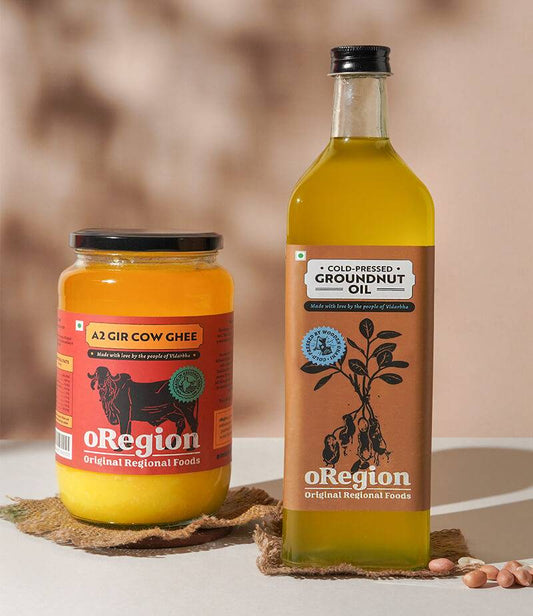
A2 Bilona Ghee and Traditional Nutrition
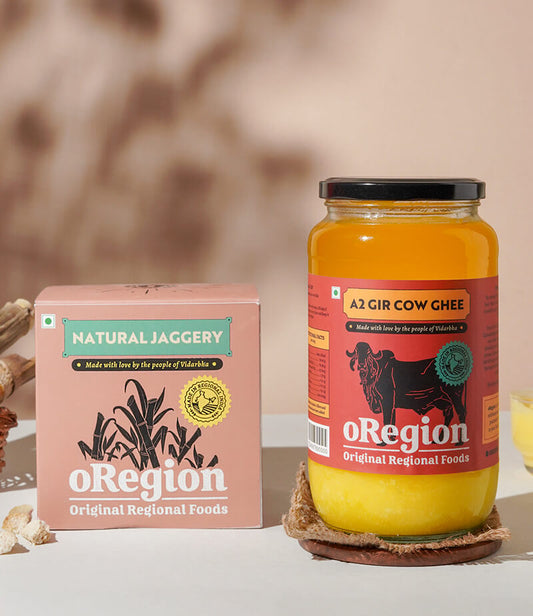
Traditional A2 Bilona Ghee is valued for its traditional preparation methods and rich nutritional profile.
Cold Pressed Oils vs Refined Oils
Cold-pressed oils retain more natural nutrients compared to highly refined oils.
Natural Jaggery vs Refined Sugar
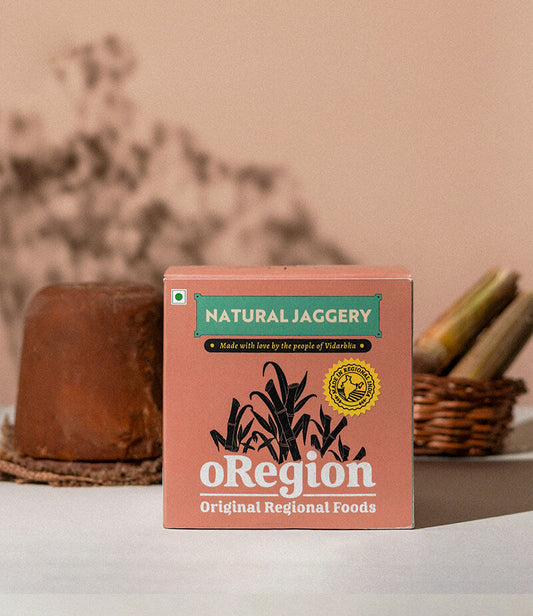
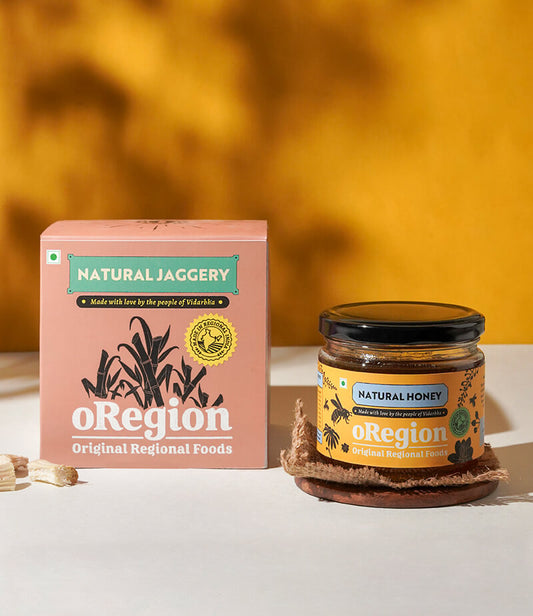
Natural Sugarcane Jaggery contains minerals and traditional sweetness without excessive processing.
Raw Honey and Natural Wellness
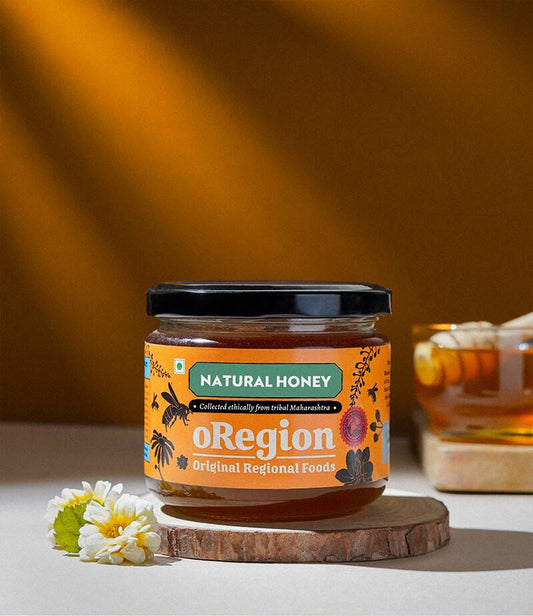
Raw honey is appreciated for its natural enzymes and traditional wellness benefits.
How oRegion Supports Sustainable and Traditional Farming Practices
Commitment to Traditional and Ethical Farming Values
oRegion focuses on preserving traditional Indian food wisdom while supporting sustainable agriculture.
Promoting Chemical-Free and Naturally Sourced Products
The brand emphasizes naturally sourced ingredients and traditional preparation techniques.
oRegion’s Focus on A2 Bilona Ghee and Cold-Pressed Oils
oRegion offers products inspired by traditional farming and food-processing methods.
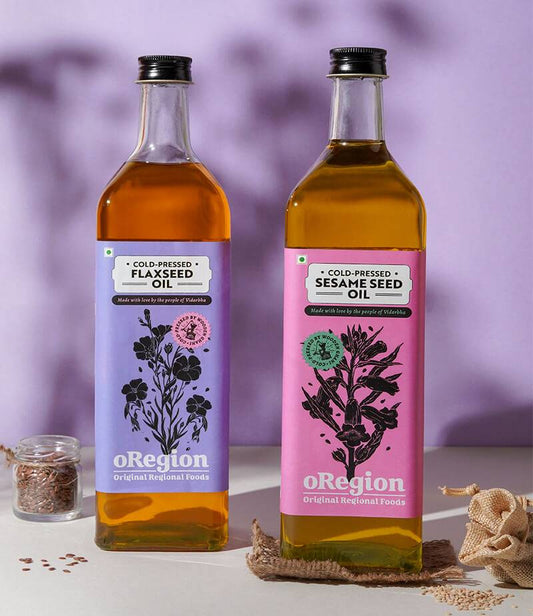
Flaxseed Oil for Modern Nutritional Needs
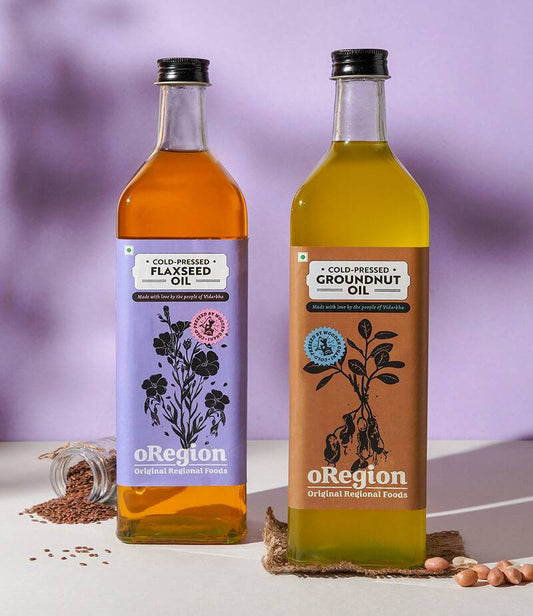
Cold Pressed Flaxseed Oil is valued for its healthy fat profile and nutritional benefits.
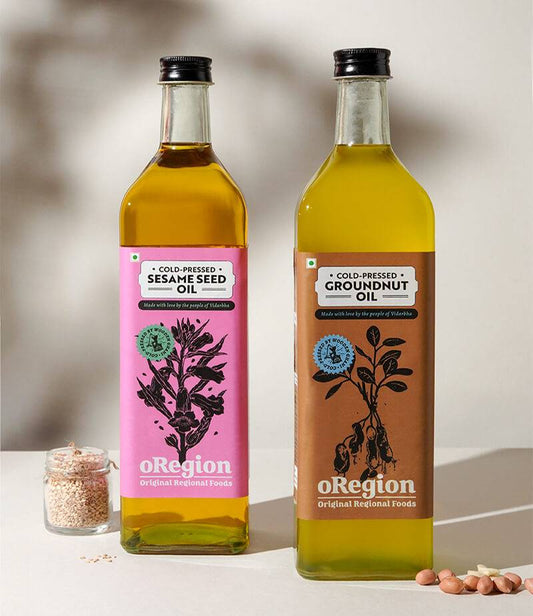
Sesame Oil and Traditional Indian Cooking
Cold Pressed Sesame Oil has been used in Indian kitchens and Ayurvedic traditions for generations.
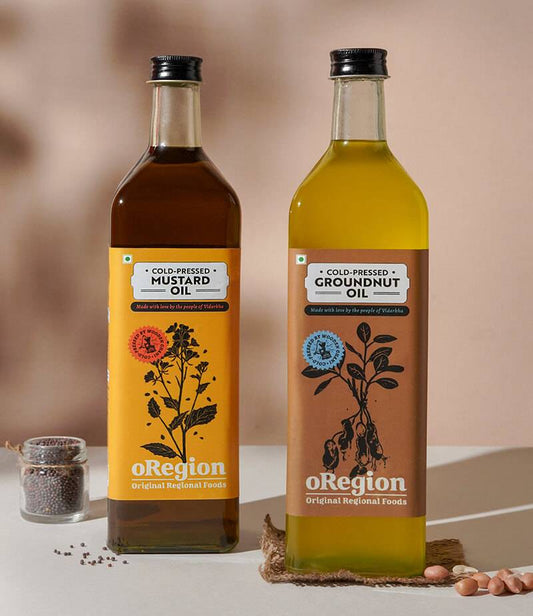
Groundnut Oil and Mustard Oil From Traditional Extraction Methods
Traditional cold-pressed extraction of Groundnut Oil and Mustard Oil helps preserve natural flavors and nutrients.
Why Consumers Are Moving Towards Naturally Processed Foods
Modern consumers increasingly prefer minimally processed and traditionally prepared foods.
Frequently Asked Questions About Converting Land Into Organic Farming
How many years does it take to convert land into organic farming?
Most farms require approximately 3–4 years for full organic conversion and soil stabilization.
Can farmers use any chemicals during the transition period?
Certified organic farming restricts the use of prohibited synthetic chemicals during the transition phase.
What is the difference between residue-free farming and organic farming?
Residue-free farming mainly focuses on reducing chemical residues, while organic farming follows complete certified standards.
Is organic farming profitable in India?
Yes, organic farming can become profitable through premium pricing, lower input costs, and growing market demand.
What is the first step in converting chemical land into organic land?
The first step is stopping synthetic chemical usage and beginning soil detoxification naturally.
Can organic farming later become natural farming?
Yes, many farms gradually evolve from organic farming into more self-sustaining natural farming systems.
Why is biodiversity important in natural farming?
Biodiversity improves ecological balance, pest control, pollination, and soil fertility.
Which products are commonly produced through organic and natural farming methods?
Common products include A2 Bilona Ghee, cold pressed oils, raw honey, natural jaggery, grains, fruits, vegetables, and spices.
Conclusion: Organic Farming Is a Journey Towards Sustainable Living
From Chemical Dependency to Ecological Balance
The transition from chemical farming to organic farming and natural farming is not an overnight process. It is a gradual journey that rebuilds soil health, biodiversity, and long-term sustainability.
Why the Future of Farming Depends on Soil Health and Natural Ecosystems
Healthy soil is essential for food security, climate resilience, and sustainable agriculture. Farms that protect natural ecosystems are more likely to remain productive for future generations.
The Growing Importance of Organic and Natural Products in Modern Lifestyles
As consumers become more health-conscious, the demand for traditional and naturally produced foods continues to rise. Products like A2 Bilona Ghee, cold pressed oils, Raw Multiflora Honey, and natural jaggery reflect a growing movement toward mindful and sustainable living.
Follow us for more wellness tips
👉 Buy Now on oregion.in
📸 Instagram: @oRegion.in
📘 Facebook: facebook.com/oRegionfoods
▶ YouTube: https://www.youtube.com/@oRegion_foods
👉 Shop Globally on Distacart & PushMyCart