


How Are Processed Cooking Oils Linked to Inflammation and Lifestyle Diseases?
By oregion foodsSoyabean oil, rice bran oil, palm oil, cottonseed oil, and canola oil became extremely common in Indian kitchens over the last few decades. Most families never questioned the cooking oil they used every day because supermarket shelves were filled with heavily advertised refined oils labeled as “heart healthy,” “light,” or “cholesterol free.” Gradually, traditional oils like Kachi Ghani Mustard Oil, Wood Pressed Oil, and cold pressed groundnut oil started disappearing from daily cooking habits.
One major topic now under global health discussion is the growing use of processed cooking oils and refined seed oils. Consumers are becoming more conscious about what goes into their kitchens, especially after learning how industrial oil processing may affect long-term health. Searches for terms like “pure cooking oil," “India's best cold-pressed oil," and “cold pressed oil online” have increased as families look for cleaner and more traditional alternatives.
In Indian households, many people are slowly returning to traditional oils like Kachi Ghani mustard oil, wood pressed oil, Cold Pressed Mustard Oil, and cold pressed groundnut oil. Grandparents often cooked with naturally extracted oils, and today’s health-conscious consumers are rediscovering those practices.
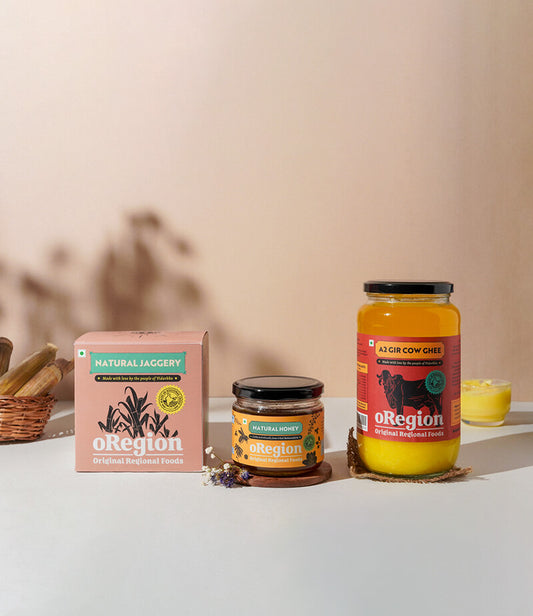
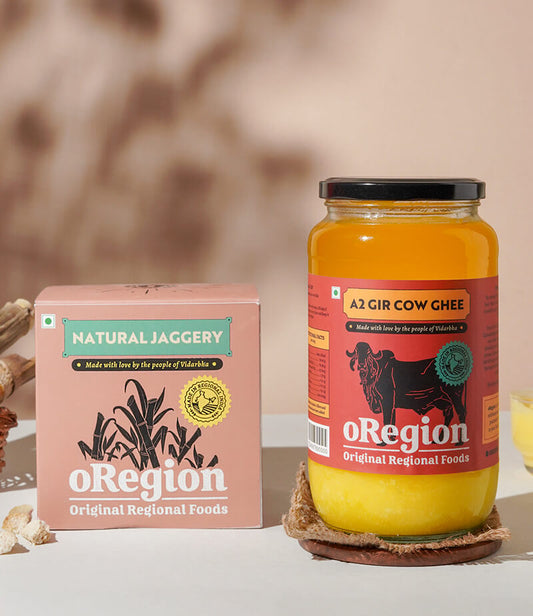
As awareness about inflammation, processed foods, and omega-6 fatty acids grows, more families now prefer pure cooking oil options that are minimally processed and naturally nutrient rich. Brands like oRegion are part of this growing movement toward traditional and mindful cooking.
What Are Processed Cooking Oils? Understanding Modern Seed Oils
"Processed cooking oil" refers to oils that undergo industrial refining methods before reaching consumers. These oils are commonly made from seeds such as soybean, sunflower, corn, cottonseed, and canola.
Many people buy cooking oil based only on price or advertising, without understanding how the oil is extracted and processed.
Common refined oils include:
-
Soybean oil
-
Sunflower oil
-
Corn oil
-
Canola oil
-
Refined vegetable oil blends
These oils are widely used in packaged snacks, restaurant frying, bakery products, and fast food because they are inexpensive and have a longer shelf life.
Chemical Extraction Using Heat and Solvents
Most industrial Cooking Oil products are extracted using high heat and chemical solvents like hexane. The seeds are heavily processed to maximize oil production at low cost.
During this process, oils may lose natural antioxidants, vitamins, and beneficial plant compounds.
Bleaching and Deodorizing Process
After extraction, refined oils often go through bleaching and deodorizing treatments to improve appearance and smell. These industrial methods help create clear-looking oils but can significantly alter the natural nutritional profile.
Why Refined Oils Have a Longer Shelf Life
Refined oils are designed for mass storage and commercial use. Because impurities and natural compounds are removed, these oils remain shelf-stable for longer periods.
This is one reason why processed oils dominate supermarkets and packaged foods globally.
Difference Between Refined Oil and Cold Pressed Oil
Many consumers now ask: what is cold pressed oil?
Cold Pressed Oil means oil extracted naturally at low temperatures without excessive heat or chemical refining. Wood pressed oil follows a traditional extraction process using wooden churners or “ghani” systems.
Unlike refined oils, Pure Cooking Oil extracted through cold pressing retains more natural aroma, nutrients, antioxidants, and flavor.
How Processed Cooking Oils May Trigger Inflammation in the Body
Inflammation is the body’s natural defense mechanism. When we get injured or infected, temporary inflammation helps healing.
However, chronic inflammation is different. It is long-term, low-grade inflammation that may silently damage tissues over time.
Researchers now believe chronic inflammation may contribute to:
-
Heart disease
-
Diabetes
-
Obesity
-
Arthritis
-
Fatty liver disease
-
Hormonal imbalance
-
Skin disorders
The Role of Omega-6 Fatty Acids in Chronic Inflammation
Processed seed oils are typically high in Omega-6 fatty acids. While Omega-6 is essential in small amounts, excessive intake may create an imbalance in the body.
What Happens When Omega-6 Intake Becomes Excessive?
Modern diets contain extremely high levels of Omega-6 fatty acids because processed oils are present in:
-
Chips
-
Instant noodles
-
Fast food
-
Bakery items
-
Frozen snacks
-
Restaurant frying oils
Excessive intake may encourage inflammatory pathways inside the body.
Omega-6 vs Omega-3 Balance Explained
The human body needs balance between omega-6 and omega-3 fats. Traditionally, diets contained both, in healthier proportions.
Today, omega-6 intake is extremely high, while omega-3 intake remains low.
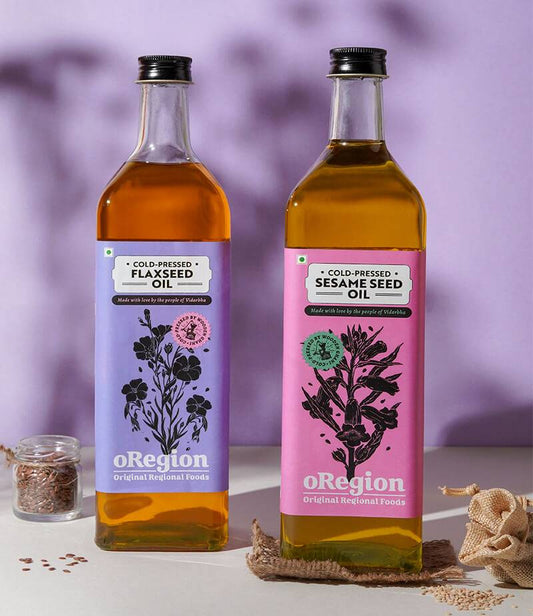
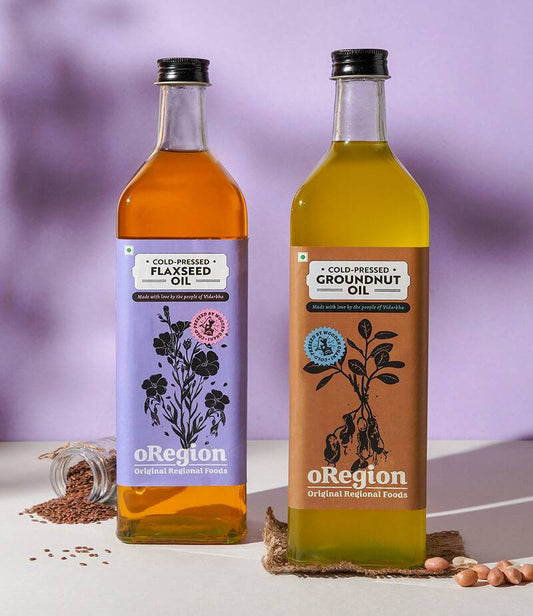
This is why many nutrition experts encourage consuming flaxseed omega-3 sources like Cold Pressed Flaxseed Oil and vegan omega-3 foods.
Why Modern Diets Are Heavily Imbalanced
Modern processed foods rely heavily on cheap refined oils. Meanwhile, foods rich in omega-3 oil are consumed less frequently.
Natural sources like flaxseed and omega 3 oils may help restore dietary balance.
Arachidonic Acid and Inflammatory Response
Excess Omega-6 fatty acids may contribute to the production of inflammatory compounds derived from arachidonic acid. These compounds can influence immune responses and chronic inflammation pathways.
Free Radicals, Oxidative Stress, and Cell Damage
Repeated heating and industrial processing may create oxidative stress inside the body. Oxidative stress occurs when free radicals damage cells faster than the body can repair them.
This process is associated with aging and several chronic diseases.
How Repeated Heating of Cooking Oil Increases Toxic Compounds
Why Reused Frying Oil Is Harmful
Street food vendors and commercial kitchens sometimes reuse oil multiple times. Reheated oil may produce harmful compounds, including aldehydes and oxidized fats.
High-Temperature Cooking and Oil Oxidation
When oils are repeatedly exposed to very high heat, oxidation increases rapidly. Oxidized oils may negatively affect heart and metabolic health.
Impact on Liver, Heart, and Metabolic Health
Studies suggest excessive intake of oxidized oils may contribute to the following:
-
Fatty liver disease
-
Cholesterol imbalance
-
Insulin resistance
-
Increased inflammation
Lifestyle Diseases Associated With Processed Cooking Oils
Processed oils alone are not the only cause of disease. However, their frequent presence in ultra-processed foods may significantly contribute to long-term health risks.
Obesity and Weight Gain
Highly processed foods made with refined cooking oil are often calorie-dense and nutrient-poor. Overconsumption may increase weight gain and abdominal fat accumulation.
Cardiovascular Disease and Cholesterol Imbalance
Some processed oils may contribute to oxidation and inflammation, especially when repeatedly heated.
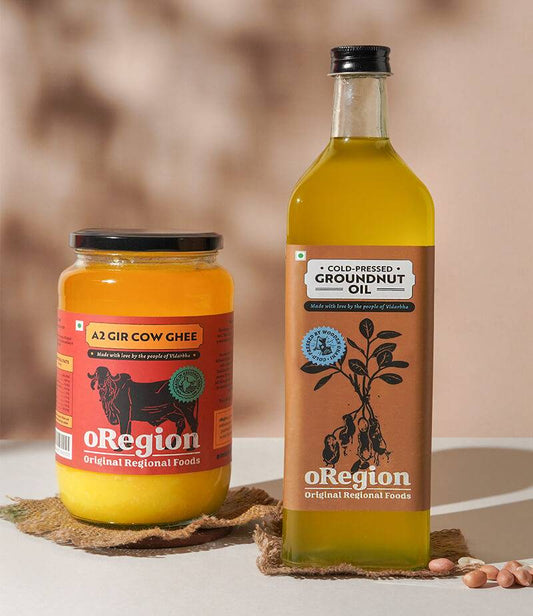
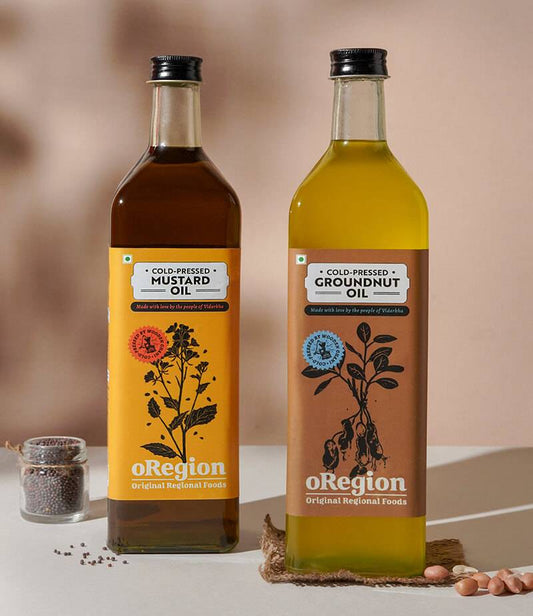
Traditional oils like Cold Pressed Mustard Oil and Groundnut Cold Pressed Oil are gaining popularity because consumers seek minimally processed alternatives.
Type 2 Diabetes and Insulin Resistance
Ultra-processed diets rich in refined oils, sugar, and refined carbohydrates are strongly linked to insulin resistance and Type 2 diabetes.
Fatty Liver Disease and Digestive Problems
Fatty liver disease is increasingly common in India, especially among urban populations consuming processed foods and fried snacks regularly.
Autoimmune Conditions and Chronic Inflammation
Chronic inflammation may aggravate autoimmune disorders by overstimulating immune responses.
Skin Problems and Premature Aging
The Connection Between Inflammation and Skin Health
Inflammation may affect collagen production, hydration, and skin repair mechanisms.
Why Many Consumers Are Searching for Mustard Oil Benefits for Skin
Traditional mustard oil has long been used in Indian homes for massage and skincare. Many consumers now search for the benefits of Mustard Oil for Skin because cold-pressed oils retain more of their natural nutrients than heavily refined oils.
The Hidden Link Between Ultra-Processed Foods and Seed Oils
Processed oils are deeply connected with ultra-processed foods.
Common examples include:
-
Packaged chips
-
Instant snacks
-
Frozen foods
-
Bakery products
-
Fast food
-
Processed sauces
High Sodium, Sugar, and Refined Oil Combination
Most ultra-processed foods combine:
-
Refined oil
-
Excess sugar
-
High sodium
-
Artificial additives
This combination may increase inflammatory burden on the body.
Why Convenience Foods Increase Inflammatory Load
Convenience foods are easy to consume frequently, increasing daily exposure to processed oils.
The Growing Indian Shift Toward Traditional Cooking Oils
Many Indian families are now returning to:
-
Sarso Tel
-
Til Ka Tel
-
Chekku Oil
-
cold pressed oil mustard
-
cold pressed oil of groundnut
This shift reflects growing awareness around food quality and traditional eating patterns.
Scientific Debate: Are Seed Oils Truly Dangerous or Misunderstood?
The scientific debate around seed oils is still ongoing.
Research Supporting the Inflammation Theory
Some researchers argue excessive omega-6 fatty acids combined with processed food consumption may increase chronic inflammation.
Studies Showing Limited Direct Evidence
Other experts point out that evidence directly linking seed oils alone to disease remains limited.
Why Context and Overall Diet Matter Most
Health outcomes depend on overall dietary patterns, lifestyle, exercise, stress levels, sleep quality, and food quality.
The Difference Between Traditional and Industrial Consumption Patterns
Traditionally, oils were consumed in smaller quantities and extracted naturally. Modern diets involve highly processed oils consumed excessively through packaged foods.
What Modern Nutrition Experts and Functional Doctors Say
Many nutrition professionals recommend moderation and choosing minimally processed oils whenever possible.
Why Cold Pressed Oils Are Becoming Popular Again
Consumers increasingly search for:
-
cold pressed oil online
-
cold pressed oil benefits
-
cold pressed oil vs. wood-pressed oil
because they want more natural kitchen choices.
What Is Cold Pressed Oil?
Cold pressed oil is extracted without excessive heat or harsh chemicals. This helps preserve natural nutrients and flavor.
How Wood Pressed Oil Preserves Nutrients Naturally
Wood pressed oil uses slow extraction methods that reduce heat exposure and maintain oil quality.
Cold Pressed Oil vs Refined Oil: Key Differences
Heat Exposure
Refined oils undergo high-temperature industrial processing.
Nutrient Retention
Cold pressed oils retain more antioxidants and natural compounds.
Chemical-Free Extraction
Most cold pressed oils avoid harsh chemical solvents.
Flavor and Aroma
Traditional oils offer richer aroma and authentic taste.
Smoke Point and Cooking Stability
Different oils have different smoke points. Choosing the right oil for the cooking method matters.
Why Indian Consumers Are Returning to Traditional Cooking Oils
The Rise of Chemical-Free Kitchen Choices
Today’s consumers are becoming more conscious about what goes into their daily meals. Many families now prefer minimally processed and traditional cooking oils over heavily refined alternatives.
Ayurveda and Traditional Indian Food Wisdom
Indian households have used mustard oil, sesame oil, and Groundnut Oil for generations. Ayurveda has long supported balanced eating habits and natural food preparation methods.
Growing Awareness About Refined Oils
Discussions around ultra-processed foods and refined oils have increased interest in cold pressed oils and wood pressed oils for daily cooking.
Demand for Pure Cooking Oil in Urban India
Modern consumers frequently search for:
-
best cold pressed mustard oil
-
cold pressed mustard oil online
-
best wood pressed groundnut oil
-
cold pressed sesame oil
Frequently Asked Questions
Are seed oils inflammatory?
Excessive intake of heavily processed oils combined with ultra-processed foods may contribute to inflammation in some individuals.
Is cold pressed mustard oil healthier than refined oil?
Cold pressed mustard oil generally retains more natural antioxidants, aroma, and nutrients compared to refined oils.
Can reheated oil affect health?
Repeated reheating may create oxidized compounds that are not ideal for long-term health.
Is flaxseed oil good for heart health?
Flaxseed oil is valued for its plant-based omega-3 fatty acids that may support cardiovascular wellness.
What is the difference between wood pressed oil and cold pressed oil?
Both methods avoid excessive heat, while wood pressed oil typically uses traditional wooden churners during extraction.
Which cooking oil is best for Indian kitchens?
The ideal oil depends on cooking style and dietary needs. Many Indian households rotate between mustard oil, Sesame Oil, and Groundnut Oil.
Final Thoughts: Choosing Better Oils for Long-Term Health
Processed Cooking Oils continue to remain part of modern food systems, and scientific discussions around seed oils and inflammation are still evolving. Rather than fear-based thinking, the healthier approach is awareness, moderation, and informed choices.
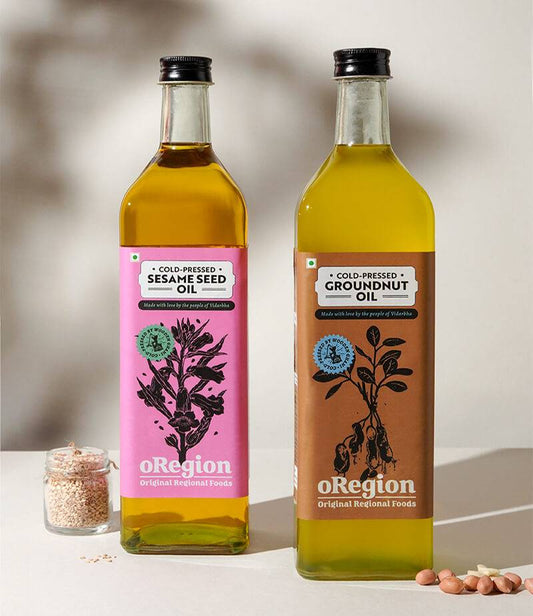
Reducing ultra-processed foods, avoiding repeatedly reheated oils, and focusing on whole-food diets may help support better long-term health outcomes. Traditional oils like cold pressed mustard oil, wood pressed groundnut oil, Cold Pressed Sesame Oil, and cold pressed flaxseed oil are becoming popular again because many families value simpler and less processed food choices.
As Indian kitchens reconnect with traditional cooking wisdom, consumers are increasingly looking for trusted sources of Pure Cooking Oil that align with mindful living. Brands like oRegion continue supporting this growing movement toward cleaner, more natural cooking practices rooted in tradition and balance.
Follow us for more wellness tips
👉 Buy Now on oregion.in
📸 Instagram: @oRegion.in
📘 Facebook: facebook.com/oRegionfoods
▶ YouTube: https://www.youtube.com/@oRegion_foods
👉 Shop Globally on Distacart & PushMyCart