











Can India Reduce Chemical Fertilizers Without Reducing Crop Yields?
By oregion foodsIndia has a vast area of farmland that has been under chemical-intensive cultivation for decades, so an immediate shift to fully organic farming is neither practical nor economically feasible for most farmers. Crops still require reliable nutrition, and farmers cannot risk yield losses during a sudden transition.
However, there is a practical middle path: reducing unnecessary chemical fertilizer use through better nutrient-use efficiency, soil testing, organic matter improvement, biological soil activation, and precision farming practices. This gradual approach can help minimize soil fertility losses, restore microbial activity, improve nutrient availability, and reduce farmers’ dependence on costly fertilizer inputs, without compromising crop productivity when implemented correctly.
Can India reduce chemical fertilizers without reducing crop yields?
The answer is increasingly pointing toward yes, but only when fertilizer reduction is supported by better nutrient efficiency, improved soil biology, and innovative agricultural technologies that help crops access nutrients already present in the soil.
As India moves toward sustainable agriculture, the focus is shifting from applying more fertilizers to making every nutrient count.
Is It Possible to Reduce Chemical Fertilizers Without Lowering Crop Production?
Yes. Research and field demonstrations across India suggest that farmers can reduce chemical fertilizer use by up to 20–25% in certain conditions without reducing crop yields when supported by improved nutrient-use efficiency technologies, biological soil activation, metabolite-based solutions, better soil organic matter management, and precision nutrient practices.
The goal is not eliminating fertilizers entirely. Instead, it is about helping crops utilize nutrients more efficiently while improving long-term soil fertility.
Why India’s Fertilizer Dependency Has Become a National Concern in 2026
Rising Fertilizer Costs and Global Supply Chain Challenges
Global disruptions have increased fertilizer prices significantly over recent years. India imports large quantities of fertilizer raw materials, making agriculture vulnerable to international market fluctuations. Higher fertilizer costs directly impact farmer profitability.
Soil Health Crisis Hidden Beneath High-Yield Farming
Many Indian soils now show signs of:
-
Declining organic carbon
-
Micronutrient deficiencies
-
Reduced microbial activity
-
Soil compaction
-
Lower water retention
While yields may appear stable in the short term, long-term productivity risks continue to grow.
Why Policymakers Are Encouraging Smarter Nutrient Management
Government agencies, agricultural universities, and scientists increasingly emphasize:
-
Soil testing
-
Precision agriculture
-
Organic matter enhancement
-
Bio-inputs
-
Nutrient-use efficiency technologies
These approaches help reduce unnecessary fertilizer application while maintaining productivity.
The Prime Minister’s Vision for Sustainable Indian Agriculture
Recent national discussions have highlighted the importance of reducing dependence on imported fertilizers while strengthening India's natural agricultural resources. The emphasis is on making farming more resilient, profitable, and environmentally sustainable.
The Bigger Question Farmers Are Asking: More Fertilizer or Better Fertilizer Efficiency?
Understanding the Difference Between Fertilizer Quantity and Nutrient Utilization
Applying fertilizer does not automatically guarantee plant uptake.
A significant portion of nutrients can be:
-
Leached away
-
Fixed in soil minerals
-
Lost through volatilization
-
Washed away by rain
Therefore, nutrient availability matters more than nutrient application.
Why Adding More NPK Does Not Always Increase Yield
Beyond a certain point, increasing Nitrogen (N), Phosphorus (P), and Potassium (K) inputs often delivers diminishing returns.
Excess fertilizer may even create nutrient imbalances that reduce overall crop performance.
The Science of Nutrient Loss in Indian Soils
Studies show that substantial portions of applied nutrients remain unavailable to crops due to soil chemistry and biological limitations.
Hidden Yield Losses Caused by Poor Nutrient Availability
Even nutrient-rich soils may fail to support optimal crop growth if nutrients remain locked and inaccessible to roots.
What Are Soil Metabolites and Why Are Agricultural Scientists Talking About Them?
Defining Metabolites in Simple Farmer-Friendly Language
Metabolites are naturally occurring compounds produced by microorganisms and biological processes in soil.
They act like biochemical messengers that influence nutrient movement and availability.
How Metabolites Influence Soil Biology
Metabolites help create a favorable environment for beneficial microbes, root development, and nutrient transformation.
The Connection Between Metabolites, Microbes, and Crop Nutrition
Healthy microbial populations produce metabolites that help release nutrients from soil particles, making them available to crops.
Why Metabolites Are Emerging as the Next Frontier in Sustainable Farming
Scientists increasingly view metabolite technology as a promising solution for improving nutrient-use efficiency while reducing chemical dependency.
Can Metabolite Technology Help India Use 25% Less Chemical Fertilizer?
Understanding Nutrient Mobilization Instead of Nutrient Addition
Traditional fertilizers add nutrients.
Metabolite-based systems focus on mobilizing nutrients already present in soil.
How NPK-Mobilizing Metabolites Work Inside the Soil Ecosystem
These biological compounds stimulate processes that release:
-
Nitrogen
-
Phosphorus
-
Potassium
from unavailable forms into plant-accessible forms.
Activating Existing Nutrients Already Present in the Soil
Many Indian soils contain substantial nutrient reserves that remain locked due to chemical and biological barriers.
Metabolites help unlock these reserves naturally.
Why Efficiency Often Matters More Than Quantity
Improving nutrient-use efficiency can often deliver similar yields with lower fertilizer inputs.
What Happened When Fertilizers Were Reduced by 25%?
Overview of the DRI KVK Ambajogai Demonstration
Agricultural demonstrations involving metabolite-assisted nutrient management have explored whether fertilizer reduction can maintain productivity.
Crop Performance Under Reduced Fertilizer Application
Several trials reported stable crop growth despite lower fertilizer application rates.
Yield Comparison Between Conventional and Metabolite-Assisted Farming
Results suggest that improved nutrient mobilization can compensate for reduced fertilizer inputs under suitable conditions.
Lessons Learned From Real Farm Conditions
Key observations include:
-
Better root development
-
Improved nutrient uptake
-
Reduced input costs
-
Stable yields
How Soil Becomes More Productive When Biological Processes Are Activated
The Role of Beneficial Soil Microorganisms
Microbes are nature's workforce beneath the soil surface.
They perform essential functions, including nutrient cycling and organic matter decomposition.
Nutrient Cycling: Nature’s Hidden Fertility Engine
Natural ecosystems thrive because nutrients are constantly recycled through biological activity.
Root Zone Activity and Improved Nutrient Absorption
Active root zones create stronger interactions between plants and beneficial microbes.
The Relationship Between Soil Biology and Crop Resilience
Healthy soils often support greater tolerance to:
-
Drought
-
Heat stress
-
Nutrient fluctuations
The Forgotten Wealth Beneath Our Feet: Unlocking Native Soil Fertility
Are Indian Farms Sitting on Untapped Nutrient Reserves?
Many agricultural soils contain nutrients that remain unavailable to crops.
Unlocking these reserves represents a major opportunity.
Why Many Nutrients Remain Locked Inside Soil Minerals
Chemical bonding often prevents plants from accessing nutrients directly.
How Biological Activation Releases Plant-Available Nutrients
Microbial activity and metabolites help convert unavailable nutrients into usable forms.
Reducing Waste While Increasing Nutrient Access
This approach allows farmers to gain more value from existing soil resources.
The Economics of Using Less Fertilizer Without Sacrificing Yield
How Fertilizer Reduction Can Improve Farm Profitability
Lower fertilizer expenses directly improve margins when yields remain stable.
Cost-Benefit Analysis for Small and Medium Farmers
Input savings can significantly impact profitability for smallholder farmers.
Lower Input Costs Versus Yield Stability
The ideal farming system balances productivity with economic sustainability.
Long-Term Economic Advantages of Soil Regeneration
Healthier soils often require fewer corrective interventions over time.
Why Soil Organic Matter Is Becoming More Valuable Than Chemical Inputs
Understanding Soil Carbon and Nutrient Retention
Organic matter improves nutrient storage and availability.
How Organic Matter Supports Nutrient Efficiency
Higher organic content helps reduce nutrient losses.
The Link Between Soil Structure and Fertilizer Performance
Well-structured soils improve root growth and nutrient uptake.
Building a Self-Sustaining Soil Ecosystem
Long-term fertility depends on biological activity, not fertilizer alone.
What Happens to Soil After Years of Excessive Fertilizer Use?
Nutrient Imbalance and Soil Degradation
Overuse can create imbalances that limit crop performance.
Declining Microbial Diversity
Beneficial soil organisms may decline under intensive chemical dependency.
Reduced Water-Holding Capacity
Poor soil structure reduces moisture retention.
The Long-Term Yield Risk Farmers Often Ignore
Soil degradation can eventually reduce productivity despite increasing fertilizer application.
The Future of Farming May Not Be More Inputs—It May Be More Intelligence
Precision Nutrition Versus Blanket Fertilizer Application
Precision agriculture applies nutrients where and when they are needed most.
Biological Farming Tools Transforming Agriculture
Innovations include:
-
Soil metabolites
-
Biofertilizers
-
Microbial inoculants
-
Soil health monitoring
Data-Driven Nutrient Management
Digital tools help farmers make informed nutrient decisions.
How Smart Farming Can Improve Resource Efficiency
Technology enables higher productivity with fewer resources.
Why Sustainable Farming Matters to Consumers Too
How Soil Health Influences Food Nutrition
Nutrient-rich soils contribute to healthier crops.
Growing Consumer Demand for Naturally Produced Foods
Consumers increasingly seek foods produced through sustainable agricultural systems.
The Connection Between Regenerative Farming and Human Health
Healthy farming ecosystems often support healthier food systems.
Why Food Quality Begins Beneath the Soil Surface
Every nutritious meal starts with fertile, biologically active soil.
Supporting Farmers Who Choose Sustainable and Responsible Agriculture
Why Consumers Are Looking Beyond Labels and Toward Farming Practices
Modern consumers want transparency about how food is produced.
How Traditional Farming Methods Preserve Soil Health
Traditional agricultural systems often emphasize biodiversity, soil fertility, and natural nutrient cycles.
The Importance of Farmer-Centric Food Supply Chains
Supporting farmers helps create sustainable rural livelihoods.
Choosing Foods Produced Through Sustainable Agricultural Systems
Brands that prioritize responsible sourcing help strengthen agricultural sustainability.
What Sustainable Agriculture Looks Like Beyond the Farm Gate
Cold-Pressed Oils and Traditional Seed Processing
Why Low-Temperature Extraction Preserves Natural Nutrients
Traditional cold-pressing protects delicate nutrients naturally present in seeds.
Flaxseed Oil and Sustainable Oilseed Cultivation
oRegion Cold Pressed Flaxseed Oil supports value-added utilization of nutrient-rich oilseed crops.
Mustard Oil in Traditional Indian Farming Systems
Mustard remains an important crop in India's diverse agricultural landscape.
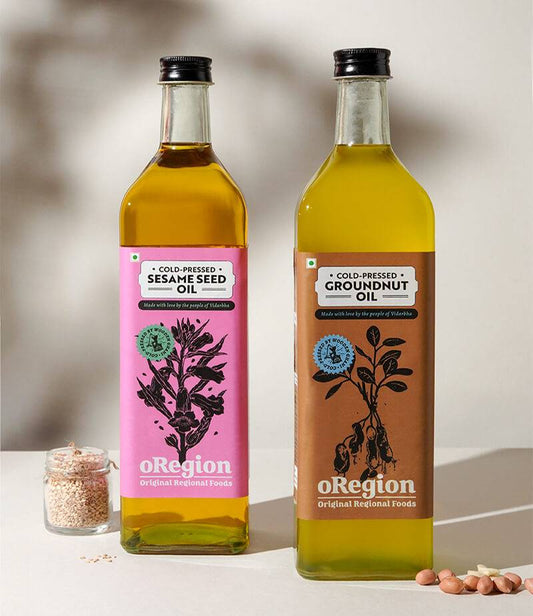
Sesame and Groundnut: Crops With Strong Ecological Value
Sesame and groundnut contribute to diversified farming systems and soil health.
A2 Bilona Ghee and Indigenous Cattle-Based Agriculture
Why Native Breeds Matter in Rural Ecosystems
Indigenous cattle support integrated farming systems.
Traditional Bilona Methods and Circular Farming Models
oRegion A2 Gir Cow Ghee with Betel Leaf reflects traditional food production methods rooted in sustainability.
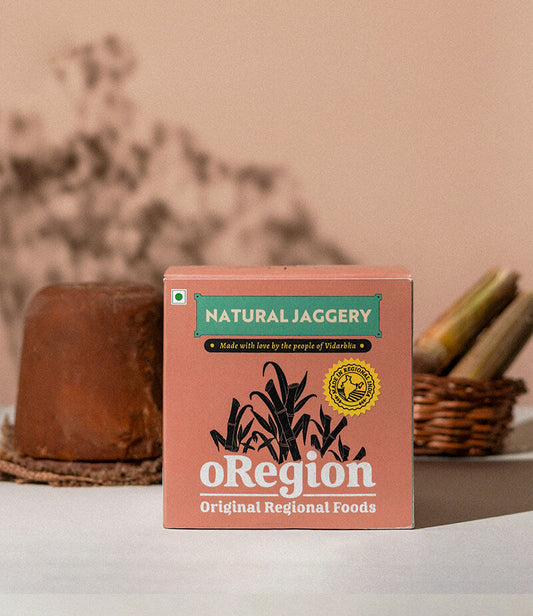
Natural Jaggery Production Without Chemical Clarifiers
Okra Pulp Processing and Traditional Sugarcane Practices
Using okra pulp instead of synthetic clarifiers helps preserve traditional jaggery-making methods.
Reducing Chemical Intervention in Food Processing
oRegion Natural Jaggery demonstrates how food processing can remain close to nature.
Raw Forest Honey and Biodiversity Conservation
How Pollinators Support Agricultural Productivity
Pollinators are essential for food production and ecosystem health.
The Role of Tribal Communities in Sustainable Harvesting
oRegion Raw Honey sourced from forest regions supports both biodiversity conservation and rural livelihoods.
Can India Achieve Fertilizer Reduction at Scale? Opportunities and Challenges Ahead
Scientific Validation and Farmer Adoption
Large-scale adoption requires consistent scientific evidence.
Policy Support for Biological Soil Technologies
Government support can accelerate innovation.
Education, Awareness, and Demonstration Projects
Farmer training remains essential.
Building Confidence Through Real-World Results
Demonstration farms play a crucial role in encouraging adoption.
Frequently Asked Questions (FAQ)
Can chemical fertilizers be reduced without reducing crop yield?
Yes, improved nutrient-use efficiency, biological soil activation, and precision nutrient management can help maintain yields while reducing fertilizer inputs.
What are soil metabolites in agriculture?
Soil metabolites are natural biological compounds that influence nutrient availability and microbial activity.
How do NPK-mobilizing metabolites work?
They help release nutrients already present in soil into forms that plants can absorb.
Can small farmers adopt metabolite-based farming practices?
Yes, many biological technologies are designed for farms of all sizes.
Is reducing fertilizer use financially beneficial?
Lower input costs can improve profitability when yields remain stable.
How does soil biology affect crop productivity?
Healthy soil biology supports nutrient cycling, root growth, and crop resilience.
What is nutrient-use efficiency in farming?
It measures how effectively crops utilize available nutrients.
Can regenerative farming increase farm profitability?
Regenerative practices often improve soil health while reducing input dependency over time.
How does sustainable agriculture improve food quality?
Healthy soils contribute to better nutrient availability and crop development.
What role do consumers play in supporting sustainable farming?
Consumers can support responsible agriculture by choosing products sourced from environmentally conscious farming systems.
Final Thoughts: India’s Next Green Revolution May Come From Soil Biology, Not More Fertilizer
Moving From Input-Intensive Agriculture to Efficiency-Driven Agriculture
The future of Indian agriculture lies not in continuously increasing chemical inputs but in maximizing the efficiency of every nutrient already present within the farming ecosystem.
Restoring Soil Health While Protecting Farmer Income
Improving soil biology, increasing organic matter, and adopting innovative technologies can help farmers reduce costs while maintaining productivity.
Why the Future of Indian Farming Depends on Working With Nature, Not Against It
India's agricultural success has always depended on the richness of its soils. The next phase of growth may come from unlocking natural biological processes rather than applying ever-greater quantities of chemical fertilizers. By combining science, sustainability, and farmer-centered innovation, India can build a more resilient agricultural future, one that protects both crop yields and the health of the land for generations to come.
-
Soil Metabolites
-
Nutrient Use Efficiency (NUE)
-
NPK Mobilization
-
Regenerative Agriculture
-
Soil Microbiome
-
Sustainable Farming
-
Precision Agriculture
-
Agricultural Waste Utilization
-
Biological Soil Enhancement
-
Fertilizer Reduction Technologies
Conclusion
Sustainable agriculture is no longer just an environmental goal—it is becoming an economic necessity. As consumers increasingly seek naturally produced foods and farmers look for ways to reduce costs without sacrificing productivity, solutions that improve soil health and nutrient-use efficiency will play a defining role in India's agricultural future. Brands like oRegion, which support traditional farming, cold-pressed oils, A2 Bilona Ghee, natural jaggery, and raw honey sourced through responsible agricultural systems, reflect the growing connection between healthy soil, healthy farms, and healthy food.
Follow us for more wellness tips
👉 Buy Now on oregion.in
📸 Instagram: @oRegion.in
📘 Facebook: facebook.com/oRegionfoods
▶ YouTube: https://www.youtube.com/@oRegion_foods
👉 Shop Globally on Distacart & PushMyCart