


Always Bloated? This Gut Condition Called SIBO Might Be the Reason
By oregion foodsI eat healthy, but I bloat more than ever- is this the same condition that you are going through? Then this blog will help you. Constant bloating isn’t just uncomfortable; it’s disruptive, frustrating, and often misunderstood. Many health-conscious people carefully choose healthy foods, switch to organic foods, invest in the Best Cooking Oil in India, and still feel uncomfortably swollen after meals. When this happens regularly, we need to look deeper than “gas” or “poor digestion.” One often-overlooked culprit is SIBO, a gut condition that silently affects nutrient absorption, gut bacteria balance, and overall well-being.
In this guide, we break down what SIBO is, why bloating happens, and how diet quality, including cold pressed oils, flaxseed oil, mustard oil, sesame oil, and A2 grass-fed cow ghee, can either worsen or support gut recovery. We also explain how oRegion supports gut-friendly cooking through chemical-free cold pressed oil and traditionally made A2 Bilona Ghee.
What Is SIBO (Small Intestinal Bacterial Overgrowth)?
SIBO stands for Small Intestinal Bacterial Overgrowth [1], a condition where excessive bacteria colonize the small intestine, an area meant to remain relatively low in bacterial count.
How the Small Intestine Normally Controls Bacteria
A healthy digestive system [2] uses stomach acid, bile, enzymes, and rhythmic gut movement (the migrating motor complex) to prevent bacterial buildup. When digestion is efficient, food moves smoothly, leaving little time for bacteria to ferment it.
What Goes Wrong in SIBO and Why Bacteria Multiply
In SIBO, slow digestion, low stomach acid, or structural changes allow bacteria to settle and multiply in the small intestine. These bacteria ferment carbohydrates prematurely, producing excessive gas.
Difference Between Healthy Gut Bacteria and SIBO
Healthy bacteria belong mainly in the colon. In SIBO, even “good” bacteria are simply in the wrong place, causing symptoms.
Why SIBO Is More Than Just Gas or Indigestion
SIBO interferes with nutrient absorption, damages the gut lining, and can trigger systemic inflammation. It is not a temporary digestive issue; it’s a chronic imbalance.
Why Are You Always Bloated? Understanding the Real SIBO Connection
Persistent bloating that appears soon after meals is not random. In people with SIBO (Small Intestinal Bacterial Overgrowth), bloating is the visible outcome of a deeper bacterial imbalance occurring in the small intestine, an organ that was never designed to host large bacterial populations.
Bacterial Fermentation and Gas Production (Hydrogen & Methane)
In SIBO, bacteria present in the small intestine ferment food before it is fully digested or absorbed. This fermentation produces hydrogen and methane gases, which expand within the confined space of the small intestine. Unlike the colon, the small intestine has a limited capacity to manage gas buildup, leading to:
-
Immediate abdominal pressure
-
Visible distension
-
Cramping or sharp pain
-
Sensation of fullness shortly after eating
Hydrogen-dominant SIBO is commonly associated with loose stools, while methane-producing archaea slow intestinal movement, leading to Constipation and Stubborn Bloating [3] that does not improve with fiber or laxatives.
Why Carbohydrates Trigger Immediate Bloating
Carbohydrates, especially fermentable ones, are the primary fuel for bacterial overgrowth. In SIBO, even nutrient-rich carbohydrates like fruits, whole grains, and legumes can cause rapid bloating because bacteria access them before digestive enzymes do.
This explains why people often say:
“I eat healthy, but I bloat more than ever.”
Until bacterial overgrowth is reduced and gut motility improves, carbohydrates, healthy or not, can worsen symptoms through accelerated gas production.
Slow Gut Motility and Food Fermentation
A healthy digestive tract moves food forward efficiently. In SIBO, slow gut motility allows food to linger too long in the small intestine. This stagnation gives bacteria repeated opportunities to ferment meals, resulting in:
-
Continuous gas formation
-
Recurrent bloating throughout the day
-
Symptoms returning even after “safe” meals
Slow motility is often the root cause of recurring SIBO and must be addressed to prevent relapse.
Why SIBO Is Commonly Confused With IBS
SIBO and IBS share overlapping symptoms, such as bloating, pain, diarrhea, and constipation. However, research shows that a large percentage of IBS patients test positive for SIBO. Treating IBS without addressing bacterial overgrowth often leads to temporary symptom relief but persistent recurrence.
SIBO requires targeted antimicrobial treatment and motility support, not just symptom suppression.
Signs and Symptoms of SIBO You Should Not Ignore
Digestive Symptoms Beyond Bloating
Bloating is only the surface. SIBO often presents with:
-
Excessive gas unrelated to food quantity
-
Burning or cramping abdominal pain
-
Nausea after meals
-
Early satiety (feeling full too soon)
These symptoms signal disrupted digestion at the bacterial level.
Diarrhea, Constipation, and Irregular Bowel Movements
The type of gas produced determines bowel patterns:
-
Hydrogen-dominant SIBO → diarrhea or loose stools
-
Methane-dominant SIBO → constipation, hard stools, infrequent bowel movements
Some individuals experience alternating symptoms, making diagnosis more complex.
Nutrient Malabsorption and Deficiencies
Bacteria in the small intestine consume nutrients before absorption occurs. Over time, this leads to deficiencies in:
-
Iron
-
Vitamin B12
-
Protein
-
Essential fatty acids
Malnutrition can develop even when calorie intake is adequate.
Fat-Soluble Vitamin Absorption and Gut Health
SIBO disrupts bile flow, impairing fat digestion and reducing absorption of vitamins A, D, E, and K, even when consuming quality fats like Cold Pressed Mustard Oil, groundnut oil, or ghee. This can weaken immunity, bone health, and skin integrity.
When Chronic Bloating Affects Daily Life
Untreated SIBO often leads to:
-
Chronic fatigue
-
Anxiety around eating
-
Avoidance of social meals
-
Reduced work productivity
Mental health impact is real and often overlooked.
What Causes SIBO? Root Triggers and Risk Factors
SIBO does not develop overnight. It is usually the outcome of multiple overlapping physiological failures that disrupt the normal cleansing, movement, and defense mechanisms of the digestive tract. Understanding these root triggers is essential to achieving long-term relief rather than temporary symptom suppression.
Slow Digestion and Poor Intestinal Motility
One of the most critical protective mechanisms against bacterial overgrowth is the Migrating Motor Complex (MMC), a series of rhythmic contractions that sweep through the small intestine during fasting states. This “cleaning wave” moves leftover food particles and excess bacteria toward the colon, where they belong.
When the MMC becomes weak or irregular, bacteria are not cleared effectively, allowing them to settle and multiply in the small intestine. This results in repeated fermentation of food, chronic bloating, and relapse even after treatment. Factors such as irregular meal timing, constant snacking, stress, and disrupted sleep cycles significantly impair MMC activity.
Conditions Like Diabetes and Hypothyroidism
Metabolic and hormonal disorders play a major role in slowing gut movement.
-
Diabetes damages the nerves responsible for intestinal contractions (gastroparesis).
-
Hypothyroidism lowers metabolic rate, slowing digestion and intestinal transit.
When nerve signaling weakens, food stagnates in the gut, increasing bacterial retention and fermentation, creating an ideal environment for SIBO to thrive.
Medication-Induced Gut Imbalance
Modern medications have transformed healthcare, but long-term or repeated use can unintentionally disrupt the gut’s natural defense systems.
Antibiotics, Antacids, and Long-Term PPI Use
-
Antibiotics eliminate not only harmful bacteria but also protective gut flora, enabling opportunistic bacteria to overgrow in vulnerable areas.
-
Antacids and Proton Pump Inhibitors (PPIs) [5] reduce stomach acid, which is essential for killing ingested microbes and preventing bacterial migration from the colon to the small intestine.
When stomach acid is consistently low, bacteria survive digestion and colonize areas they normally could not.
These medications are sometimes necessary, but repeated exposure without proper gut recovery creates long-term vulnerability to bacterial imbalance and SIBO recurrence.
Structural Changes in the Digestive Tract
Surgeries, Adhesions, and Inflammatory Conditions
Any structural alteration in the gastrointestinal tract can disrupt normal flow and clearance. Scar tissue from surgeries, intestinal adhesions, or chronic inflammatory disorders can create pockets of stagnation where bacteria become trapped.
Examples include:
-
Abdominal surgeries
-
C-sections
-
Intestinal strictures
-
Crohn’s disease or chronic inflammation
These physical changes prevent efficient digestion and bacterial clearance, significantly increasing SIBO risk.
How SIBO Is Diagnosed: Tests Doctors Actually Use
Accurate diagnosis is essential before starting treatment. Treating symptoms without identifying SIBO leads to incomplete recovery and relapse.
Hydrogen and Methane Breath Tests Explained
The most commonly used diagnostic tool is the lactulose or glucose breath test. After ingestion of the test sugar, breath samples are collected at intervals to measure hydrogen and methane output.
-
Early gas peaks indicate fermentation in the small intestine
-
Hydrogen elevation suggests diarrhea-dominant SIBO
-
Methane elevation suggests constipation-dominant SIBO
These gases should normally rise much later during digestion. Early detection confirms bacterial overgrowth.
Why Accurate Diagnosis Matters Before Treatment
Using the wrong treatment approach can worsen symptoms, damage the gut lining, and promote bacterial resistance. Each SIBO subtype requires a specific, targeted plan.
Conditions That Mimic SIBO Symptoms
Several conditions resemble SIBO but require different treatments:
-
Food intolerances
-
Parasitic infections
-
Pancreatic enzyme insufficiency
Mistaking one condition for another delays healing and increases frustration.
Medical Treatment Options for SIBO
Antibiotics Used in SIBO Treatment
Antibiotics are often required to reduce bacterial load effectively.
Rifaximin and Targeted Therapy
Rifaximin works locally in the gut, minimizing systemic side effects. It reduces bacterial overgrowth while preserving beneficial bacteria elsewhere in the digestive tract. Methane-dominant cases may require additional targeted agents.
Can SIBO Come Back After Antibiotics?
Yes. Studies show high relapse rates when underlying issues such as motility dysfunction, diet, and lifestyle are not corrected. Antibiotics alone are not a long-term solution.
Role of Probiotics, Helpful or Harmful?
During active SIBO, probiotics may worsen bloating and gas by adding bacterial load. They are best introduced after bacterial reduction and gut repair have begun.
Diet and Nutrition in SIBO Management
What Is a Low-FODMAP Diet and Why Does It Helps
The Low-FODMAP diet temporarily reduces fermentable carbohydrates, reducing gas production and symptom severity. However, it does not resolve bacterial overgrowth and should not be used long-term without guidance.
Foods That Worsen SIBO Symptoms
Processed Foods, Refined Sugar, and Poor Cooking Oils
Refined sugar feeds bacterial overgrowth, while refined oils increase oxidative stress, inflammation, and bile disruption, slowing gut recovery.
Foods That Support Gut Recovery
Simple, easily digestible meals cooked with Cold Pressed Oil, A2 gir cow ghee, and omega-3-rich flaxseed oil provide nourishment while reducing inflammatory burden.
Choosing the Right Cooking Oil When You Have Gut Issues
Why Cooking Oil Quality Matters in Digestive Health
Cooking oils influence:
-
Bile secretion
-
Inflammatory pathways
-
Intestinal membrane integrity
Poor-quality oils weaken gut barrier function and delay healing.
Cold Pressed Oil vs Refined Oil for Sensitive Guts
Refined oils undergo chemical processing and high heat, forming gut-irritating compounds. Cold pressed oil retains natural fatty acids, antioxidants, and enzymes that support digestion.
How Chemical-Free Extraction Supports Digestion
Gentle, low-temperature extraction prevents oxidative damage and supports gut-friendly fat metabolism.
Best Oils for SIBO‑Friendly Cooking (Backed by Tradition and Modern Gut Science)

Small Intestinal Bacterial Overgrowth (SIBO) is not just a food intolerance problem; it is a disruption of gut motility, digestion, and microbial balance. While carbohydrates and fermentable foods receive most of the attention, cooking fats play a silent but critical role in either calming or aggravating the gut.
Traditional systems like Ayurveda emphasized fats that lubricate digestion, support bile flow, and heal the intestinal lining. Modern research now validates many of these observations. Choosing the right oils during SIBO recovery can reduce inflammation, support motility, and improve nutrient absorption without feeding harmful bacteria.
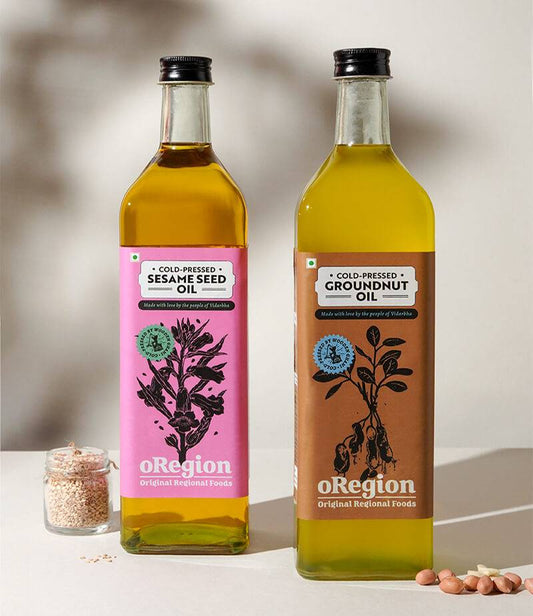
Cold Pressed Sesame Oil for Gentle Digestion
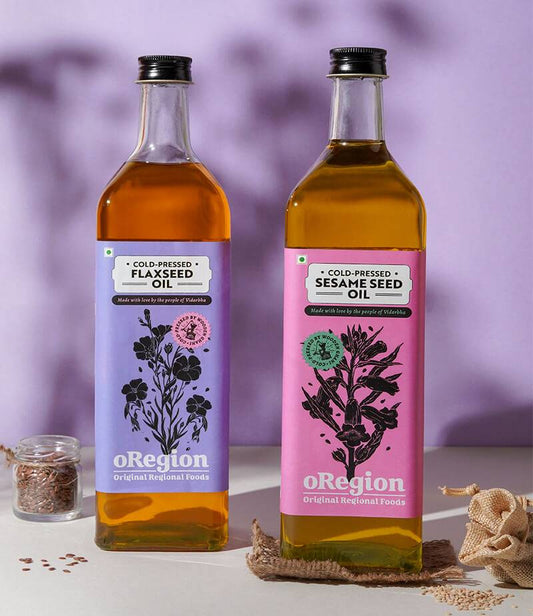
Sesame oil has been used for thousands of years as a digestive aid, not merely as a cooking medium. In Ayurveda, it is considered snigdha (lubricating) and deepana (digestive‑activating), making it especially useful when digestion is sluggish but inflamed.
How Sesame Oil Supports the Gut
Cold pressed sesame oil contains:
-
Sesamol and sesamin, powerful antioxidants that protect intestinal cells
-
Medium‑density fats that stimulate bile flow without overwhelming digestion
-
Natural emulsifying properties that help break down food smoothly
Unlike refined oils, cold pressed sesame oil does not irritate the gut lining. It gently coats the intestinal wall, helping reduce friction, dryness, and constipation, symptoms often present in SIBO‑C and post‑antibiotic recovery.
Best Way to Use During SIBO
-
Use in small quantities for sautéing vegetables
-
Avoid deep frying
-
Combine with spices like cumin or ginger to enhance digestibility
Cold Pressed Mustard Oil and Gut Motility
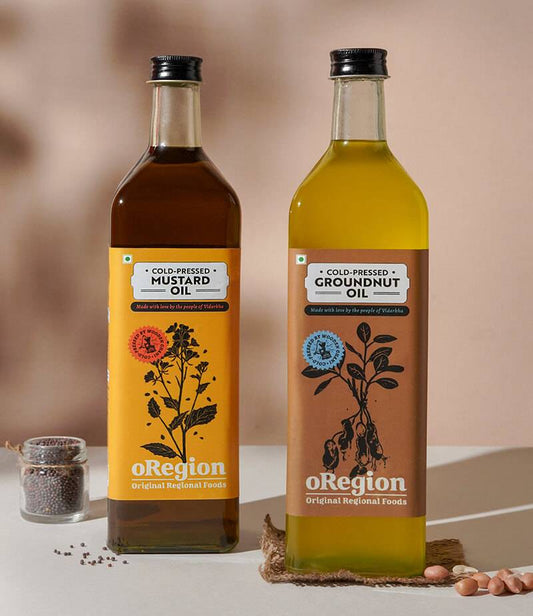
Mustard oil is often misunderstood in gut health conversations. When refined, overheated, or overused, it can be irritating. But traditionally extracted cold pressed mustard oil, used in moderation, has a very different physiological effect.
Why Mustard Oil Improves Motility
Cold pressed mustard oil naturally stimulates:
-
Bile secretion from the liver
-
Digestive enzyme activity in the small intestine
-
Enteric nerve signaling, which governs gut movement
This stimulation helps activate the Migrating Motor Complex (MMC) [4], the cleansing wave that moves bacteria out of the small intestine between meals. Poor MMC activity is one of the root causes of SIBO.
When Mustard Oil Is Helpful, and When It’s Not
Helpful when:
-
SIBO is associated with constipation or sluggish digestion
-
Appetite is low
-
Fat digestion is weak
Avoid or limit when:
-
Active gut inflammation or ulcers exist
-
Used in excess or reheated repeatedly
Flaxseed Oil and Omega‑3 for Gut Inflammation
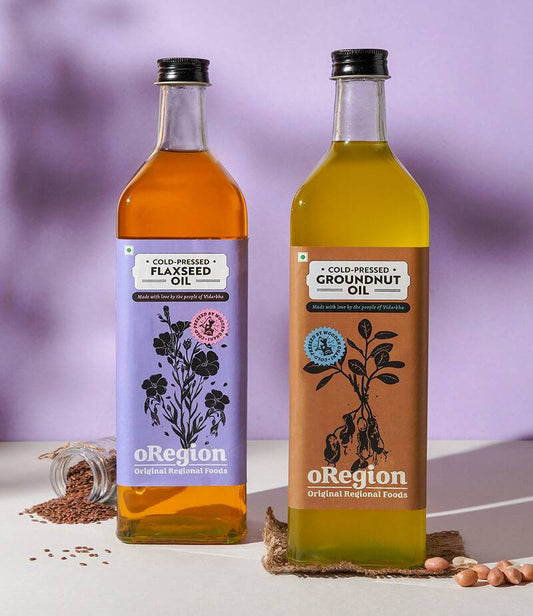
Flaxseed Oil (Also Known as Linseed Oil or Alsi Ka Tel) is not a cooking oil; it is a therapeutic oil. Its strength lies in its high concentration of alpha‑linolenic acid (ALA), a plant‑based omega‑3 fatty acid.
Why Omega‑3 Matters in SIBO
SIBO damages the gut lining, leading to:
-
Increased intestinal permeability
-
Immune overactivation
-
Gas, bloating, and systemic inflammation
Omega‑3 fatty acids help:
-
Reduce inflammatory cytokines
-
Support repair of intestinal tight junctions
-
Improve immune tolerance toward gut bacteria
This makes flaxseed oil especially useful in SIBO‑D, post‑SIBO IBS, and leaky gut conditions.
Best Cold Pressed Flaxseed Oil for Daily Use
Because flaxseed oil is extremely heat‑sensitive, quality matters more here than with almost any other oil.
What to Look For
-
Organic flaxseeds
-
Cold pressed below heat‑damage thresholds
-
No hexane, no refining
-
Dark glass bottle with airtight sealing
Heat‑damaged flaxseed oil not only loses omega‑3s, but it can also become inflammatory.
How to Use Safely
-
Take ½ to 1 teaspoon daily
-
Add to curd, salads, or after meals
-
Never heat or cook with it
Flaxseed and Omega‑3: How It Supports Gut Healing
At a cellular level, omega‑3 fatty acids:
-
Strengthen tight junction proteins like occludin and claudins
-
Reduce mast cell activation in the gut lining
-
Support short‑chain fatty acid balance indirectly
This results in less gas sensitivity, reduced bloating response, and better nutrient absorption over time.
Ghee and Gut Health: Is It Safe for SIBO?
Contrary to outdated fat‑phobia, pure ghee, when sourced correctly, is one of the most gut‑healing fats available. The key lies in how it is made and which milk is used.
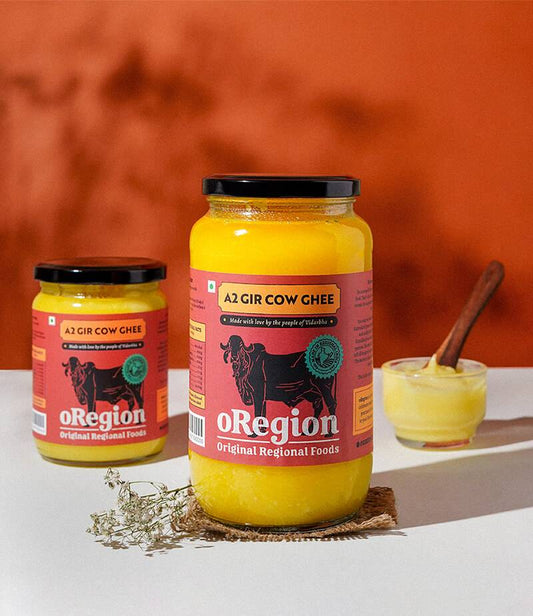
Why A2 Gir Cow Ghee Is Easier to Digest
A2 Gir cow ghee contains:
-
Butyrate, a short‑chain fatty acid that fuels intestinal cells
-
Fat‑soluble vitamins A, D, E, and K
-
No lactose or casein when properly prepared
Butyrate directly supports:
-
Intestinal lining repair
-
Reduced inflammation
-
Improved gut barrier integrity
A2 Gir Cow Bilona Ghee vs Regular Ghee
Bilona ghee is made by:
-
Culturing curd naturally
-
Hand‑churning butter
-
Slow heating to separate milk solids
This process:
-
Preserves beneficial enzymes
-
Avoids protein denaturation
-
Improves fat bioavailability
Commercial ghee, by contrast, often skips fermentation and applies high heat, reducing digestibility.
How Ghee Supports Intestinal Lining Repair
Ghee works at multiple levels:
-
Restores mucus layer thickness
-
Reduces oxidative stress in intestinal cells
-
Improves fat‑soluble nutrient delivery
This makes it especially valuable during post‑SIBO healing phases, not during acute flare‑ups only.
How Much Ghee Is Safe During SIBO Recovery?
Most individuals tolerate:
-
1–2 teaspoons per day, divided across meals
Always increase slowly and monitor symptoms. Digestion, not quantity, determines tolerance.
How oRegion Supports Gut‑Friendly Cooking Naturally
The gut does not recognize marketing claims; it responds to chemical integrity and extraction methods.
Why oRegion Cold Pressed Oils Are Chemical‑Free
-
No hexane or solvents
-
No refining or deodorizing
-
No repeated heating
These factors preserve natural fatty acid structures that the gut can actually process.
Traditional Extraction That Preserves Nutrition
Slow, low‑temperature extraction maintains:
-
Enzyme compatibility
-
Antioxidant integrity
-
Fatty acid stability
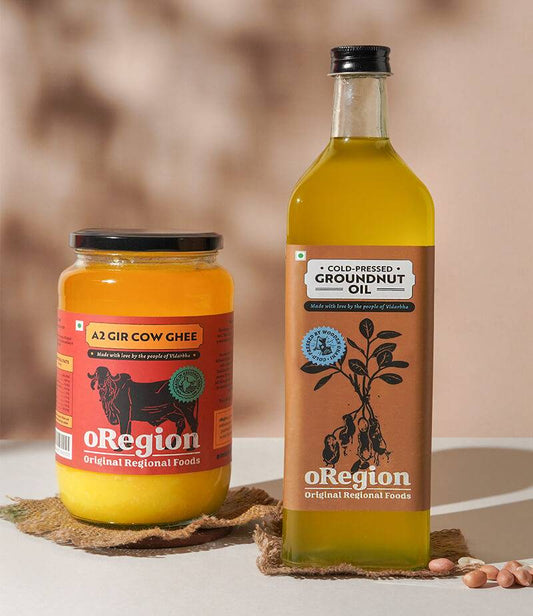
From Cold Pressed Groundnut Oil to flaxseed oil, nutrients remain bioavailable and digestion‑friendly.
Choosing the Best A2 Gir Cow Ghee in India for Digestive Health
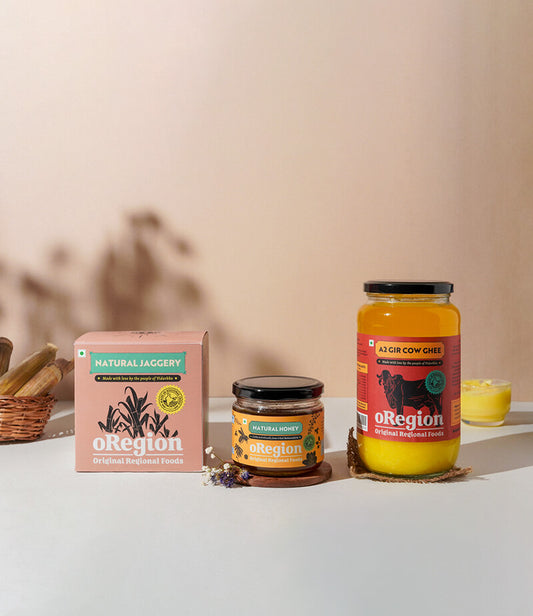
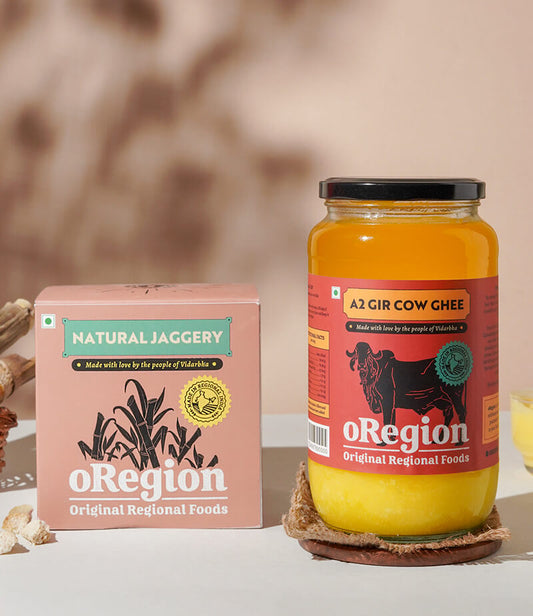
oRegion’s A2 Gir cow ghee follows authentic bilona preparation, preserving butyrate and gut‑healing fats without industrial shortcuts.
Lifestyle Tips to Prevent SIBO Recurrence
Oils alone cannot fix SIBO without behavioral alignment.
Improving Gut Motility Naturally
-
Eat structured meals
-
Maintain 3–4 hour gaps between meals
-
Light walking after meals
-
Honor overnight fasting windows
Eating Habits That Reduce Bloating
-
Avoid constant snacking
-
Limit late‑night meals
-
Chew thoroughly
Stress, Sleep, and Gut Bacteria
Chronic stress and poor sleep impair vagus nerve signaling and MMC function, increasing relapse risk.
When to See a Doctor for Chronic Bloating
Warning Signs That Need Medical Attention
-
Unintentional weight loss
-
Persistent abdominal pain
-
Nutrient deficiencies
-
Recurrent symptoms despite dietary control
Why Self‑Diagnosis Delays Healing
SIBO requires breath testing, root‑cause analysis, and individualized care, not guesswork or suppression strategies.
Conclusion: Healing Bloating Starts With Understanding the Gut
Chronic bloating is not a random inconvenience; it is the gut’s distress signal. In many cases, SIBO silently disrupts digestion, motility, and nutrient absorption long before diagnosis.
True healing does not come from eliminating foods alone. It comes from restoring gut movement, repairing the intestinal lining, calming inflammation, and choosing fats that nourish rather than irritate.
Cold Pressed Sesame Oil supports gentle digestion. Moderate mustard oil improves motility. Omega‑3‑rich flaxseed oil reduces inflammation. A2 Gir Cow Bilona Ghee rebuilds the intestinal barrier.
When combined with proper lifestyle habits and clinical guidance, these traditional fats create a gut environment where balance can return naturally.
When the gut is supported correctly, bloating no longer controls daily life, and lasting digestive health becomes achievable.
Follow us for more wellness tips
👉 Buy Now on oregion.in
📸 Instagram: @oRegion.in
📘 Facebook: facebook.com/oRegionfoods
▶ YouTube: https://www.youtube.com/@oRegion_foods