


Why India’s Dependence on Imported Edible Oils Is Becoming a Bigger Concern Today
By oregion foodsIndia is standing at a crucial turning point where energy, food security, and health choices are deeply interconnected. What once seemed like a manageable reliance on global markets is now becoming a serious national concern. From rising kitchen costs to global geopolitical instability, the impact of oil dependency is now visible in everyday life.
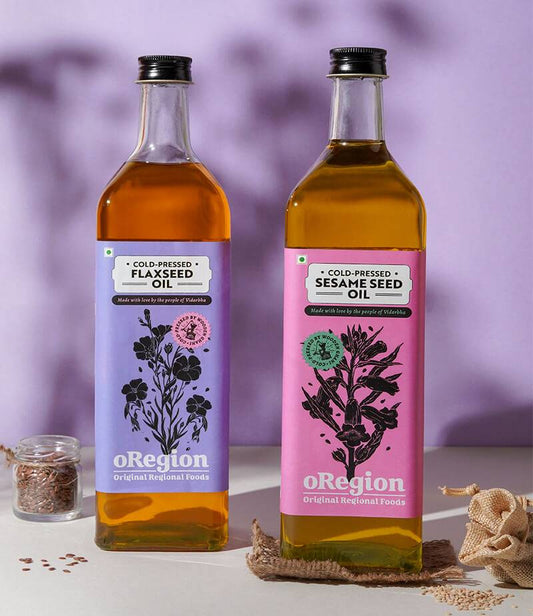
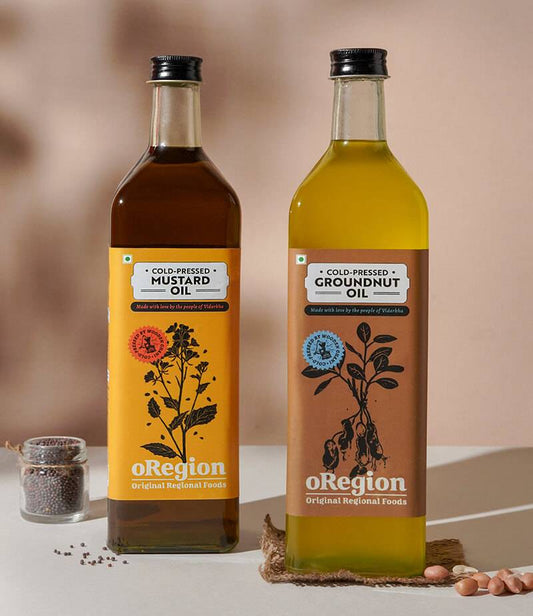
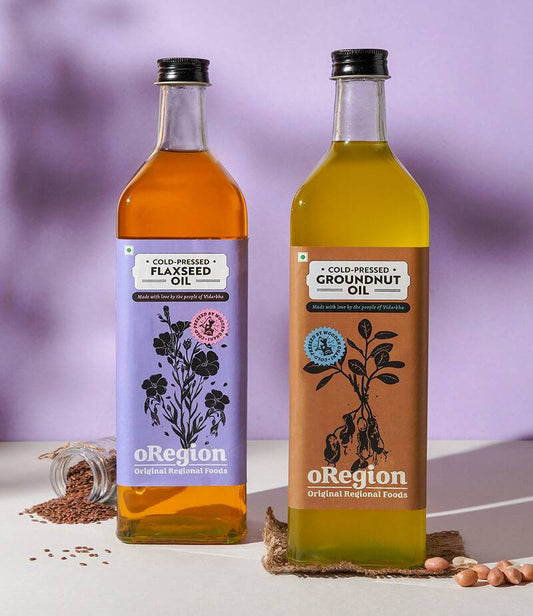
At the same time, a quiet shift is happening; Indian households are rediscovering the power of Cold Pressed Oil, flaxseed oil, mustard oil, and groundnut oil. This is not just a trend; it is a movement toward self-reliance, better health, and smarter consumption.
Understanding India’s Growing Dependence on Imported Oils
How Much Oil Does India Actually Import?
India’s dependence on imported oil is not just high, it is structurally embedded in the economy. As of recent estimates, India imports nearly 88.3% of its crude oil requirements and approximately 55–60% of its edible oil consumption. This places India among the most oil-dependent large economies globally.
This dependence goes far beyond fuel. It directly shapes:
-
Food security – since edible oils are a staple in Indian diets
-
Household expenses – rising oil prices immediately increase monthly budgets
-
Cooking habits – families shift oils based on price and availability
-
Health choices – cheaper refined oils often replace healthier options
When global markets fluctuate, the impact is immediate. A spike in crude oil prices increases logistics costs, which then raises the price of flaxseed oil, cold pressed mustard oil, and even everyday staples like groundnut oil.
For example, when international supply tightens, the flaxseed oil price and Cold Pressed Mustard Oil price often increase due to rising transportation and processing costs. This ripple effect makes households rethink what oil they use daily.
Why This Was Not a Big Concern Earlier
A decade ago, India’s oil dependency did not feel like a crisis. The global oil ecosystem was relatively stable, with predictable supply chains and manageable price fluctuations.
Even when disruptions occurred, whether due to geopolitical tensions or natural disasters, they were:
-
Short-term
-
Region-specific
-
Quickly corrected by global markets
As a result, India could rely on imports without worrying about long-term consequences.
The Shift from Trade Issue to National Concern
Today, the situation has fundamentally changed. Oil dependency is no longer just a trade imbalance; it has become a multi-dimensional national concern.
It now represents:
-
A strategic vulnerability – supply routes can be disrupted at any time
-
A health concern – reliance on cheap imported refined oils affects nutrition
-
A lifestyle shift trigger – families are forced to change their cooking habits
This shift is clearly visible in urban and semi-urban India, where people are consciously moving toward cold pressed oil, wood pressed oil, and virgin flaxseed oil.
Choosing these oils today is not just about health; it is also about reducing dependence on volatile global markets and supporting local ecosystems.
Escalating Global Conflicts Are Changing Oil Stability
West Asia Tensions and Their Direct Impact on India
A large portion of India’s crude oil imports passes through geopolitically sensitive regions, especially West Asia. Key maritime routes like the Strait of Hormuz act as lifelines for India’s energy supply.
However, rising tensions in this region have made these routes increasingly unstable.
Even a minor disruption can:
-
Delay shipments
-
Increase insurance costs for cargo
-
Spike global oil prices overnight
Why This Matters for Indian Households
You may not track global conflicts daily, but their impact reaches your kitchen quickly.
Here’s how:
-
Transportation costs increase, raising the prices of all goods
-
Cold pressed oil price rises due to higher logistics expenses
-
Imported edible oils become scarce or expensive
This creates uncertainty, making households more cautious about their oil choices.
The Hidden Effect on Everyday Cooking
This instability is quietly changing Indian kitchens.
Families are shifting toward:
-
Locally produced oils
-
Traditional staples like Sarso Tel (mustard oil)
-
Reliable options such as groundnut oil
This is not just a trend, it’s a practical response to global uncertainty.
Black Sea Disruptions and Edible Oil Supply
Countries like Ukraine have historically been among the largest exporters of sunflower oil, which India heavily depends on.
However, geopolitical disruptions in the Black Sea region have significantly reduced supply.
What Happens When Supply Gets Disrupted? A Deep Dive into India’s Oil Vulnerability
When a major global oil supplier is affected, whether due to war, sanctions, or climate disruptions, the consequences are immediate and far-reaching. For a country like India, which relies heavily on imports, even a small disruption can trigger a chain reaction across the entire economy.
Sudden Supply Shock and Market Panic
The first and most visible impact is a sharp drop in availability. When supply reduces:
-
Import volumes shrink
-
Inventories start depleting
-
Governments and companies begin stockpiling
This often leads to panic buying at a global level, which further worsens the situation. Countries start competing for the limited supply, pushing prices even higher.
Rapid Price Escalation Across Oil Categories
As supply tightens, prices surge, not just for crude oil, but also for edible oils.
This is when consumers begin to notice:
-
A sudden increase in flaxseed oil price
-
Rising cold pressed mustard oil price
-
Fluctuations in groundnut oil price
The price rise is not always linear; it can spike sharply within weeks, making it difficult for households to plan their expenses.
India’s Shift Toward Alternative Oils
When imports become uncertain, India is forced to explore alternatives quickly.
This leads to increased demand for:
-
Cold pressed mustard oil – known for its strong flavor and traditional use
-
Groundnut oil – widely trusted for frying and cooking
-
Flaxseed oil (Alsi Tel) – gaining attention as a vegan omega 3 oil
This transition is not just about availability; it also introduces consumers to healthier and locally sustainable options.
Long-Term Consumer Behavior Shift
Over time, repeated disruptions reshape consumer habits.
Families begin to:
-
Prefer locally produced oils
-
Choose cold pressed oil over refined oil
-
Explore flaxseed and flaxseed oil for daily nutrition
This gradual shift marks the beginning of a structural change in India’s edible oil consumption pattern.
Sanctions and Trade Limitations: A New Global Oil Reality
Global trade is no longer as open and predictable as it once was. Economic sanctions, political tensions, and strategic alliances are reshaping how oil flows across borders.
How Sanctions Disrupt Oil Supply Chains
Sanctions can:
-
Restrict exports from key oil-producing nations
-
Increase transportation costs due to rerouted shipping
-
Create uncertainty in long-term contracts
As countries realign their trade strategies, supply chains become longer, more complex, and less reliable.
Why India Needs a Strong Backup Strategy
India’s current oil model, heavily dependent on imports, is no longer sustainable in this environment.
The country can no longer rely entirely on:
-
Discounted crude oil deals
-
Stable long-term foreign contracts
-
Imported refined edible oils
Instead, the focus must shift toward self-sufficiency and resilience.
The Role of Domestic Oilseed Production
To reduce dependency, India must strengthen its own agricultural base.
This includes:
-
Expanding oilseed cultivation
-
Promoting crops like the flax crop
-
Encouraging farmers to diversify beyond traditional grains
The flax crop, in particular, holds immense potential due to its dual benefits—nutritional value and adaptability to Indian conditions.
Encouraging Consumption of Flaxseed and Flaxseed Oil
Alongside production, consumption patterns must also evolve.
Promoting flaxseed oil and alsi seeds oil can:
-
Reduce import pressure
-
Improve public health through omega 3 fatty acids
-
Offer a sustainable, plant-based alternative to fish oil
This is where vegan flaxseed oil becomes a powerful solution—combining health benefits with national economic priorities.
Economic Pressure: The Silent Impact of Oil Dependence
Inflation and Its Ripple Effect on Daily Life
Oil is not just a commodity, it is the backbone of the economy. When oil prices rise, the effects spread across every sector.
This includes:
-
Food production costs (fertilizers, irrigation, processing)
-
Transportation expenses (fuel prices directly impact logistics)
-
Packaging and delivery systems
As a result, inflation increases, and household budgets come under pressure.
Why Cooking Oils Become a Financial Concern
Among all products, cooking oils are one of the first to reflect price changes.
Imported edible oils become:
-
Unpredictable in pricing
-
Highly sensitive to global shocks
This uncertainty pushes consumers to look for stable and reliable alternatives.
Cold Pressed Oils: Stability Meets Health
This is where cold pressed oil gains importance.
Unlike heavily processed oils, cold pressed oils:
-
Are locally sourced
-
Have more stable pricing
-
Retain natural nutrients
The growing awareness of cold pressed oil benefits is not just a health trend—it is a practical response to economic uncertainty.
Read More: How to Detect Adulterated Cooking Oil
Currency Pressure and the Rising Import Burden
India pays for most of its oil imports in US dollars. As import volumes increase, the demand for foreign currency rises.
Impact on the Indian Rupee
This creates pressure on the rupee, leading to:
-
Currency depreciation
-
Higher import costs
-
Increased inflation
The Chain Reaction in Household Expenses
The effects are visible across the market:
-
Rising flax oil price
-
Increased Groundnut Oil Price
-
Higher cold pressed oil price
This encourages households to switch toward:
-
Alsi Tel (flaxseed oil)
-
Sarso Tel (mustard oil)
-
Other locally produced oils
This cycle highlights the urgent need for domestic oil solutions.
Edible Oil Supply Risks Are Increasing Globally
Biodiesel Shift: When Food Oils Become Fuel
One of the most significant global trends is the use of edible oils for biofuel production.
Countries are diverting oils like palm oil toward energy generation.
What This Means for India
-
Reduced availability of edible oils for food
-
Increased global competition
-
More volatile pricing
This directly impacts India, which already relies heavily on imports.
Read More: Why Pet Owners Tested Flaxseed Oil on Dogs
Climate Change and Crop Failures: A Growing Threat
Climate change is no longer a future risk, it is a present reality affecting agriculture worldwide.
Extreme weather conditions impact:
-
Soybean production
-
Sunflower yields
-
Overall oilseed output
Why This Impacts Indian Kitchens
India faces:
-
Reduced global supply
-
Increased prices
-
Greater dependency on imports
This is why alternatives like Cold Pressed Flaxseed Oil and groundnut cold pressed oil are becoming essential; they offer local resilience and nutritional advantages.
Shipping and Logistics Disruptions: The Invisible Bottleneck
Global supply chains are under constant stress due to:
-
Port congestion
-
Rising fuel costs
-
Geopolitical uncertainties
The Real Impact on Consumers
These disruptions lead to:
-
Delayed deliveries
-
Inconsistent supply
-
Increased costs
As a result, consumers naturally shift toward locally sourced cold pressed oils, which are:
-
Easier to access
-
More reliable
-
Less dependent on global logistics
Conclusion: A Turning Point for India’s Oil Future
India is no longer dealing with a simple import challenge; it is facing a multi-layered crisis that touches the economy, health, and national security.
But within this challenge lies a powerful opportunity.
A transformation is already underway:
-
From imported refined oils → to cold pressed oil
-
From global dependence → to local self-reliance
-
From low-nutrition choices → to omega-rich oils like flaxseed oil
By embracing:
-
Cold pressed flaxseed oil (Alsi Tel)
-
Mustard oil (Sarso Tel)
-
Groundnut oil
India can build a future that is:
-
Healthier for its people
-
More stable economically
-
Less vulnerable globally
This is no longer just about cooking; it is about making conscious choices that shape the nation’s future.
And as more households shift toward cold pressed oils and flaxseed oil, India moves one step closer to becoming truly self-reliant, sustainable, and health-focused.
Follow us for more wellness tips
👉 Buy Now on oregion.in
📸 Instagram: @oRegion.in
📘 Facebook: facebook.com/oRegionfoods
▶ YouTube: https://www.youtube.com/@oRegion_foods