








Who Should Avoid Using Flaxseed Oil and How Responsible Brands Guide the Right Consumers
By oregion foodsTrue Wellness Begins With Understanding, Not Trends
In an age where nutrition advice changes faster than social media algorithms, health-conscious individuals are often left confused rather than empowered. One day, a food is celebrated as a miracle; the next, it is quietly questioned. We believe real wellness does not come from blindly following trends, but from understanding when, how, and for whom a nutrient truly works.
At oRegion, our experience with thousands of conscious consumers across India has reinforced one fundamental truth: even the most powerful natural foods must align with individual health conditions. Cold Pressed Flaxseed Oil is one such example. Celebrated for its omega-3 content, it delivers meaningful benefits when used correctly, but it also demands responsibility, awareness, and timing.
Instead of asking whether flaxseed oil is “good” or “bad,” we guide consumers toward a far more valuable question: Is flaxseed oil right for me at this stage of my health journey? That single shift transforms wellness from guesswork into clarity.
Why the Cold Pressed Method Matters More Than Most People Realize
Flaxseed is one of the most delicate oilseeds used in human nutrition. Its value lies not in volume, but in fragile bioactive compounds that degrade rapidly under stress. Temperature, light exposure, and oxygen interaction can all trigger oxidation, leading to nutrient loss and the formation of unstable lipid byproducts.
Cold pressing preserves nutrients by design, not by chance. The controlled mechanical pressure allows oil to be released slowly from the seed matrix without disrupting its molecular integrity. This results in an oil that naturally retains:
-
Alpha-Linolenic Acid (ALA) – a plant-based omega-3
-
Natural antioxidants that slow oxidative damage
-
Lignans and phytonutrients with biological activity
-
Vitamin E and natural tocopherols
-
Anti-inflammatory compounds
From a nutritional science standpoint, this preservation is critical. Once omega-3 fats oxidize, they not only lose their benefits but may also contribute to oxidative stress in the body. This is why authentic cold pressed flaxseed oil must always be treated as a fresh, living product, not a shelf-stable commodity.
Nutrient Preservation: Minimal Speed, Zero Chemicals
What truly separates premium Cold Pressed Oils from mass-market alternatives is process discipline.
This includes:
-
Low rotational speed extraction to prevent friction-induced heat
-
Zero chemical solvents at any stage of extraction
-
No refining, bleaching, or deodorizing, which strip micronutrients
-
Natural filtration rather than aggressive industrial clarification
From a research standpoint, studies on lipid oxidation consistently show that processing speed and thermal exposure are the primary drivers of omega-3 degradation. When flaxseed oil is rushed through high-speed expellers or exposed to process heat, omega-3 oxidizes rapidly, reducing both its nutritional value and shelf life.
True nutrition cannot be rushed. Preservation happens when speed is controlled, intervention is minimal, and storage is intentional.
Is Cold Pressed Flaxseed Oil Beneficial When Used Correctly?
For many adults, cold pressed flaxseed oil can be a valuable functional food when used correctly, consistently, and in moderation. Its benefits stem primarily from its omega-3 content and associated phytonutrients.
When consumed cold and in appropriate quantities, flaxseed oil may support:
-
Cardiovascular health and lipid balance
-
Inflammatory regulation at the cellular level
-
Skin hydration and elasticity
-
Joint comfort and mobility
-
Digestive balance
-
Scalp nourishment and hair health
For individuals who do not consume fish, flaxseed oil serves as a plant-based omega-3 alternative. While the conversion of ALA to EPA and DHA in the human body is limited, regular intake still contributes meaningfully to overall fatty acid balance.
However, its potency is precisely when informed use is essential. Cold pressed flaxseed oil is not just a casual cooking oil; it is a nutritional tool that works best when matched to individual physiology.
Read More: Flaxseed Oil for Joint Pain
Who should avoid using flaxseed oil?

Flaxseed and Flaxseed Oil are often promoted as universal superfoods due to their high omega-3 fatty acid content and plant-based nutritional profile. While the benefits of flaxseed oil are well documented, scientific nutrition does not operate on absolutes. Oil from flax interacts with hormones, blood chemistry, and metabolism, which means its suitability depends heavily on individual health conditions.
Avoiding food does not mean rejecting health. In many cases, it reflects biological intelligence and self-awareness. Certain bodies, at certain stages of life, require caution, even with nutrient-rich oils like cold pressed flaxseed oil or virgin flaxseed oil.
Below, we outline situations in which flaxseed oil use should be avoided or undertaken only under professional supervision.
Importance of Cold Pressed Flaxseed Oil
Cold pressed flaxseed oil is a nutrient-dense, highly sensitive oil extracted from premium flaxseeds (alsi) using a slow, low-RPM mechanical process. This method avoids heat, chemical solvents, bleaching, and deodorization, ensuring the oil’s natural integrity remains intact.
Flaxseed is one of the richest plant sources of alpha-linolenic acid (ALA), a fragile omega-3 fatty acid that degrades rapidly under heat and oxygen exposure. Cold pressing preserves this structure by keeping extraction temperatures low.
Unlike refined flax oil, authentic cold pressed flaxseed oil prioritizes nutrition over appearance, which is why it is stored in dark glass bottles and often refrigerated. These practices are essential to protect its omega-3 potency and overall nutritional value.
Pregnancy and Breastfeeding: Hormonal Sensitivity Matters
Flaxseed oil contains naturally occurring lignans, plant compounds known to exhibit mild estrogen-like activity. During pregnancy, hormonal signaling plays a critical role in fetal development, implantation stability, and placental health. Even subtle endocrine modulation can have physiological consequences.
While small dietary exposure from whole flaxseed may be acceptable in some cases, concentrated flaxseed oil supplementation, including vegan omega 3 flaxseed oil, should only be introduced after consulting a qualified gynecologist.
During breastfeeding, the infant’s endocrine and digestive systems are still developing. Since alsi seeds oil is highly concentrated and rapidly absorbed, professional guidance ensures maternal nutrition without unintended exposure risks for the child.
Key insight: Natural does not mean neutral. Hormone-sensitive phases require individualized nutrition, not generalized trends.
Children and Infants: Developing Systems Need Precision
Children have immature digestive enzymes, developing metabolic pathways, and sensitive hormonal systems. Introducing omega 3 supplements or flax oil without medical guidance can disrupt nutritional balance rather than support it.
Unlike whole foods, cold pressed flax oil delivers isolated fat without the buffering fiber found in flaxseed. This increases absorption speed and metabolic impact. Pediatricians are best positioned to determine whether flaxseed benefits for children outweigh the risks at a specific developmental stage.
Best practice: Nutrition for children should prioritize age-appropriate foods, not concentrated oils unless clinically indicated.
Read More: How is Child Nutrition Important in Age of Packaged Food?
Bleeding Disorders and Blood-Thinning Medication
One of the most researched effects of flaxseed omega 3 fatty acids is their influence on platelet aggregation. Omega-3s can mildly reduce clotting efficiency, which is beneficial for cardiovascular health but potentially problematic for individuals with bleeding disorders.
Those with conditions such as clotting factor deficiencies, thrombocytopenia, or individuals taking anticoagulant or antiplatelet medications should avoid unsupervised flaxseed oil intake. Combining omega 3 rich oil with blood thinners may increase the risk of bruising or prolonged bleeding.
Clinical relevance: Even plant-based omega 3 oils can influence coagulation pathways.
Before Surgical Procedures: Temporary Avoidance Is Protective
Medical protocols commonly advise discontinuing omega 3 oil, including cold pressed flaxseed oil, at least 10–14 days prior to surgery. This precaution supports normal clot formation during and after surgical procedures.
The recommendation applies regardless of whether the omega 3 source is marine or plant-based. Surgery places the body in a controlled inflammatory and healing state, where predictable clotting responses are essential.
Avoidance here is temporary, not permanent and it supports recovery, not restriction.
Hormone-Sensitive Conditions: Individualized Guidance Is Essential
Flaxseed lignans interact with estrogen receptors in complex ways. Research suggests they may exert both estrogenic and anti-estrogenic effects depending on the tissue type and hormonal environment.
For individuals managing hormone-sensitive conditions, such as estrogen-responsive disorders, regular consumption of flaxseed oil benefits for female health should be evaluated by a healthcare professional.
Key principle: What supports hormonal balance in one individual may disrupt it in another.
Diabetes and Low Blood Pressure: Metabolic Monitoring Is Key
Studies indicate that flaxseed and omega 3 intake may modestly improve insulin sensitivity and reduce blood pressure. While these effects can be beneficial, they require caution for individuals already using glucose-lowering or antihypertensive medications.
Unmonitored use of vegan omega 3 flaxseed oil in such cases may contribute to:
-
Hypoglycemia
-
Dizziness
-
Fatigue
-
Blood pressure drops
Monitoring ensures benefit without imbalance.
Sensitive Digestion: Dose and Timing Matter
Because flaxseed oil contains concentrated fat without fiber, excessive intake may cause gastrointestinal discomfort, including bloating or loose stools. This is particularly relevant for individuals with sensitive digestion.
Best practices include:
-
Starting with very small doses
-
Consuming with meals
-
Gradual increase only if well tolerated
Digestive tolerance varies, and flaxseed uses should always respect individual gut response.
Why Flaxseed Oil Should Never Be Heated
One of the most critical yet overlooked facts is that flaxseed oil has a very low smoke point. Heating it destroys its omega 3 structure and accelerates lipid oxidation, forming compounds that negate its health benefits.
Correct flaxseed oil usage is non-negotiable:
-
Use only as a finishing oil
-
Add after cooking, once food cools slightly
-
Never fry, sauté, or roast
From a nutritional chemistry perspective, heating cold pressed flaxseed oil converts a health-supportive fat into an unstable one.
How Responsible Brands Protect Consumers Through Education
In a crowded wellness market, credibility is built through clarity, not exaggeration. Responsible brands emphasize:
-
Clear usage and safety warnings
-
Evidence-based dosage guidance
-
Transparent sourcing from quality Flax Crop
-
Dark glass packaging and refrigeration
-
Third-party laboratory testing
At oRegion, education is treated as part of the product itself. This consumer-first approach prioritizes long-term health outcomes over short-term trends, reinforcing trust and safety in every bottle of oRegion flaxseed oil.
Avoiding Flaxseed Oil Can Still Support Your Health
Wellness never depends on a single ingredient. If flaxseed oil is not suitable for you today, your nutrition journey does not stop, it adapts intelligently.
Other cold pressed oils offer stability and nourishment without the same sensitivities:
-
Cold pressed mustard oil as an olive oil alternative for cooking
-
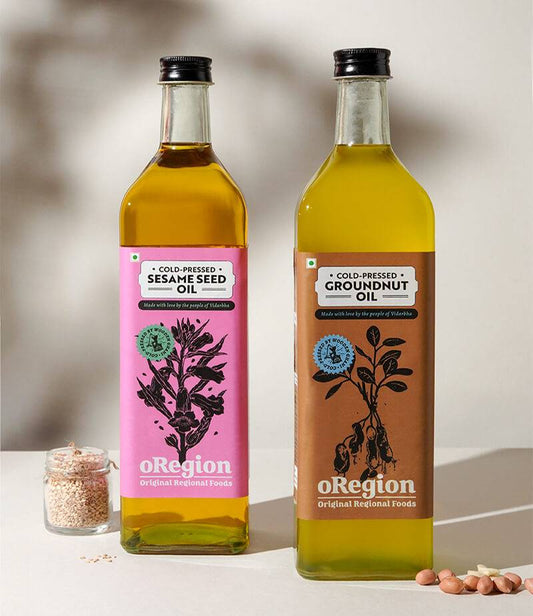
Cold pressed groundnut oil for digestive comfort
-
Cold pressed sesame oil for joint and bone support
Choosing the right oil is not about restriction. It is about alignment with your body’s needs.
Frequently Asked Questions (FAQs)
1. Who should avoid using flaxseed oil?
People who are pregnant or breastfeeding, children without pediatric advice, individuals with bleeding disorders, those on blood-thinning medications, people preparing for surgery, and individuals with hormone-sensitive conditions should avoid flaxseed oil or use it only under medical supervision.
2. Is flaxseed oil safe for daily consumption?
Flaxseed oil is generally safe for healthy adults when consumed in small amounts (1–2 teaspoons daily) and used cold. Long-term daily use should be reviewed if you have medical conditions or take medication.
3. What is the difference between flaxseed and flaxseed oil?
Flaxseed contains fiber, protein, and omega-3, while flaxseed oil contains only fat, mainly omega-3 fatty acids. Flaxseed oil is more concentrated and absorbs faster, which is why it requires more caution.
4. Can flaxseed oil be used for cooking or frying?
No. Flaxseed oil has a very low smoke point and should never be heated. Heating destroys omega-3 fatty acids and produces harmful oxidation compounds. It should only be used as a finishing oil.
5. What is the best way to use cold pressed flaxseed oil?
Cold pressed flaxseed oil should be added after cooking, mixed into salads, smoothies, yogurt, or drizzled over food once it cools slightly. Always store it in a dark glass bottle and refrigerate after opening.
6. Is flaxseed oil good for women’s health?
Flaxseed oil may support skin health, inflammation balance, and omega-3 intake for women. However, due to its lignan content, women with hormonal conditions should consult a doctor before regular use.
Read More: Flaxseed Oil Benefits for Female
7. Is flaxseed oil good for hair and skin?
Yes, flaxseed oil can help support scalp nourishment, reduce dryness, and improve skin hydration due to its omega-3 content. Benefits are best seen with consistent, moderate intake.
8. Is flaxseed oil better than fish oil for omega-3?
Flaxseed oil is a vegan omega-3 source containing ALA, while fish oil provides EPA and DHA. Flaxseed oil is suitable for vegans, but the body converts ALA to EPA/DHA in limited amounts.
9. Can people with diabetes take flaxseed oil?
Flaxseed oil may slightly lower blood sugar levels. People with diabetes should monitor glucose levels closely and consult a healthcare professional before regular use to avoid hypoglycemia.
10. What are the signs of spoiled or rancid flaxseed oil?
Rancid flaxseed oil smells bitter, sharp, or fishy. Fresh oil has a mild nutty aroma. Consuming spoiled flaxseed oil can increase oxidative stress and should be avoided.
11. How much does cold pressed flaxseed oil cost in India?
The cost of cold pressed flaxseed oil depends on seed quality, extraction method, glass packaging, testing, and refrigeration. Extremely low prices often indicate refined or blended oils.
12. Is flaxseed oil safe for children?
Flaxseed oil should not be given to children without pediatric guidance. Children’s digestive and hormonal systems are still developing, and concentrated oils require professional oversight.
13. What is the difference between cold pressed and refined flaxseed oil?
Cold pressed flaxseed oil is extracted without heat or chemicals and retains omega-3 nutrients. Refined flaxseed oil undergoes processing that reduces nutritional value and stability.
14. What can I use instead of flaxseed oil if I need to avoid it?
If flaxseed oil is not suitable, cold pressed mustard oil, sesame oil, or groundnut oil can be used depending on dietary needs and cooking requirements.
15. Which brand offers responsibly produced cold pressed flaxseed oil?
Responsible brands focus on cold pressing, dark glass packaging, refrigeration, lab testing, and consumer education. oRegion follows these practices to ensure safety and quality.
Conclusion: Informed Choices Are the Foundation of Real Wellness
Cold pressed flaxseed oil remains one of the richest vegan omega 3 sources available. When used correctly, stored properly, and matched to the right individual, it can meaningfully support cardiovascular health, skin vitality, and inflammatory balance.
At the same time, true wellness also means knowing when to pause, replace, or redirect. Avoiding flaxseed oil under certain conditions is not a setback, it is a sign of nutritional maturity.
We believe nutrition works best when guided by science, transparency, and personal relevance, not assumptions. When health decisions are informed, every choice, whether inclusion or avoidance, moves you forward.
Follow us for more wellness tips
👉 Buy Now on oregion.in
📸 Instagram: @oRegion.in
📘 Facebook: facebook.com/oRegionfoods
▶ YouTube: https://www.youtube.com/@oRegion_foods