


How Traditional Healthy Fats Support Better Blood Sugar Balance and Fewer Cravings
By oregion foodsHave you ever eaten a plate of biscuits with tea or finished a bowl of white rice only to feel hungry again an hour later? Maybe you've experienced that familiar afternoon slump when your energy suddenly disappears, your concentration fades, and all you can think about is something sweet. Most of us blame stress or a busy schedule. However, one of the primary drivers behind fluctuating energy and constant cravings is unstable blood sugar levels.
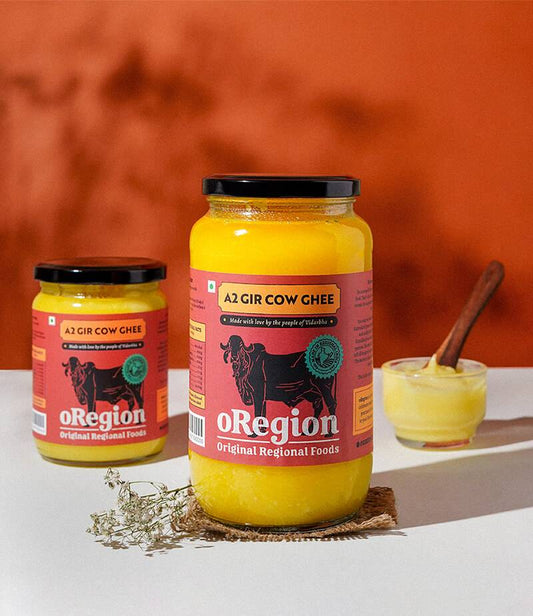
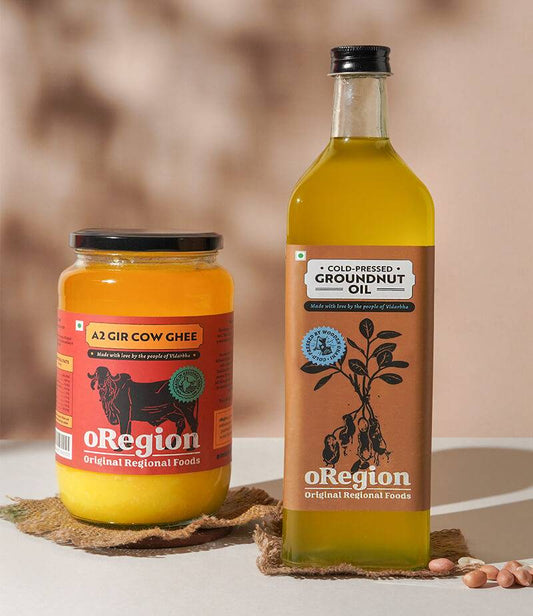
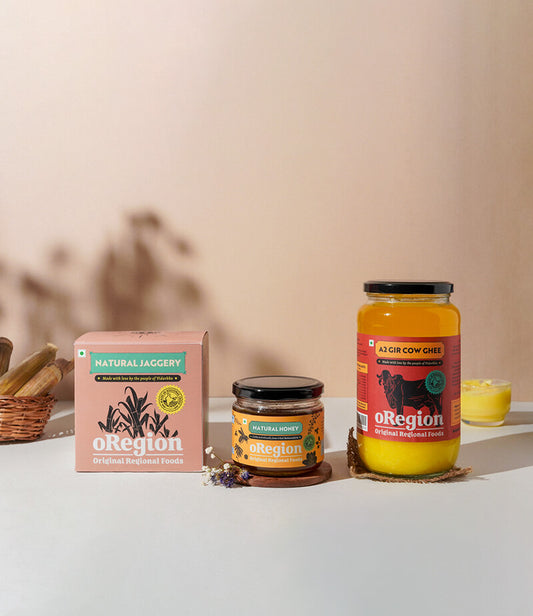
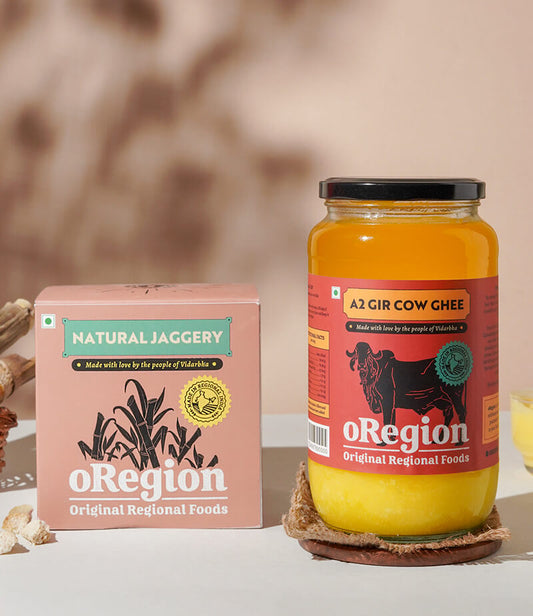
Managing blood sugar isn't simply about eliminating carbohydrates; it is about choosing the right metabolic buffers. Traditional healthy fats slow digestion, improve satiety, and provide long-lasting energy. Ingredients like an A2 Gir Cow Ghee and Groundnut Oil combo have been used in Indian kitchens for generations. Today, modern nutrition explains why these time-tested foods support overall metabolic health.
As health-conscious families move away from highly refined cooking oils, they are returning to traditional choices like cold pressed groundnut oil, Chekku Oil, and authentic a2 gir cow ghee. These ancestral fats preserve natural nutrients and fit beautifully into balanced eating patterns. By understanding the science of glucose regulation, we can leverage premium regional fats, such as oRegion Groundnut Oil and oRegion Gir Cow Ghee, to stabilize energy and stop the dopamine-driven urge for quick-energy sugar spikes.
Why Balanced Blood Sugar Matters More Than Ever for Daily Energy
Balanced blood sugar is the foundation of long-term metabolic vitality. When glucose enters the bloodstream steadily instead of in sharp spikes, the body experiences consistent energy, sharper cognitive focus, and reduced systemic inflammation.
Many believe blood sugar levels only matter if someone is managing diabetes. In reality, every single cell in the human body depends on glucose for daily fuel. The primary health concern isn't the presence of glucose, but the velocity at which it rises and falls throughout the day.
The Dynamic of the Glucose Roller Coaster
Imagine driving a vehicle. To maintain the engine's health, you want a steady, reliable fuel supply rather than constantly flooring the accelerator and slamming on the brakes. Large spikes and subsequent crashes create metabolic stress across nearly every organ system.
Modern eating habits, characterized by refined flour, sugary beverages, and industrial refined seed oils, keep the body on a continuous roller coaster. These foods digest rapidly, flooding the bloodstream with glucose. The pancreas then releases large amounts of insulin to clear the excess sugar, leading to a temporary energy burst followed by a drastic crash.
Key Daily Benefits of Glycemic Control
-
Sustained Energy: Eliminates mid-afternoon fatigue and reduces dependence on quick-energy snacks.
-
Cognitive Clarity: Provides a steady supply of fuel to the brain, improving memory, focus, and decision-making while eliminating brain fog.
-
Reduced Oxidative Stress: Minimizes frequent glucose spikes that trigger inflammatory pathways within the body.
How Blood Sugar Fluctuations Trigger Hunger and Sugar Cravings
Giving in to intense cravings isn't a failure of willpower; it is a direct physiological response to a biological alarm system.
[High-Glycemic Carb Consumption] ➔ [Rapid Glucose Spike] ➔ [Excess Insulin Release] ➔ [Blood Sugar Crash] ➔ [Brain Alarm & Stress Response] ➔ [Intense Sugar Cravings]
When a meal consists primarily of simple carbohydrates, glucose levels elevate rapidly. In response to this sudden spike, the pancreas secretes a surge of insulin to move sugar out of the blood and into the cells. When the insulin response is overly aggressive, blood sugar falls too low, a state known as reactive hypoglycemia.
During a blood sugar crash, you experience shakiness, irritability, and sudden fatigue. Because the brain relies almost exclusively on glucose for immediate fuel, it perceives this rapid drop as an energy crisis. Survival mechanisms activate: the stress hormone cortisol rises, and the dopamine reward system drives intense cravings for fast-acting carbohydrates like chocolate, sweet tea, or white bread. Eating these refined foods restarts the same vicious cycle.
Understanding the Role of Healthy Fats in Blood Sugar Regulation
One of the most persistent nutrition myths was that all dietary fats are inherently unhealthy. Modern metabolic science highlights that fat quality and source matter far more than quantity. Minimally processed traditional fats act as a natural mechanical and chemical buffer during digestion.
The Mechanism of Slower Gastric Emptying
Fat takes significantly longer to digest than carbohydrates or proteins. When you pair a carbohydrate with a high-quality fat, it delays the stomach's emptying rate. As a result, glucose enters the bloodstream gradually rather than all at once, smoothing out post-meal blood sugar peaks. Adding a teaspoon of A2 Bilona Ghee to a dal or utilizing wood pressed groundnut oil for a vegetable sauté naturally lowers the overall glycemic impact of grain-heavy meals like rotis or chillas.
Activation of Satiety Hormones
Dietary fats directly stimulate the release of key peptide hormones in the gut that signal fullness to the brain:
-
CCK (Cholecystokinin): Turns off the "hunger switch" and reduces the urge to seek out quick-energy sugary snacks.
-
GLP-1 (Glucagon-Like Peptide-1): Delays gastric emptying and improves how your cells respond to insulin, optimizing blood glucose management.
Furthermore, healthy fats are essential for nutrient absorption. Essential fat-soluble vitamins (A, D, E, and K) require a lipid matrix to be efficiently absorbed by the small intestine. Using a pure fat source ensures these metabolic micro-elements are properly utilized by the body.
Why Unrefined, Traditional Oils Are Making a Major Comeback
Supermarket shelves are filled with highly processed cooking oils claiming to be "light" or "cholesterol-free." Yet, consumers are increasingly rejecting these heavily processed, chemical-laden refined oils in favor of pure, nutrient-dense fats.
Industrial refining involves extreme heat, high-pressure filtration, synthetic bleaches, and harmful chemical solvents like hexane. This aggressive processing strips away natural micro-elements and alters the oil's molecular integrity. Conversely, traditional extraction methods focus purely on mechanical pressure to retain what nature provides.
Cold Pressed vs. Refined Industrial Oils
|
Feature / Metric |
Wood Pressed / Cold Pressed Oil (Chekku Oil) |
Heavily Refined Industrial Oils |
|
Extraction Process |
Mechanical pressure at low temperatures (kachi ghani) |
High-heat processing, chemical solvent extraction |
|
Nutrient Profile |
High retention of natural Vitamin E, antioxidants, and sterols |
Natural compounds stripped during deodorization and bleaching |
|
Chemical Additives |
Completely zero chemical interventions or preservatives |
Contains residues of refining agents and stabilizers |
|
Flavor Profile |
Rich, authentic, and naturally aromatic |
Neutral, homogenized, and chemically deodorized |
The Metabolic Advantages of Wood Pressed Cold Pressed Groundnut Oil
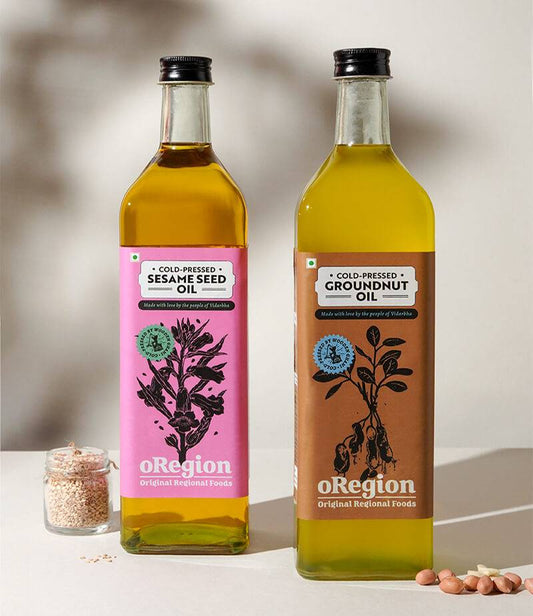
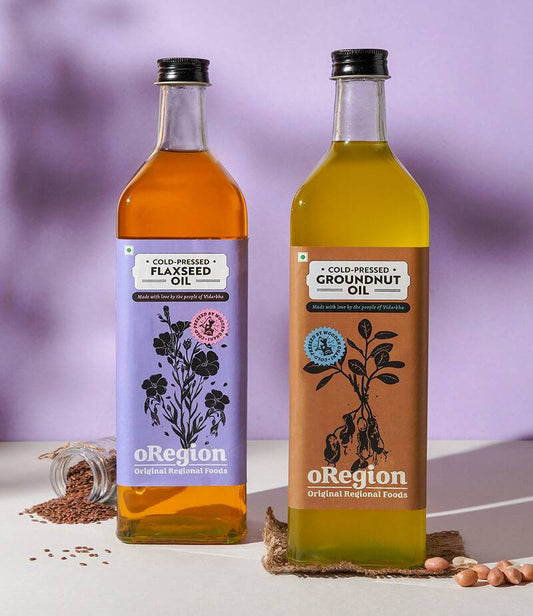
Groundnuts have been a staple of traditional Indian agriculture for centuries. When processed through stone or wooden ghanis, they yield an oil that naturally supports metabolic balance and stands up perfectly to regional cooking methods.
Why Use Kachi Ghani Groundnut Oil for High-Heat Cooking?
Daily Indian cooking involves high-temperature methods like tempering (tadkas), sautéing, and stir-frying. Cold pressed groundnut oil for cooking is uniquely suited for this because it contains a high proportion of monounsaturated fatty acids (MUFAs), primarily stable oleic acid. Unlike fragile polyunsaturated oils, best wood pressed groundnut oil maintains its chemical structure under normal cooking heat without breaking down into inflammatory free radicals.
The Specific Health Advantages of Groundnut Oil
Integrating organic cold pressed groundnut oil into your daily meals offers distinct groundnut oil benefits for glucose control:
-
Improves Insulin Sensitivity: Meta-analyses show that replacing refined carbohydrates or trans fats with healthy MUFAs enhances how cell membranes respond to insulin.
-
Lowers Glycemic Load: Coating grains and vegetables in best cold pressed groundnut oil slows down starch breakdown, preventing sudden post-meal insulin spikes.
-
Provides Natural Antioxidants: Rich in native Vitamin E, which helps combat the oxidative stress caused by historical glucose fluctuations.
A2 Gir Cow Ghee: The Traditional Ayurvedic Superfood for Modern Living
In the traditional wellness framework, pure cow ghee is considered a premium therapeutic food rather than a simple cooking medium. However, the metabolic impact of ghee depends entirely on the milk source and the extraction method.
What is A2 Bilona Ghee and How is It Made?
Authentic A2 Gir cow bilona ghee is produced through an intensive, multi-step ancestral process. It begins with milk obtained exclusively from indigenous Gir cows, which naturally contain the A2 beta-casein protein. The milk is boiled, naturally cultured into whole curd, and then hand-churned using a wooden paddle (Bilona ghee technique). The resulting butter is slowly simmered over a gentle fire to separate the milk solids.
This traditional process preserves short-chain fatty acids, most notably butyric acid. Butyric acid provides direct energy to the cells lining the colon, reducing low-grade gut inflammation. Because gut inflammation is a primary driver of insulin resistance, consuming pure gir cow ghee directly assists overall metabolic resilience.
Blending Ghee into Carbohydrate-Rich Meals
Traditional culinary practices rarely served plain carbohydrates. Brushing desi gir cow ghee over a warm jowar roti or adding a teaspoon to a steaming bowl of dal creates a physical barrier that slows down enzymatic starch breakdown. When searching for the best ghee in India, focusing on traditional sourcing and checking the gir cow ghee price against authentic production transparency ensures you are getting a clean, unadulterated product.
Discovering oRegion: Sourced-at-Source Purity
Quality begins with geographic authenticity. The brand oRegion operates on a simple philosophy: source premium ingredients directly from the specific Indian micro-regions where they naturally thrive, preserving their purity through minimal processing.
Instead of relying on anonymous global supply chains that mix lower-grade crops, oRegion Groundnut Oil and oRegion Gir Cow Ghee prioritize transparency, regional integrity, and zero chemical blending.
The Innovation of oRegion Betel Leaf Ghee
Taking traditional wisdom a step further, Betel Leaf oRegion introduces a highly distinctive metabolic food: oRegion Betel Leaf Ghee. By infusing fresh, antioxidant-rich betel leaves into pure A2 Cow Bilona Ghee, they create an aromatic finishing fat.
Betel leaves are celebrated in ancestral Indian culture for their natural digestive properties and ability to stimulate carminative enzymes. When drizzled over warm khichdi or millet flatbreads, this unique infusion optimizes post-meal digestion and further smooths out glucose spikes.
The Ultimate Synergy: The A2 Gir Cow Ghee and Groundnut Oil Combo
No single ingredient provides a total solution for metabolic health. Lasting vitality relies on dietary variety and consistency. For this reason, modern nutritionists recommend utilizing an A2 Gir Cow Ghee and Groundnut Oil combo to fulfill distinct culinary roles in the kitchen.
-
For High-Heat Cooking: Use oRegion Groundnut Oil as your foundational cooking medium for daily sautéing, frying, and main-course preparation. Its high MUFA content provides thermal stability and heart-healthy fats.
-
For Meal Finishing: Reserve oRegion Gir Cow Ghee or the Betel Leaf Ghee as a raw finishing element. Drizzle it directly onto hot foods just before serving to maximize its short-chain fatty acids, delicate vitamins, and aromatic qualities.
By selecting a combined lifestyle bundle, you cover your entire spectrum of fatty acid needs while keeping grocery investments balanced against the prevailing price of gir cow ghee and premium cold-pressed options.
How to Build Blood Sugar-Friendly Meals: Practical Kitchen Swaps
Shifting your glycemic health does not require restrictive or unpalatable diets. Practical, everyday kitchen swaps allow you to enjoy regional palates while stabilizing daily energy.
Breakfast Swaps
Replace fast-digesting, high-glycemic items like sweetened white-flour breads or instant packaged cereals with nutrient-dense alternatives.
-
The Swap: Opt for a savory moong dal chilla, vegetable-loaded poha, or oats upma. Sauté the base using kachi ghani groundnut oil and finish with a light brush of Pure A2 Ghee. The combination of lentil protein, vegetable fiber, and traditional fats keeps you full until lunch.
Lunch Swaps
Modify the typical heavy portions of refined white rice or plain wheat flatbreads which cause rapid post-meal lethargy.
-
The Swap: Divide your plate using the Diabetes Plate Method: half non-starchy vegetables (like okra, cabbage, or bottle gourd), one-quarter lean protein (dal, paneer, sprouts), and one-quarter complex grains (Jowar, Bajra, or hand-pounded brown rice). Cook the vegetables in groundnut cold pressed oil and top your millet rotis with a teaspoon of A2 Cow Ghee.
Dinner Swaps
Keep the final meal of the day light, nourishing, and supportive of overnight glucose stability.
-
The Swap: Prepare a mixed vegetable dal or a light paneer curry using Ground Nut Oil for Cooking. Temper the dish at the very end with a small spoonful of oRegion Betel Leaf Ghee to ease nocturnal digestion and prevent late-night sugar cravings.
Common Mistakes to Avoid When Managing Blood Sugar with Healthy Fats
To get the best metabolic results from premium fats, avoid these frequent dietary pitfalls:
-
Treating Fats as an Add-On Rather Than a Replacement: Adding organic A2 cow ghee to a diet that remains full of refined sugars and ultra-processed snacks will not lower blood sugar. Healthy fats must replace empty calories and industrial trans fats within your current energy allowance.
-
Improper Heat Management: While best groundnut oil for cooking is thermally stable, no oil should be repeatedly reheated or allowed to smoke heavily. Overheating destroys delicate antioxidants and creates inflammatory compounds.
-
Ignoring Product Sourcing: Many mass-produced products use industrial shortcuts while carrying clean labels. Always look into the specific sourcing and processing methods of your chosen brand. Genuine A2 Gir Cow Ghee Price metrics reflect the care, time, and agricultural purity required to create an unadulterated product.
Frequently Asked Questions (FAQs)
1. Why should I care about blood sugar balance if I do not have diabetes?
Stable blood sugar prevents mid-afternoon energy crashes, reduces brain fog, curbs intense sugar cravings, and protects long-term cellular health by minimizing systemic inflammation.
2. How exactly do traditional cold-pressed oils limit sugar cravings?
They slow down gastric emptying, which delays carbohydrate absorption. This prevents the rapid glucose spikes and subsequent crashes that cause the brain to sound a hunger alarm for quick sugar.
3. What makes A2 Gir Cow Ghee better for digestion than commercial butter?
Authentic A2 Gir Cow Bilona Ghee contains short-chain fatty acids like butyric acid, which directly nourish the gut lining, lower metabolic inflammation, and assist in the absorption of fat-soluble vitamins.
4. Can I use groundnut oil for daily deep frying?
Yes, wood pressed groundnut oil has a high smoke point and a stable monounsaturated fat profile, making it excellent for shallow frying and deep frying without structural degradation.
5. How should I incorporate Betel Leaf Ghee into my meals?
Use oRegion Betel Leaf Ghee primarily as a finishing fat. Drizzle it over warm dals, khichdi, steaming rice, or fresh rotis right before consumption to enjoy its aromatic properties and digestive benefits.
Follow us for more wellness tips
👉 Buy Now on oregion.in
📸 Instagram: @oRegion.in
📘 Facebook: facebook.com/oRegionfoods
▶ YouTube: https://www.youtube.com/@oRegion_foods
👉 Shop Globally on Distacart & PushMyCart