








High Triglycerides? Here's How Omega-3 May Help Protect Your Heart
By oregion foodsHeart disease remains one of the leading health concerns worldwide, and high triglycerides are becoming increasingly common due to sedentary lifestyles, excessive sugar intake, processed foods, and metabolic disorders. Fortunately, research continues to highlight the role of omega-3 fatty acids in supporting cardiovascular health naturally.
Among the most effective plant-based options available today, Cold-pressed Flaxseed Oil has emerged as a valuable source of vegan omega-3, particularly for people seeking alternatives to fish oil supplements.
What Are Triglycerides and Why Are High Levels Dangerous for Your Heart?
Triglycerides are a type of fat found in your bloodstream. After you eat, your body converts excess calories into triglycerides and stores them for future energy use.
Unlike LDL and HDL cholesterol, triglycerides primarily function as stored energy.
-
Normal: Below 150 mg/dL
-
Borderline High: 150–199 mg/dL
-
High: 200–499 mg/dL
-
Very High: 500 mg/dL and above
What causes high triglycerides?
Common causes include:
-
Excess sugar consumption
-
Obesity
-
Lack of physical activity
-
Diabetes
-
Alcohol intake
-
Liver disorders
-
Refined carbohydrate consumption
What is a dangerous triglyceride level?
Levels above 500 mg/dL significantly increase the risk of pancreatitis and cardiovascular disease.
What are the symptoms of high triglycerides?
Most people experience no symptoms until complications appear, making routine blood testing essential.
How Do Omega-3 Fatty Acids Help Lower Triglycerides Naturally?
Yes, omega-3 can lower triglycerides naturally.
Omega-3 fatty acids reduce the liver's production of triglycerides while improving the body's ability to clear fat particles from circulation.
How Omega-3 Reduces Liver Fat Synthesis
The liver produces triglycerides from excess carbohydrates and sugars. Omega-3 slows this process, reducing the amount released into the bloodstream.
How Omega-3 Helps Reduce VLDL Cholesterol
VLDL particles transport triglycerides throughout the body. Lower liver production results in fewer VLDL particles and improved cardiovascular health.
The Role of Omega-3 in Improving Endothelial Function
Healthy arteries depend on a properly functioning endothelium. Omega-3 supports blood vessel flexibility and healthy circulation.
How long does omega-3 take to lower triglycerides?
Most studies show measurable improvements within 8 to 12 weeks when combined with dietary changes.
What Makes Flaxseed Oil One of the Best Plant-Based Sources of Omega-3?
Flaxseed and flaxseed oil are among nature's richest sources of Alpha-Linolenic Acid (ALA).
For vegetarians, vegans, and individuals with seafood allergies, flaxseed omega-3 fatty acids provide an excellent alternative.
What Is Alpha-Linolenic Acid (ALA)?
ALA is an essential fatty acid that the body cannot produce on its own.
What Does ALA Do Inside the Body?
ALA contributes to:
-
Healthy cholesterol levels
-
Reduced inflammation
-
Improved blood vessel function
-
Brain health support
Why ALA Is Essential for Heart Health
The heart health benefits of alpha linolenic acid include healthier lipid metabolism and reduced inflammatory activity.
Can Flaxseed Oil Lower Triglycerides and Bad Cholesterol?
Emerging evidence suggests that regular intake of Flaxseed Oil for Lowering Triglycerides may support healthier blood lipid levels.
Effects on LDL Cholesterol
ALA may help reduce oxidation of LDL cholesterol, an important factor in plaque formation.
Effects on HDL Cholesterol
Several studies indicate modest improvements in HDL levels when omega-3 intake increases.
Effects on VLDL Production
Reduced liver triglyceride production means fewer VLDL particles circulating in the bloodstream.
How Omega-3 Helps Protect Arteries From Inflammation and Plaque Build-Up
Understanding Arterial Inflammation
Chronic inflammation damages blood vessel walls and creates conditions for plaque development.
The Connection Between Inflammation and Heart Disease
Inflamed arteries attract cholesterol particles, leading to atherosclerosis progression.
Omega-3 and Plaque Stabilization
Omega-3 may help stabilize existing plaque, reducing the likelihood of rupture and blockage.
Can Omega-3 Improve Blood Pressure and Arterial Elasticity?
What Is Arterial Elasticity?
Healthy arteries expand and contract with every heartbeat.
How Omega-3 Supports Healthy Blood Pressure
Omega-3 supports blood flow and healthy endothelial function, contributing to normal blood pressure.
Why Flexible Arteries Matter for Longevity
Reduced arterial stiffness is associated with lower cardiovascular risk and healthier aging.
Flaxseed Oil vs Fish Oil: Which Omega-3 Source Is Better for Heart Health?
ALA vs EPA vs DHA Explained
-
ALA: Found in flaxseed oil.
-
EPA and DHA: Primarily found in fish oil.
Conversion of ALA into EPA and DHA
The body converts ALA into EPA and DHA in smaller amounts, but ALA itself provides health benefits.
Plant-Based Omega-3 vs Marine Omega-3
Both offer advantages depending on dietary preferences and health goals.
Which Option Works Better for High Triglycerides?
Fish oil generally delivers stronger triglyceride reduction, while vegan flaxseed oil provides a sustainable and vegetarian-friendly alternative.
Flaxseed Oil vs Fish Oil for Cholesterol
Flaxseed oil offers cholesterol support without fish odor or marine contaminants.
Cod Liver Oil vs Cold Pressed Flaxseed Oil
Cold-pressed flax oil appeals to consumers seeking plant-based nutrition.
Fish Oil Substitutes for Vegans
Flaxseed oil remains one of the most popular options globally.
Best Omega-3 Source for Seafood Allergies
For seafood allergies, flaxseed oil is often the safest choice.
Read More:- Flaxseed vs Fish Oil: Omega-3 Absorption & Purity
Who Should Choose Flaxseed Oil Instead of Fish Oil?
Vegetarians and Vegans
Ideal for individuals following plant-based diets.
People with Seafood Allergies
Provides omega-3 without allergen concerns.
Individuals Looking for Sustainable Omega-3 Sources
The environmental footprint of flax cultivation is significantly lower than that of marine harvesting.
Consumers Seeking an Olive Oil Alternative
Many consumers use flaxseed oil as an olive oil alternative in cold dishes and salads.
How to Use Flaxseed Oil Daily for Maximum Heart Benefits
How Many Spoons of Flaxseed Oil Per Day?
Typically 1 to 2 tablespoons daily.
Best Time to Take Flaxseed Oil
Morning consumption or with meals is common.
Read More: When Should You Consume Flaxseed Oil for Better Results
Should You Take It With Food or an Empty Stomach?
Taking flaxseed oil with food improves tolerance and consistency.
Can You Cook With Flaxseed Oil?
Why Flaxseed Oil Should Never Be Used for Frying
Heat destroys delicate omega-3 fatty acids.
Understanding the Smoke Point of Flaxseed Oil
Flaxseed oil has a low smoke point compared to cooking oils.
How Heat Damages Omega-3 Fatty Acids
Oxidation reduces nutritional quality.
Read More:- How to Use Cold Pressed Flaxseed Oil
Best Ways to Add Flaxseed Oil to Your Diet
Flaxseed Oil in Smoothies
Adds healthy fats without affecting flavor.
Flaxseed Oil in Yogurt
Pairs well with fruit and nuts.
Adding Flaxseed Oil to Oatmeal
A convenient breakfast upgrade.
Flaxseed Oil Salad Dressing Recipe
Combine flaxseed oil, lemon juice, herbs, and black pepper.
Using Flaxseed Oil in Chilled Soups
Works exceptionally well in gazpacho and cold vegetable soups.
How to Store Cold Pressed Flaxseed Oil Properly
Why Light and Heat Destroy Omega-3
Exposure accelerates oxidation.
Refrigeration vs Pantry Storage
Always refrigerate after opening.
Signs Your Flaxseed Oil Has Gone Rancid
A bitter or paint-like smell indicates spoilage.
Are There Any Side Effects of Flaxseed Oil?
Recommended Dosage Guidelines
Most adults tolerate 1–2 tablespoons daily.
Possible Digestive Side Effects
Occasional bloating or loose stools may occur.
Medication Interactions
People taking blood-thinning medications should consult healthcare professionals.
Who Should Speak With Their Doctor First?
Pregnant women and individuals with chronic illness should seek personalized advice.
Read More:- Flaxseed Oil for Pregnant Women
Foods and Lifestyle Changes That Work Together With Omega-3 to Lower Triglycerides
Foods That Reduce Liver Fat Production
-
Leafy greens
-
Legumes
-
Whole grains
Foods That Increase HDL Cholesterol
-
Nuts
-
Seeds
-
Avocados
Exercise Strategies for Lowering Triglycerides
At least 150 minutes of moderate activity weekly.
Sugar and Refined Carbohydrates to Avoid
Limit sugary beverages and processed snacks.
Frequently Asked Questions About Flaxseed Oil and Triglycerides
Can flaxseed oil lower triglycerides naturally?
Yes, particularly when combined with healthy dietary habits.
Is flaxseed oil as effective as fish oil?
Fish oil generally provides stronger triglyceride reduction, but flaxseed oil remains an excellent plant-based alternative.
How much flaxseed oil should I take daily?
One to two tablespoons daily is common.
Can flaxseed oil reduce blood pressure?
Research suggests potential benefits for vascular health and blood pressure support.
Is flaxseed oil safe for diabetics?
Most diabetics can safely consume it as part of a balanced diet.
Can flaxseed oil help reduce arterial inflammation?
Yes, omega-3 is associated with anti-inflammatory effects.
Does flaxseed oil help prevent heart blockage?
It supports factors linked to cardiovascular health but does not replace medical treatment.
Can I replace olive oil with flaxseed oil?
For cold dishes and salads, yes.
What is the best vegan omega-3 supplement?
Cold-pressed flaxseed oil is one of the leading options.
How long does flaxseed oil take to show results?
Visible lipid improvements often appear after 8–12 weeks.
Read More: India's oil consumption doubled As per NITI Aayog Data
Why More Heart-Conscious Consumers Are Switching to Cold-Pressed Flaxseed Oil in 2026
Consumers increasingly seek clean-label, plant-based nutrition. Rising awareness of sustainability, seafood allergies, and vegan diets has accelerated interest in omega-3-rich oil sourced from Flax Crops.
Choosing the Right Cold-Pressed Flaxseed Oil for Maximum Omega-3 Benefits
Check Extraction Method
Choose genuine cold-pressed extraction.
Check Packaging Material
Dark glass bottles provide superior protection.
Check Freshness and Shelf Life
Fresh oil delivers better nutritional value.
Look for High ALA Content
Higher ALA levels generally indicate superior omega-3 concentration.
Choose Unrefined and Chemical-Free Oils
Avoid refined and solvent-extracted products.
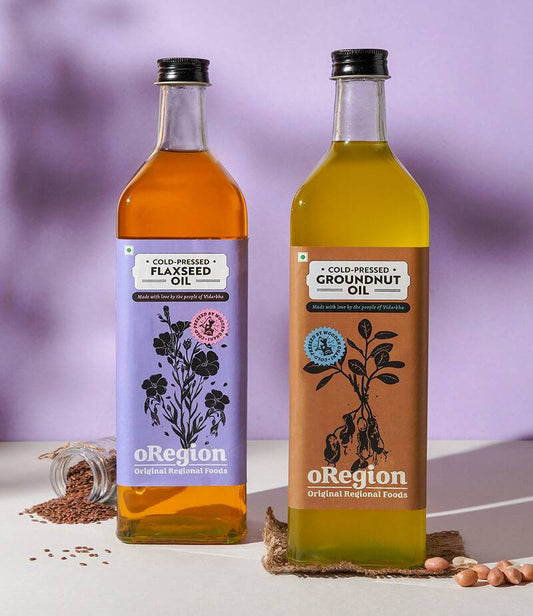
Why Many Consumers Choose oRegion Cold Pressed Flaxseed Oil for Their Daily Omega-3 Intake
Native Flax Crop Sourcing
Carefully selected flax crop sourcing supports quality and purity.
Cold Pressed Extraction Process
The oil is extracted without excessive heat, preserving natural nutrients.
Vegan Omega-3 Alternative
An ideal option for consumers seeking a reliable fish oil substitute.
Suitable for Daily Heart Wellness Support
Regular use fits naturally into a heart-conscious lifestyle focused on prevention and long-term wellness.
Final Thoughts
Managing triglycerides naturally requires more than a single supplement. Sustainable dietary habits, regular exercise, reduced sugar intake, and consistent omega-3 consumption work together to support healthier cardiovascular outcomes.
For consumers seeking a practical and plant-based strategy, cold pressed flaxseed oil offers an accessible source of omega-3 that fits modern lifestyles while supporting long-term heart health.
Take control of your cardiovascular journey today. Explore the pure, nutrient-dense power of oRegion Cold Pressed Flaxseed Oil and give your heart the clean, plant-based protection it truly deserves.
Follow us for more wellness tips
👉 Buy Now on oregion.in
📸 Instagram: @oRegion.in
📘 Facebook: facebook.com/oRegionfoods
▶ YouTube: https://www.youtube.com/@oRegion_foods
👉 Shop Globally on Distacart & PushMyCart