


Does Cold Pressed Oil Lose Nutrition When Heated? A Complete Guide
By oregion foodsIntroduction
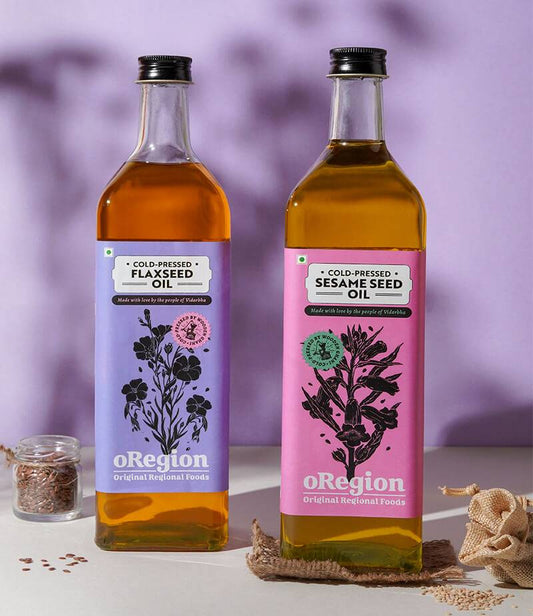
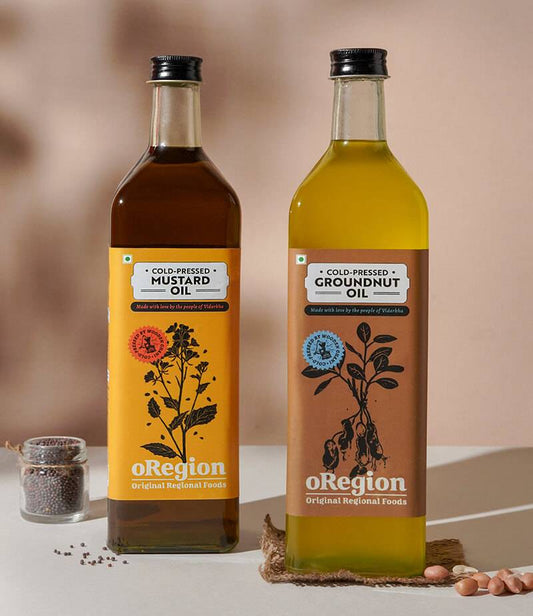
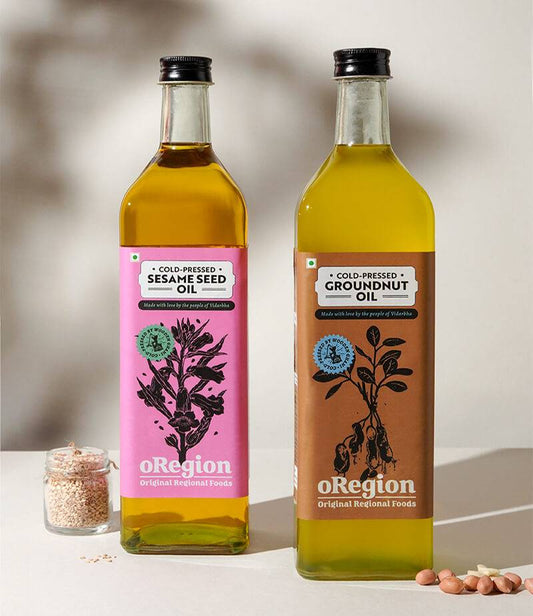
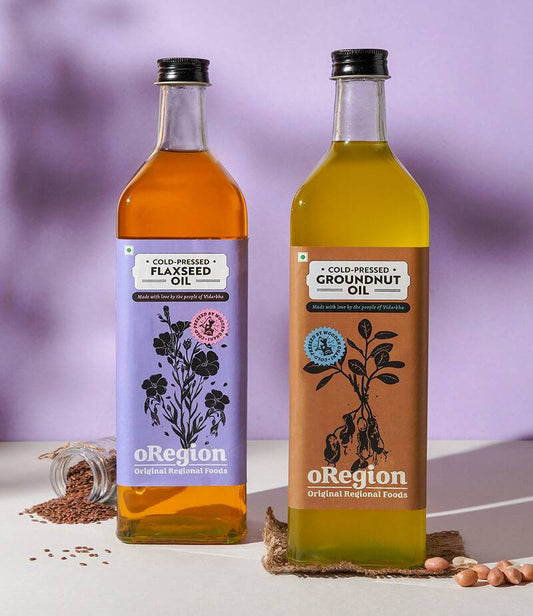
With increasing awareness about heart-healthy, natural cooking oils, many households are shifting from refined oils to cold-pressed options. Oils such as cold pressed flaxseed oil, Cold Pressed Mustard Oil, cold pressed groundnut oil, and cold pressed sesame oil are becoming popular for their purity and nutrient-rich profile.
But a common question still concerns many:
Does heating Cold Pressed Oil reduce its nutrition?
This complete guide by oRegion explains everything you need to know about the benefits of cold pressed oils, their heat stability, smoke points, and how to use them effectively in everyday cooking.
What Happens When We Heat Oil? – A Simple Guide for Everyday Cooking
When we heat any cooking oil, it goes through several changes. These changes affect the oil’s nutrition, taste, and safety. Knowing this helps you choose the right cold-pressed oil for each dish—whether you are sautéing, frying, or tempering.
1. What Really Happens When Oil Heats Up? (The Mechanism Explained Simply)
a) Different Fats React Differently to Heat
Every oil is made of three main types of fats:
-
Polyunsaturated fats (PUFAs) – Very delicate, break down easily
-
Monounsaturated fats (MUFAs) – More stable, good for cooking
-
Saturated fats – Very strong, stay stable even at high heat
When you heat oil:
-
PUFAs break down first
-
They lose nutrients quickly
-
They produce unwanted compounds when overheated
-
Example: Flaxseed oil breaks down easily because it is high in PUFA.
-
MUFAs handle heat better
-
Oils like mustard and groundnut stay stable and safe for cooking.
-
Saturated fats remain steady
-
They are the most heat-resistant of all.
That’s why all oils are NOT suitable for every type of cooking.
b) Natural Nutrients Start to Reduce
Cold-pressed oils naturally contain healthy nutrients like:
-
Vitamin E
-
Antioxidants
-
Plant compounds (like sesamol in sesame oil)
But when the oil becomes too hot:
-
These nutrients break down
-
The natural aroma or flavor reduces
-
The health benefits decrease
Even a heat-stable oil loses nutrition if it is overheated or smoked.
c) Oxidation Begins (This Is the Unhealthy Part)
When oil is exposed to high heat + air, a process called oxidation starts.
This leads to:
-
Formation of free radicals
-
Development of toxic compounds (like aldehydes) when oil gets too hot
-
Increased health risks if overheated oil is consumed regularly
This is the main reason why we must choose the right oil based on how we cook.
Does Cold Pressed Oil Lose Nutrition When Heated?
Yes, Cold pressed oil can lose some nutrients when exposed to high temperatures—but how much depends on the oil’s smoke point.
Key Points to Understand
-
Smoke point affects nutrient stability. Oils with low smoke points degrade faster.
-
Heat-sensitive antioxidants and vitamins break down during high-heat cooking.
-
Oils such as mustard, groundnut, and sesame retain stability even when heated.
-
Oils like Cold Pressed Flaxseed Oil should not be used at higher temperatures .
Knowing how heat affects oils helps you choose the right cold pressed oil for cooking safely and effectively.
Smoke Point Explained
The smoke point is the temperature at which oil starts burning and losing its nutritional value.
Why Smoke Point Matters
-
Higher smoke point = better for frying or sautéing.
-
Lower smoke point = best for raw use only.
-
Most cold pressed oils fall in the moderate smoke point range.
For example:
-
Mustard oil: ~250°C
-
Groundnut oil: ~220–230°C
-
Sesame oil: ~210°C
-
Flaxseed oil: ~110°C
Choosing an oil with the right smoke point improves heat stability and prevents nutrient loss.
Nutritional Breakdown of Major Cold Pressed Oils
Heating affects various nutrients differently:
Impact on Fatty Acids and Vitamins
-
Omega-3 fatty acids (high in flaxseed oil) are extremely heat-sensitive.
-
Monounsaturated fats in mustard and Cold Pressed Groundnut Oils are heat-stable.
-
Vitamin E breaks down with prolonged heat exposure.
-
Antioxidants like sesamol in cold pressed sesame oil remain relatively stable.
Heat Stability of Key Oils
-
Cold pressed flaxseed oil: Loses Omega-3 when heated.
-
Cold pressed mustard oil: Very stable at high heat.
-
Cold pressed groundnut oil: Excellent for high-temperature cooking.
-
Cold pressed sesame oil: Performs well in medium-high heat dishes.
These properties make some oils perfect for healthy cooking oil in India, even when heated.
Which Cold Pressed Oils Can Be Heated Safely?
Safe for High-Heat Cooking
-
Cold pressed mustard oil
-
Cold pressed groundnut oil
-
Cold pressed sesame oil
Not Suitable for Heating
-
Cold pressed flaxseed oil
Recommendations
-
Always match cooking type with suitable oil.
-
Keep heat at low to medium flame for maximum nutrition.
-
Avoid deep-frying with low-smoke-point oils.
These practices help you choose the best cold pressed oil for cooking while preserving nutrients.
Benefits of Using Cold Pressed Oils (Even If Heated Moderately)
Even if heated lightly, cold pressed oils offer many advantages over refined oils:
Key Benefits
-
Higher nutrient retention than chemically refined oils.
-
Better digestion and improved heart health.
-
No exposure to artificial solvents or bleaching agents.
-
Supports anti-inflammatory and antioxidant activity.
-
Clean, natural aromas enhance food flavor.
This makes cold pressed oil a superior choice in the cold pressed oil vs refined oil debate.
How to Preserve Maximum Nutrition While Cooking
To protect the health benefits in cold pressed oils:
-
Cook on low to medium flame to avoid oxidation.
-
Avoid deep-frying with oils like flaxseed or olive oil.
-
Store oils in dark, airtight glass bottles.
-
Don’t reuse oil multiple times for frying.
-
Keep oils away from direct sunlight.
These tips help you follow the best way to cook with cold pressed oil effectively.
Best Uses of Each Cold Pressed Oil
Cold Pressed Flaxseed Oil
-
Ideal for salads, smoothies, chutneys, and raw drizzling.
-
Not suitable for frying or sautéing.
-
Excellent source of Omega-3.
Cold Pressed Mustard Oil
-
Perfect for tadka, curries, and stir-frying.
-
Provides a bold, rich aroma.
-
Naturally antimicrobial.
Cold Pressed Groundnut Oil
-
Great for deep-frying and daily cooking.
-
Neutral taste suits all types of dishes.
-
High heat stability makes it reliable.
Cold Pressed Sesame Oil
-
Ideal for Asian cooking, noodles, and pickles.
-
High antioxidant content improves flavor and longevity.
-
Adds a warm, nutty aroma to dishes.
Use this section to easily match your dish with the right oil for the highest nutrition and taste.
What Is Cold Pressed Oil?
Cold pressed oil refers to a natural extraction method where seeds or nuts are pressed mechanically without external heat, chemicals, or solvents.
Why Cold Pressed Oil Is Unique
-
Mechanical extraction ensures the oil retains its original nutrients.
-
The cold pressing process preserves antioxidants, Vitamin E, and natural aroma.
-
These oils are considered healthier than refined oils because they avoid bleaching, deodorizing, and chemical treatments.
Cold pressed oils deliver high purity and a strong nutritional profile, making them a great choice for those seeking a healthy cooking oil in India.
Types of Popular Cold Pressed Oils
Here are the most widely used cold pressed oil varieties in Indian kitchens:
1. Cold Pressed Flaxseed Oil
-
Rich in Omega-3 fatty acids.
-
Best for raw consumption; very low smoke point.
2. Cold Pressed Mustard Oil
-
Strong flavor and high monounsaturated fat.
-
Suitable for high-heat Indian cooking.
3. Cold Pressed Groundnut Oil
-
High smoke point and neutral flavor.
-
Great for frying and everyday cooking.
4. Cold Pressed Sesame Oil
-
Rich in polyphenols and antioxidants.
-
Ideal for Asian dishes and pickles.
Each oil has unique nutrients and ideal usage styles, helping you choose the best cold pressed oils for your cooking needs.
FAQs
1. Does cold pressed oil lose nutrition when heated?
Cold pressed oil may lose some nutrients when heated at very high temperatures, especially heat-sensitive compounds like Omega-3. However, oils like cold pressed mustard, groundnut, and sesame handle heat well. Matching the right oil with the right cooking method helps preserve nutrition.
2. Which cold pressed oils are best for frying?
Cold pressed mustard oil, groundnut oil, and Cold Pressed Sesame Oil are excellent for frying due to their high smoke points. They stay stable, preserve flavor, and support healthy cooking when used on medium-high heat.
3. Is cold pressed flaxseed oil safe for heating?
No. Cold pressed flaxseed oil has a low smoke point and must be consumed raw. Heating destroys its Omega-3 content and alters taste. Use it only in salads, smoothies, or chutneys.
4. Are cold pressed oils more expensive than refined oils?
Yes, because they are extracted naturally without chemicals or heat. They require more raw seeds and yield less oil. The higher cost reflects better purity, nutrition, and flavor.
5. How do I choose a high-quality cold pressed oil?
Look for oils with natural aroma, no chemicals, certifications, and clear labeling. Reputable brands like oRegion provide reliable, unrefined cold pressed oils with consistent quality.
6. Can cold pressed oils be used daily?
Absolutely. Oils like mustard, groundnut, and sesame can be used daily for cooking. They are rich in good fats, antioxidants, and nutrients that support heart health.
7. Do cold pressed oils go bad faster?
Cold pressed oils have a shorter shelf life because they are natural and unrefined. Always store them in dark, airtight bottles to maintain freshness.
8. Are cold pressed oils healthier than refined oils?
Yes. Cold pressed oils retain more nutrients, antioxidants, and natural flavors, while refined oils lose benefits due to chemical treatments and high heat processing.
9. Is cold pressed oil good for deep frying?
Yes—but only certain types like groundnut and mustard oils. They remain stable at high temperatures and do not break down quickly.
10. Why is cold pressed oil cloudy?
Cloudiness is normal and indicates purity. Cold pressed oils are not aggressively filtered or treated, so natural particles remain.
11. Can I mix different cold pressed oils?
Yes, blending oils like mustard and groundnut provides a balanced fat profile and enhances flavor. Avoid mixing oils with drastically different smoke points.
12. Does cold pressed oil taste different from refined oil?
Yes. Cold pressed oils retain natural aroma and flavor, unlike refined oils. This gives dishes a richer, more authentic taste.
Conclusion
Cold pressed oils may lose some nutrients when overheated, but many—like mustard, groundnut, and sesame—remain stable at cooking temperatures. By choosing oils based on smoke point and cooking style, you can enjoy the rich flavors and health benefits of Cold pressed oil every day.
Explore natural, nutrient-rich options from oRegion and choose the right oil for your wellness journey.
Follow us for more wellness tips
👉 Buy Now on oregion.in
📸 Instagram: @oRegion.in
📘 Facebook: facebook.com/oRegionfoods
▶ YouTube: https://www.youtube.com/@oRegion_foods